
Anti-Cancer Spices: Turmeric, Ginger & Garlic Benefits
You Know What Your Nani Was Onto
You know how your nani would swear by turmeric for every ailment? Or how your mom insists on adding extra ginger to everything in winter? They weren't just following tradition—they were onto something real. These anti-cancer spices sitting in your kitchen cabinet right now are doing more work than you probably realize.
Real talk: most of us treat our spice cabinet like it's just... decoration. We grab what we need for biryani or curry, and that's it. But turmeric, ginger, and garlic aren't just flavor—they're some of the most studied ingredients when it comes to fighting inflammation and disease. And honestly, the science backs up what our grandmothers always knew.
Why These Spices Actually Matter
Here's the thing: inflammation is at the root of basically every chronic disease. Cancer, heart disease, diabetes—they all have inflammation involved. These powerful anti-cancer spices work because they're inflammation fighters. Your body's dealing with oxidative stress every single day. Pollution in Islamabad, processed foods, stress, lack of sleep—it all adds up. These spices help your body fight back.
The research is there. Curcumin (the active compound in turmeric), gingerol (in ginger), and allicin (in garlic) have all been studied extensively. Thousands of studies. Not some fringe wellness stuff—actual peer-reviewed research showing these compounds have genuine biological effects.
But here's what gets me: we act surprised by this. We spend money on supplements and superfoods when three of the most powerful ones are probably already in our kitchens right now, costing a few rupees.
Turmeric: The Golden Standard
Turmeric is the MVP here, and it deserves its reputation.
Curcumin—that's what makes turmeric yellow and what makes it powerful—is what researchers keep coming back to. It's been shown to slow tumor growth, kill cancer cells, and prevent new ones from forming. One thing though: curcumin on its own doesn't absorb well in your gut. It needs help. Black pepper. That's the secret. Black pepper contains piperine, which increases curcumin absorption by like 2000%. That's not me exaggerating. That's the actual science.
This is why every Pakistani household adds pepper to their turmeric milk, even if they don't know why. Pure instinct. Or generations of wisdom, depending on how you look at it.
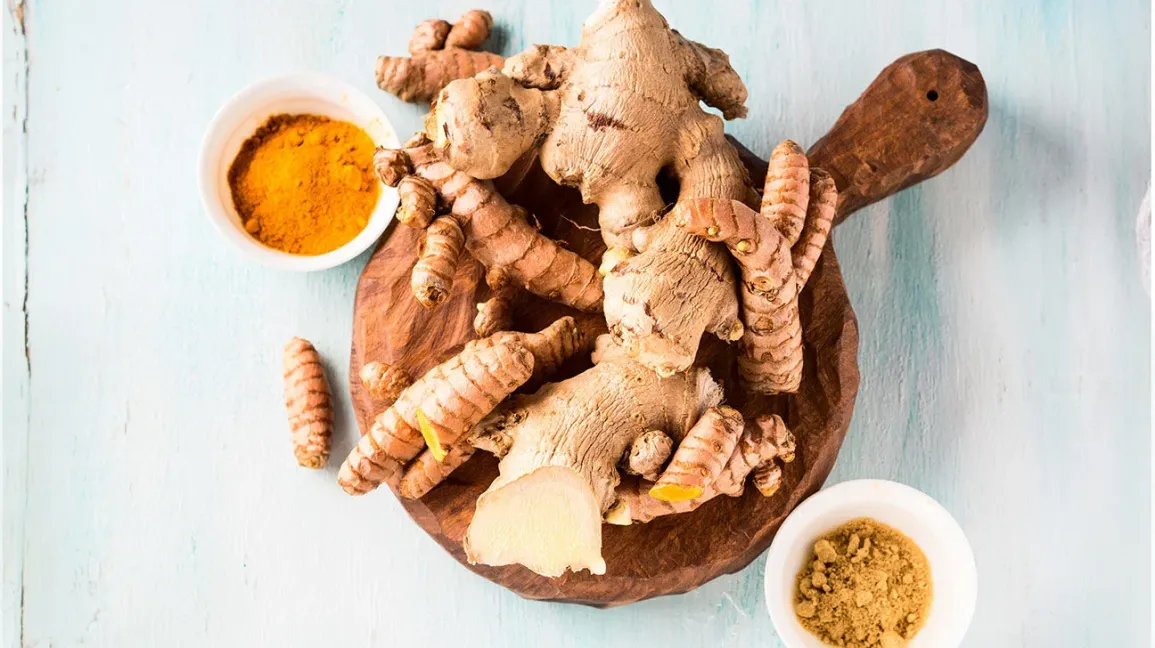
The thing about turmeric that not everyone realizes: the quality varies wildly. Some turmeric powder you get at the market is basically just color. Get the actual root if you can. Or find a reliable source for the powder. You'll taste the difference immediately.
Use it in everything. Golden milk in the morning. Scrambled eggs. Rice. Soups. Curries obviously. Daily turmeric consumption is where the real benefit is. Not a one-off "wellness shot" thing. Consistent, regular intake.
Ginger: The Warming Shield
Ginger doesn't get as much press as turmeric, but it's just as important.
Gingerol has anti-inflammatory and antioxidant properties. Research shows it can reduce nausea (which is why it works for motion sickness), improve digestion, and help fight cancer cell growth. It's especially strong against ovarian and colorectal cancer cells in lab studies.
Fresh ginger is what you want. Dried ginger has medicinal properties too, but fresh ginger root is different—it's sharper, more active, more powerful. You can tell the difference immediately when you bite into a slice of fresh ginger versus powdered.
In Pakistan, we use ginger mostly in cooking and in chai. And honestly, that's perfect. Ginger chai in winter is practically medicine. But you can also just add fresh ginger to warm water with lemon and honey. Eat the slices. Grate it into rice. Add it to soups. The point is consistency—use it regularly.
Insider tip: buy fresh ginger root, store it in the fridge (not the counter), and it lasts for weeks. Ginger chai before bed is a mood, genuinely.
Garlic: The Pungent Protector
Garlic might be the most underrated of these three.
Allicin forms when you cut or crush garlic. It's what gives garlic its smell and most of its health benefits. And it's potent. Research links regular garlic consumption to reduced cancer risk, particularly stomach and colorectal cancer. It also helps with cholesterol, blood pressure, and immune function.
Raw garlic is strongest. Cooked garlic is gentler but still beneficial. Most people cook garlic immediately, which is fine. But occasionally eating raw garlic—in salads, with bread, in yogurt-based dips—gives you the most concentrated dose of allicin.
Not everyone can handle raw garlic daily. It's pungent, it can mess with your digestion if you're not used to it, and yeah, it affects your breath. But in small amounts? Worth it. A clove in a salad. Chopped in yogurt. Minced in dips.
Using Them Daily (Without Even Trying)
The key to getting actual benefits is consistency. One turmeric shot once a month won't do anything. But turmeric in your food three times a week? Over months and years? That's real.
Add turmeric to your rice while cooking. It colors the rice beautifully and you don't even notice it's there. Add ginger to your chai. Add garlic to basically everything that needs flavor—curries, soups, rice, dals. This is already how Pakistani cooking works. You're not adding anything weird. You're just being intentional about it.
Roast whole garlic cloves and eat them like snacks. Make fresh ginger and turmeric shots if that's your thing. Whisk turmeric into your morning milk. The point is: these don't need to be supplements or special "superfoods." They're spices you're probably already using. Use them more intentionally.
And the beauty of these spices is that they taste good. They're not medicine you're choking down. They're flavor that happens to fight disease.
The Bottom Line
Your grandmother knew what she was doing. Turmeric for wounds. Ginger for digestion. Garlic for everything. Modern research just validates what's been true for centuries.
These aren't cure-alls. They're foundational ingredients for eating in a way that supports your body's natural defenses. Combined with actual medical care, a good diet, movement, and sleep, these anti-cancer spices matter.
Honestly, the more I learn about this, the more I realize we've made health too complicated. The most powerful tools are often the simplest ones. Sitting in your kitchen cabinet. Cheap. Accessible. Already part of your food.
You can get these fresh at your local vegetable market—though quality varies—or order them from FreshBox for consistency.
Start small. Add one of these to something you eat regularly. Then add another. After a few months, you'll realize you're using these spices multiple times a week without even thinking about it. That's when the real benefit starts.
This article is for general information only and is not a substitute for professional medical advice. Always consult a qualified healthcare provider about your individual health needs.
Ready to start eating healthy?
Browse our selection of fresh produce and groceries, delivered to your doorstep in minutes.
Start Shopping