
Authentic Pakistani Cooking: Real vs Instagram
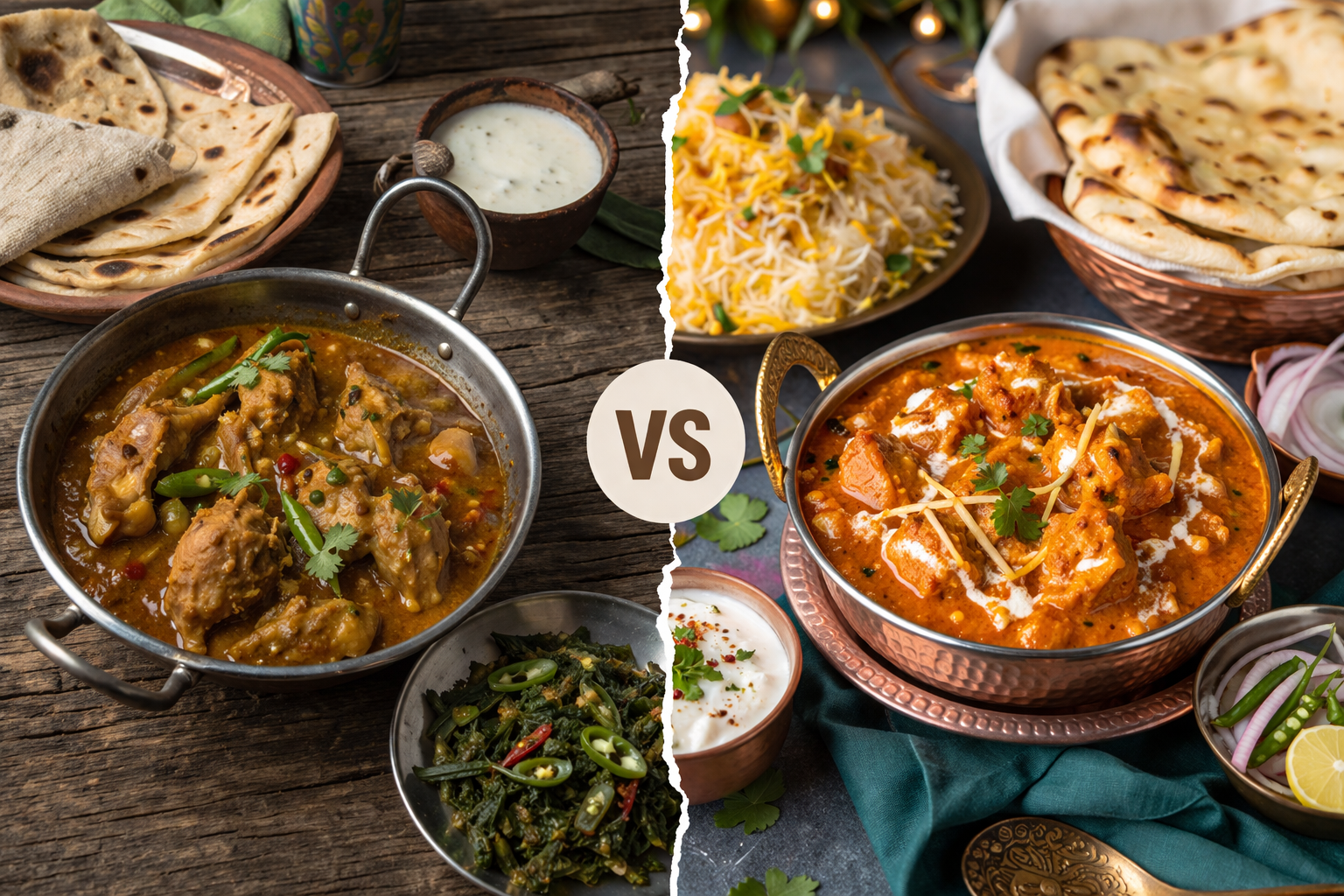
The Instagram Lie About Pakistani Kitchens
You know those flawless biryani posts where every grain is magically separate? The perfectly golden samosas with zero grease spots, just this impossible gleam? Yeah. That's not what's happening in any Islamabad kitchen I've ever been in.
And I mean that with love. Authentic Pakistani cooking isn't supposed to be perfect. It's supposed to be real — messy sometimes, chaotic, definitely delicious, and honestly, a bit unpredictable depending on which aunt's recipe you're actually following.
The thing about authentic Pakistani cooking is that it's built on improvisation and family obsession with tiny variations. Your mom makes haleem differently than her sister. Your neighbour's biryani spice ratio is a completely different animal. Someone's adds cinnamon, someone else uses cardamom instead. It's not a problem. It's the point.
What Islamabad Families Actually Cook Monday Through Friday
Here's what doesn't make it to Instagram: the weeknight daal we eat four times a week. Not fancy. Not ceremonial. Just lentils, onions, garlic, tomatoes, some turmeric, asafoetida, and whatever greens happen to be in the fridge. Twenty minutes. Done. Move on with your life.
Then there's the rotation that defines real kitchens in Rawalpindi. Daal one night, chicken karahi another. Rice somewhere in there. A vegetable curry that changes based on what was actually available at the market. Maybe some eggs if you're running late and need to get dinner on the table in fifteen minutes. It's not glamorous, but it's real.
Friday biryani? Sure, that happens. But it's not every week. It's the celebration meal. The thing you plan for, that takes up your morning. Authentic Pakistani cooking for everyday is smaller — it's about technique and timing, not ingredients that cost half your monthly budget.
Real talk: the families I know in Islamabad don't follow recipes written down anywhere. They taste as they go. They adjust the spices because they know their stove, their water pressure, their family's exact tolerance for chilli. My mother-in-law makes the same daal every single week but somehow it's never exactly the same twice. That's not inconsistency. That's authentic Pakistani cooking the way it's actually meant to happen.
The Spices That Actually Matter
Authentic Pakistani cooking isn't about having seventeen spice jars with fancy labels from specialty shops. It's about knowing what five or six spices do and understanding how to use them properly.
Turmeric. Cumin. Coriander. Fenugreek. Asafoetida. Chillies. That's basically it for weekday cooking. Everything else flows from this foundation. Different proportions. Different timing. Different combinations with ginger-garlic paste and onions cooked at different heats.
The Instagram version will tell you that you need twenty spices, all fresh from the spice market in Peshawar, ground last Tuesday. The actual reality? Families in Islamabad buy their spices from F-10 Market or just order them online now. They're already ground. They last three months in a jar. Life happens. You work, you sit in Islamabad traffic for forty minutes, you don't have time to grind spices daily.
Authentic Pakistani cooking is about working with what you have. Using good quality ghee — not because it's "traditional," but because it actually tastes completely different. Fresh garlic and ginger instead of paste if you're making something fancy. Fresh coriander because it doesn't cost anything and it genuinely matters. But also, sometimes you're in a rush and the paste version is absolutely fine. Nobody dies. The family still eats.
Why the Instagram Version Misses the Point
The polished images of authentic Pakistani cooking make it seem like a performance. Everything has to be perfect. The presentation has to photograph well. The story has to be poetic and meaningful.
But actual families cooking actual food? We're thinking about whether we have enough chicken for everyone, whether the rice will be ready at the same exact time as the curry, if the kids will actually eat this without complaining, and how much time we have before someone needs to leave for work or school or that thing they forgot to mention.
Authentic Pakistani cooking is about solving problems in real time. Your onions got burnt a bit? Add more tomatoes. You forgot the asafoetida until halfway through cooking? Okay, put it in now, it'll still be fine. The biryani didn't have enough ghee because you were trying to be healthier? That's actually better, honestly. Stop worrying.
The dishes that actually make it to the dinner table in real Islamabad homes are usually just... normal. Good, but not Instagram. Comforting. Tasting like someone who actually knows what they're doing made it, but not like a food magazine did a five-hour photoshoot with special lighting.
How to Actually Cook Authentic Pakistani Food
Stop waiting for the perfect moment or the perfect ingredients list. Start right now with what you have: onions, garlic, ginger, whatever protein you bought, and spices. That's a meal. That's authentic Pakistani cooking in action.
The second thing: taste as you cook. Don't follow a recipe to the exact gram and then taste at the end and wonder why it's not quite right. Taste after you add turmeric. Taste after you add salt. Adjust. This is how your mom cooks. This is how every home cook operates. This is how professional cooks work, too, they just won't admit it to food magazines.
Third — and this actually matters more than people admit — understand that your kitchen is completely different from someone else's kitchen. Your stove heat runs different. Your water quality is different. Your family's tolerance for chilli is different. Stop trying to make your biryani look exactly like someone else's biryani. Make your biryani. Own it.
The insider tip that nobody admits? Most home cooks in Islamabad and Rawalpindi don't meal-plan more than a day ahead. They look at what's available — maybe what came in the vegetable delivery, maybe what's on special this week at the market — and they cook around that. Authentic Pakistani cooking is flexible on purpose because it has to be.
The Real Thing is Actually Easier
Here's what's wild: authentic Pakistani cooking is often actually easier than the Instagram version. It requires less equipment. Less fussing. Less obsession with perfectionism.
You don't need special pans or special techniques or three different types of ghee. You need a good pot, a spatula, confidence, and the willingness to taste as you go. The fact that it's not perfect is not a flaw. It's a feature. It means it's real.
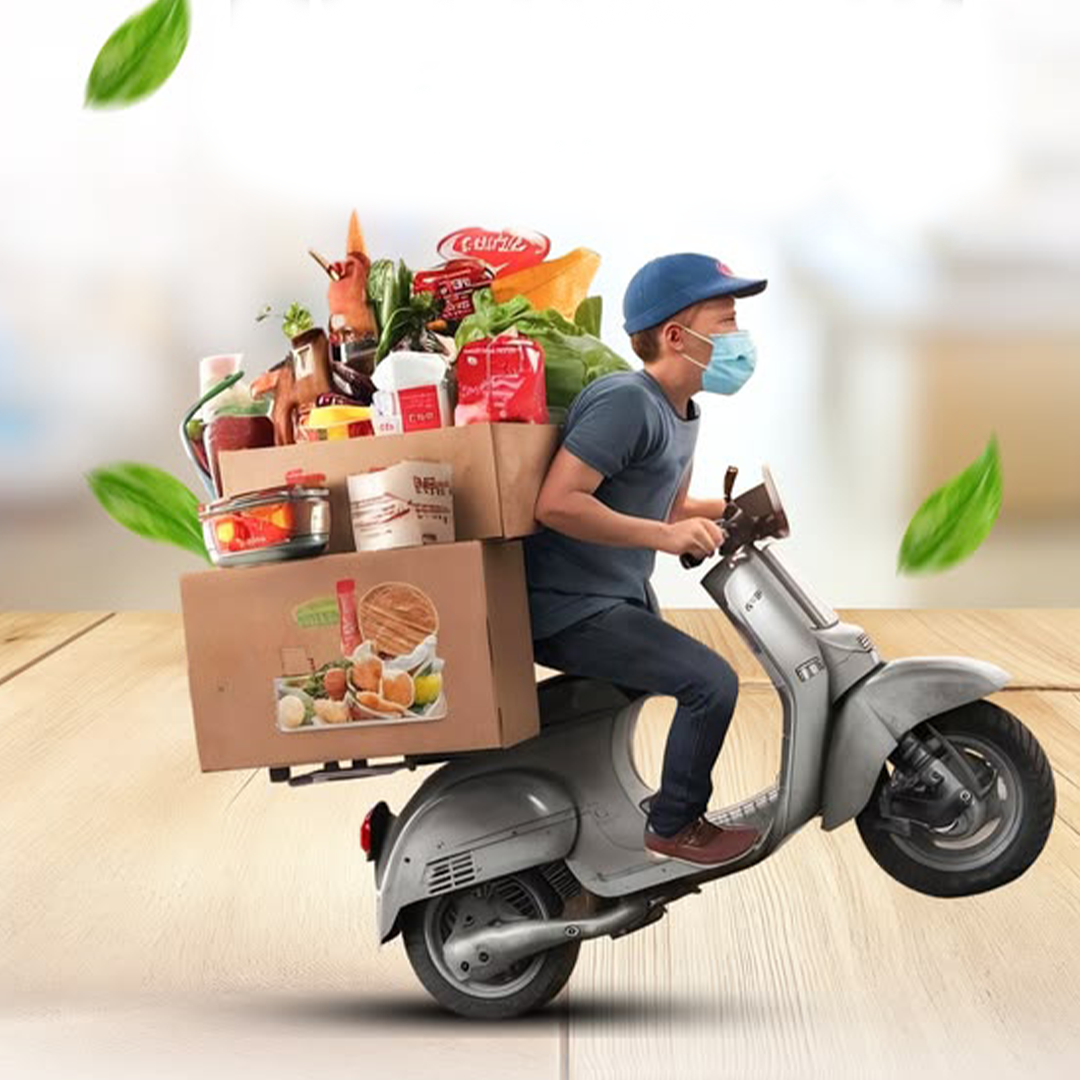
If you're looking to cook this way at home, you can get fresh vegetables, good quality spices, and everything else you need delivered — you can order these essentials from FreshBox and skip the chaos of the Sunday vegetable market entirely.
But the actual point is this: authentic Pakistani cooking isn't something that lives in a photograph or a perfectly styled story. It's something that lives in the smell of your kitchen while you're actually cooking. In your mom's irritated expression because you're standing too close asking questions. In the way your family sits down and eats without commenting because it's just good, normal food. That's the thing Instagram can never capture.
Cook without the filter. The best meals taste better when they're a little bit messy.
Ready to start eating healthy?
Browse our selection of fresh produce and groceries, delivered to your doorstep in minutes.
Start Shopping
Written by
Faisal ShehzadFaisal Shehzad writes practical, locally-grounded guides on groceries, seasonal produce, nutrition and home cooking for households across Islamabad and Rawalpindi.
View all articles →