
Bulk Grocery Shopping Pakistan: Save 15,000 Rupees Yearly
The Tight Budget That Isn't Actually About Money
Every time I walk through the vegetable market near F-10 in Islamabad with my mum, I watch the same thing happen. Families pull up with tight budgets, grab single items — a kilo of rice here, 250 grams of flour there, one bag of lentils — and somehow their money runs out faster than it should. The shopkeepers absolutely love this. They're marking up each transaction by 20-30%. But here's what nobody actually says out loud: your budget isn't tight because you're buying too much. It's tight because you're buying too often, in pieces, without any strategy.
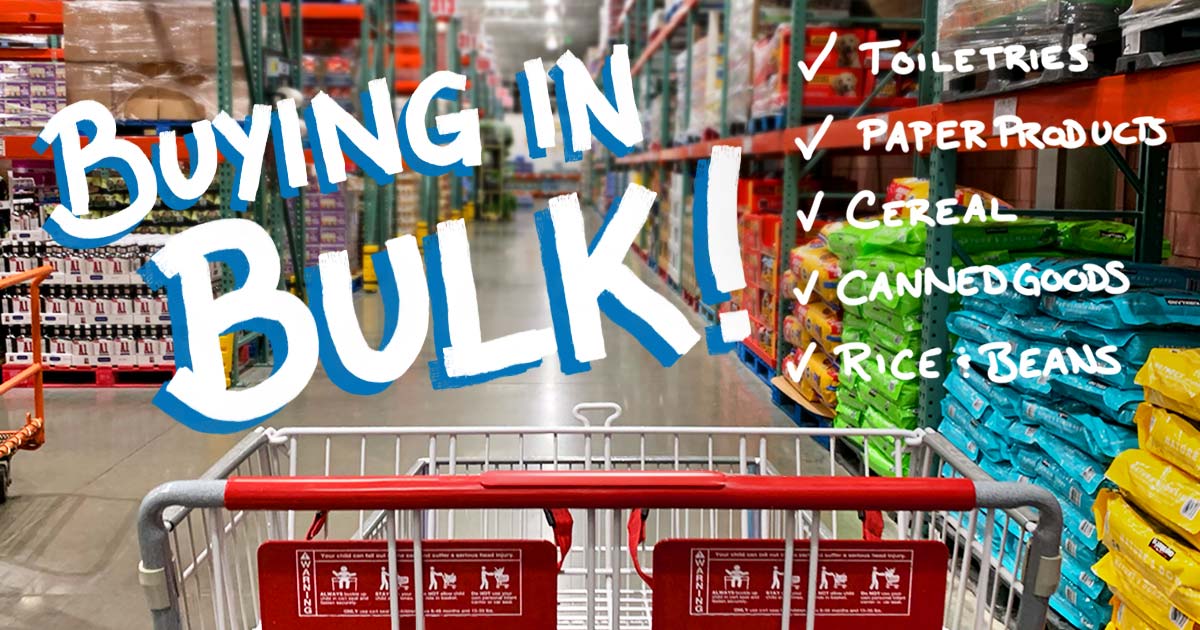
Real talk — bulk grocery shopping Pakistan is the difference between a household budget that feels suffocating and one that actually breathes. I'm not talking about hoarding months of supplies or buying 50 kilos of anything. I'm talking about being genuinely smart about quantities, understanding where your money actually goes, and breaking the exhausting cycle of constant shopping trips.
Why Small Purchases Cost Way More Than You Think
Here's the maths that retailers don't want you to understand. When you buy single items repeatedly, every transaction carries hidden overhead — the shopkeeper's profit margin, restocking labour, losses from spoilage and breakage. All of it gets added directly to the price you pay. Buy a 1kg bag of flour from a local shop versus a 10kg sack from a wholesale market, and you're genuinely paying 15-20% more per kilo. That's not an estimate. That's basic retail economics.
Look around your kitchen right now. How many half-used containers of salt do you have? How many partially empty boxes of turmeric, pepper, or cumin powder? Most Pakistani households do this routinely. You buy small packs because the big ones "feel like too much," you forget about them six months later, then you buy again because you can't find the original container. It's not lazy shopping — it's actually the more expensive habit, and it keeps you trapped in the small-purchase cycle.
Bulk grocery shopping Pakistan works precisely because the maths are simple and unforgiving. One large, smart purchase beats ten small, emotional ones every single time. Yes, the storage challenge is real. Yes, you need to think differently about your kitchen. But it's completely manageable. And the savings? They're genuinely significant.
The Hidden Tax on Convenience
Every time you pop into a shop for just one item, you're paying a convenience tax. The shopkeeper knows you'll come back every few days, so the per-unit markup stays high. You get used to paying 300 rupees for a kilo of flour, 250 for lentils, 180 for salt. Multiply those single purchases across a month, and you're genuinely spending 40-50% more than someone buying in bulk. That's not a rounding error. That's a second electricity bill's worth of money leaving your household.
How Bulk Buying Actually Changes Your Shopping Brain
Here's the psychological part that everyone misses. When you genuinely commit to bulk grocery shopping Pakistan, you automatically buy less often. And when you buy less often, you're far less likely to grab random items you don't actually need. No more standing in the queue watching things jump into your basket. No more "just one more thing." No more chaos of the Sunday market.
Bulk purchasing forces you to plan your meals. You can't wing it when you've bought 5 kilos of chickpeas. You have to actually think. You have to plan your lentil dishes, your rice-based meals, your vegetable sides and curries. That structure, that forced intention — that's where your real savings come from. It's not magic. It's just thinking before you shop instead of shopping and then hoping something comes together.
I did this myself. I used to spend around 8,000-10,000 rupees a week on random vegetable runs scattered across 4-5 trips. Once I switched to bulk shopping and planned properly, I spent 12,000 rupees every two weeks. My weekly cost dropped to 6,000 rupees. Not because I was eating less. Because I was planning actual meals instead of buying random items.
What You Actually Buy in Bulk — And What You Skip
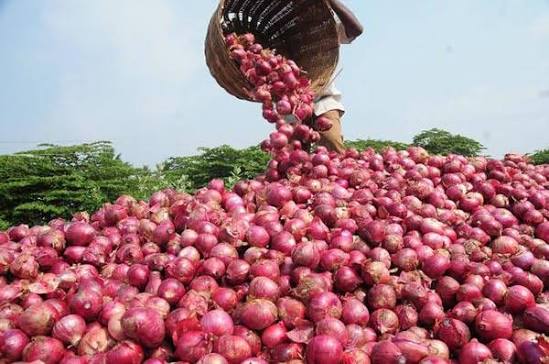
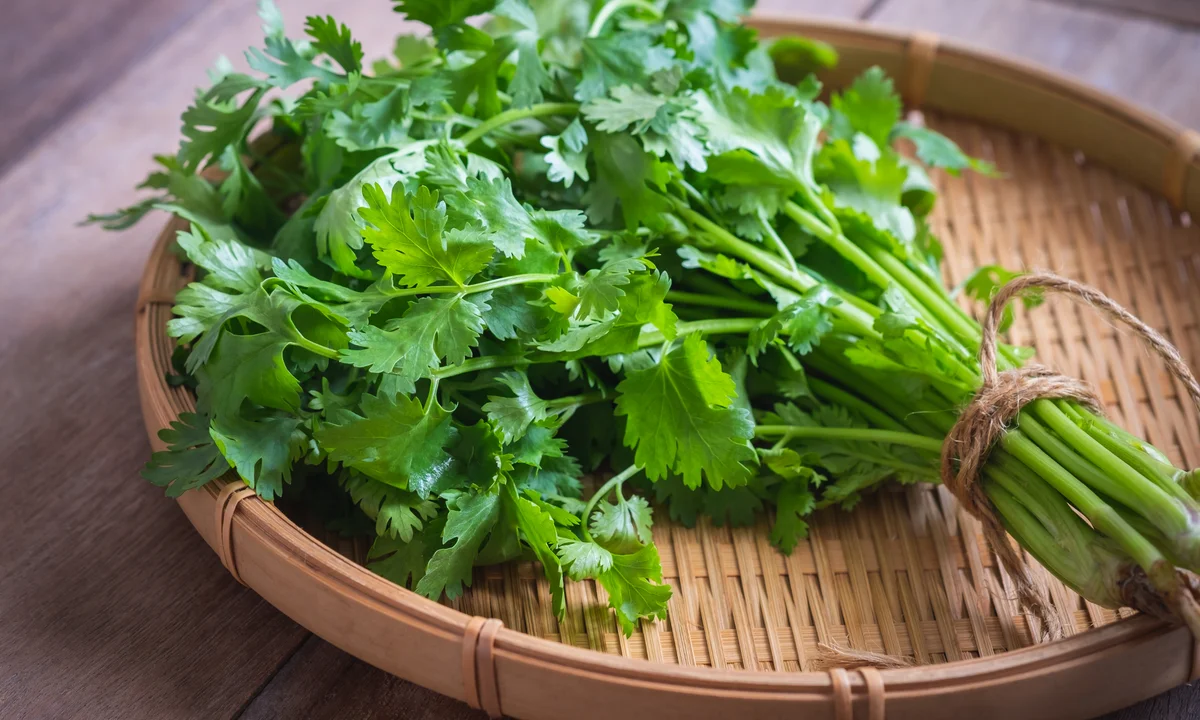
This is where people get it completely wrong. Bulk doesn't mean buying everything in mountains. You don't bulk-buy tomatoes or onions — they'll rot in week two, I promise. You don't stock up on fresh herbs, coriander leaves, or spinach. You're being intelligent.
Here's what you actually buy in bulk:
- Rice and basmati rice — feed your entire family, last for months, costs drop significantly
- All types of lentils and beans — chickpeas, red lentils, kidney beans, moong dal, whatever your household cooks
- Flour, cornflour, baking essentials — stored dry and cool, they're effectively permanent pantry items
- Oil and pure ghee — bigger containers always cost less per litre, and you use them anyway
- Dried spices in bulk — turmeric powder, coriander powder, chilli powder, cumin work for months when stored properly
- Sugar, salt, tea leaves — non-negotiable staples that your household consumes regardless
- Yogurt in large 1kg tubs — make your own desserts, marinades, and chutneys instead of buying cups
Here's my actual insider recommendation: buy your vegetables and fresh produce at smaller scales, maybe once or twice a week. But buy your dry goods, oils, spices, and pantry essentials in bulk. That's the sweet spot. You're not drowning in onions in week three. Your budget still has real breathing room. Your kitchen feels under control instead of chaotic.
The Storage Problem That Isn't Actually a Problem
The biggest objection I hear — and I get it — is "But where will I put all this food?" Fair question. But here's the reality. Most Pakistani kitchens, especially in Islamabad and Rawalpindi apartments, have significantly more dead space than people realise. A pantry cupboard that fits 20 small tins of spices easily accommodates 5-6 large ones. The problem isn't space. It's usually that shelves get filled with things nobody even uses.
Invest in proper airtight containers. They cost 300-500 rupees per container and last literal years. Properly stored flour, rice, and lentils stay fresher in sealed containers than in their original bags. Add a moisture absorber packet, keep things in a cool cupboard, and your pantry becomes functional, organised, and protective of your food.
And let's be straightforward — apartments in Bahria Town, Defence, G-series, and standard DHA layouts? Most have kitchens the size of a decent bedroom these days. You absolutely have the space.
The Math That Actually Changes Everything
Stop thinking about bulk grocery shopping Pakistan in terms of "how much am I spending today." Start thinking in terms of cost per serving, cost per month, and accumulated savings.
A 1kg bag of decent Basmati rice from a local grocer costs maybe 250 rupees per kilo. Buy 20 kilos from a wholesale market? You're down to 200-220 rupees per kilo. That 30-rupee difference sounds trivial. But if your family uses 100 kilos of rice across a year — which most households do — that's 3,000 rupees saved. Just on rice.
Now multiply that savings across lentils, flour, oil, sugar, spices, and salt. Suddenly you're looking at genuine, real savings of 15,000-20,000 rupees annually. That's money for electricity bills when they spike. That's emergency cushioning. That's a proper family dinner out. That's actually real money.
Being Honest About What Actually Goes Wrong
Bulk grocery shopping Pakistan isn't perfect. Sometimes you'll buy something in bulk and your family's taste preferences will change — especially with teenagers. You'll make mistakes. You'll sometimes throw away a bit of money. That's the actual risk.
The solution is starting small. Don't drop 10,000 rupees on bulk staples all at once if you've never done this. Start with what you already know — rice, lentils, flour, oil. Buy moderate bulk. See how it works for your household. Then expand.
Here's what nobody mentions — spoilage actually happens. If you buy 5 kilos and lose 500 grams to moisture or insects, your savings take a hit. Proper storage containers, cool cupboards, checking expiry dates, and rotating stock — these habits matter. They're what separate genuine savings from wasted money.
Try This One Thing This Week
Pick one staple your household goes through regularly. Maybe rice. Maybe lentils. This week, instead of buying your usual 1kg pack, buy 5kg. Track exactly how much you spend per kilo. Use it over the next month. Watch how the cost per serving genuinely changes.
Don't overcommit to a massive lifestyle shift. Just try one item. Just see what happens. Most people find that within a month, bulk grocery shopping becomes normal. And once it becomes the default, your household budget starts functioning differently. You stop feeling helpless about money.
If you're in Islamabad or Rawalpindi, you can get bulk staples delivered through FreshBox, which means you don't have to navigate the market chaos — just order, and basics show up at your door.
Ready to start eating healthy?
Browse our selection of fresh produce and groceries, delivered to your doorstep in minutes.
Start Shopping
Written by
Faisal ShehzadFaisal Shehzad writes practical, locally-grounded guides on groceries, seasonal produce, nutrition and home cooking for households across Islamabad and Rawalpindi.
View all articles →