
Chaunsa Mango Recipes Beyond Fresh: Achar, Lassi & Desserts
Why Chaunsa Is Different From Everything Else
You know that moment when the first Chaunsa mangoes hit Islamabad? Everyone loses their minds. And they should—Chaunsa is the mango that makes people understand why food writers get poetic about fruit.
But eating them fresh is just the beginning. The real magic happens when you transform these golden beauties into things that last. Achar that grows spicier with time. Lassi thick enough to coat a spoon. Desserts that have people asking for your recipe three times over. This is where chaunsa mango recipes get truly interesting.
Look, I'm not going to pretend all mangoes are created equal. They're not. Chaunsa has this balance of sweetness and fiber that makes it perfect for more than just eating fresh with salt and chili pepper.
The texture matters. It's firmer than Sindhri (which falls apart if you breathe on it) but smoother than Samandar. That firmness is what makes chaunsa mango recipes work so well—the fruit holds together through cooking, pickling, and churning without turning to mush.
And the flavor? It's not aggressively sweet. It's the kind of mango that tastes like a mango should taste. Not that fake sugary thing some varieties get after sitting in a warehouse. Real Chaunsa has this subtle spice underneath the sweetness that works like seasoning in a biryani.
That's why the best chaunsa mango recipes lean into minimal interference. You're not trying to cover up the flavor. You're trying to enhance it.
Picking the Right Chaunsa for Each Recipe
Before you even start thinking about chaunsa mango recipes, you need to pick the right fruit. Different recipes need different ripeness levels.
For achar? You want Chaunsa that's almost ripe but still firm enough to hold a knife cut without squishing. Green-tinged is actually fine here—it'll soften as it cures in the salt and spices.
For lassi and smoothies? That's your super ripe Chaunsa. The one where the skin is that deep golden color with some red blush. If it's yielding slightly to finger pressure, you're golden. Or, you know, mangoy.
For desserts like kheer or falooda? Medium ripeness works best. You want sweet enough that you don't need extra sugar, but firm enough that the flesh doesn't disintegrate when it hits hot milk.
Pro tip: buy a day early. Chaunsa continues ripening on the counter. By tomorrow, that slightly-firm mango becomes perfect. It's the difference between "pretty good" and "where did you even find this?"
Chaunsa Achar That Actually Tastes Like Something
Okay, let's make some chaunsa mango recipes that actually work. Chaunsa achar starts with understanding that you're doing two things at once: preserving the fruit AND developing flavor. These aren't the same thing.
What you need:
- 1 kg firm Chaunsa mangoes (not fully ripe)
- 150 grams salt
- 60 grams nigella seeds
- 30 grams mustard seeds
- 4-5 dried red chilies
- 15 grams fenugreek seeds
- 1 tablespoon turmeric powder (my grandmother always said "until it looks right")
Here's what you do:
Cut the Chaunsa into thumb-sized chunks. Not huge chunks, but not tiny either. Sprinkle salt over everything and let it sit for 24 hours. This isn't optional. This is where the actual preservation starts, and it makes a difference.
Next day, the mangoes will have released juice. Drain it carefully (keep it—you'll need it later). Toast all your seeds together in a dry pan until fragrant. Maybe two minutes. Don't burn them. Burnt achar is a family argument waiting to happen, trust me on this.
Mix the toasted seeds with the mango pieces, turmeric, and crushed dried chilies. Add the drained juice back in. Pack it tight into glass jars—the juice should almost cover everything. Here's the insider secret: don't seal it completely for the first three days. Let it breathe. Then seal it properly. It'll be ready in two weeks, but honestly, it gets better after six weeks. After three months, it's transcendent.
Chaunsa achar tastes like nothing else because Chaunsa has a mild enough flavor that it actually takes the spices rather than fighting them.
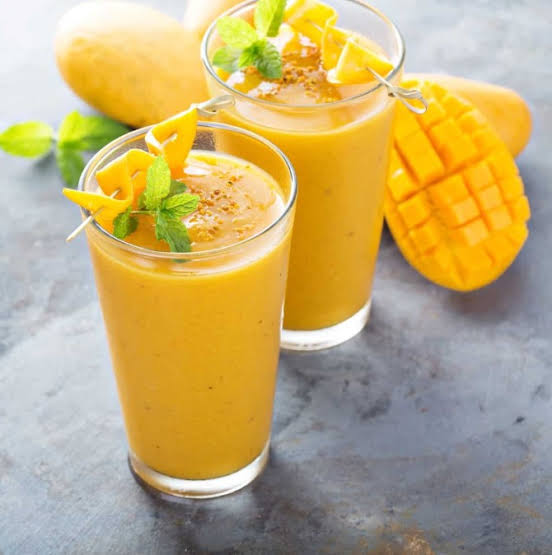
Chaunsa Lassi: The Thick Kind
Summer in Rawalpindi without a good mango lassi is basically a crime.
Chaunsa is actually the ideal mango for lassi because of the texture. You're not trying to strain lumps out. The fruit basically becomes creamy on its own when you blend it.
The recipe is embarrassingly simple:
- 3 ripe Chaunsa mangoes
- 1 cup thick yogurt (the real stuff from wherever your neighborhood makes it, not the plastic tub from the supermarket)
- Half cup sugar (adjust to taste—Chaunsa does half the work here)
- Quarter teaspoon cardamom powder
- Ice
Blend the mango flesh with yogurt. Don't overthink it. Add sugar and cardamom. Taste it. Adjust. Blend again with ice until it's frothy on top.
That's it. That's the recipe.
But here's what separates good lassi from great lassi: the yogurt quality. If you're using that sweetened fruit yogurt, stop. Get the plain, tangy stuff from wherever your neighborhood makes it fresh. The tartness against the mango sweetness is the entire point.
Pour it into a tall glass. Top with a pinch of ground pistachios if you're feeling fancy (and when are you not?). Serve immediately. Frozen glasses make it even better if you have time.
Chaunsa in Desserts
Beyond fresh eating and achar, chaunsa mango recipes shine in desserts that actually taste homemade.
Chaunsa Rabri Falooda is the move. Layer chilled milk with vermicelli, Chaunsa puree (just mango blended smooth), and that reduced milk cream that forms on the top when you boil milk down for hours. Add a few pistachios, maybe some rose petals if you're in that mood. It tastes like someone cared deeply about feeding you.
Or Chaunsa Kheer—rice cooked in milk until soft, then sweetened with the natural sugar in Chaunsa puree stirred in at the very end. Mango flavor throughout, creamy texture, and none of that plastic-y taste you get from syrup-based puddings.
Storing Chaunsa Properly
Here's where most people mess up chaunsa mango recipes: storage.
Fresh Chaunsa stays good for about five days on the counter once it's fully ripe. After that, it starts getting mealy and the flavor becomes one-dimensional. If you want to keep it longer, peel it, cut it into chunks, freeze on a tray, then bag it. It works beautifully for smoothies and kheer. For achar though, skip the freezing entirely—use fresh fruit.
For achar that's already made, store it in a cool, dark place. Not the fridge. The cold slows down flavor development. After a few weeks, if your kitchen temperature regularly hits 32°C (which, let's be honest, it does in July), move it to the fridge then.
Final Thought on Chaunsa Mango Recipes
The best part about having access to real, good Chaunsa is that you don't need complicated recipes. You need to know what you're doing, but you don't need a hundred ingredients or six hours of work. That's the beauty of working with good raw ingredients.
Chaunsa earned its reputation because it's straightforward. It tastes good fresh. It pickles beautifully. It makes silky, perfect lassi. It doesn't demand rescue through heavy spicing or complicated cooking methods. It just wants to be respected.
That's the whole point of chaunsa mango recipes—they're supposed to let the fruit speak.
If you're hunting for good Chaunsa right now, you can get these delivered via FreshBox. Then run with one of these recipes. Make the achar. Make the lassi. Make both. Your future self will thank you when you're eating homemade achar in November and your friends are asking where you found it.
Frequently Asked Questions
Which Chaunsa mango should I use for achar?
How long does Chaunsa achar take to be ready?
What makes the best mango lassi?
How do I store fresh Chaunsa mangoes?
Ready to start eating healthy?
Browse our selection of fresh produce and groceries, delivered to your doorstep in minutes.
Start Shopping
Written by
Faisal ShehzadFaisal Shehzad writes practical, locally-grounded guides on groceries, seasonal produce, nutrition and home cooking for households across Islamabad and Rawalpindi.
View all articles →