
Choosing Qurbani Animal at Mandi: Your Anti-Scam Haggling Guide
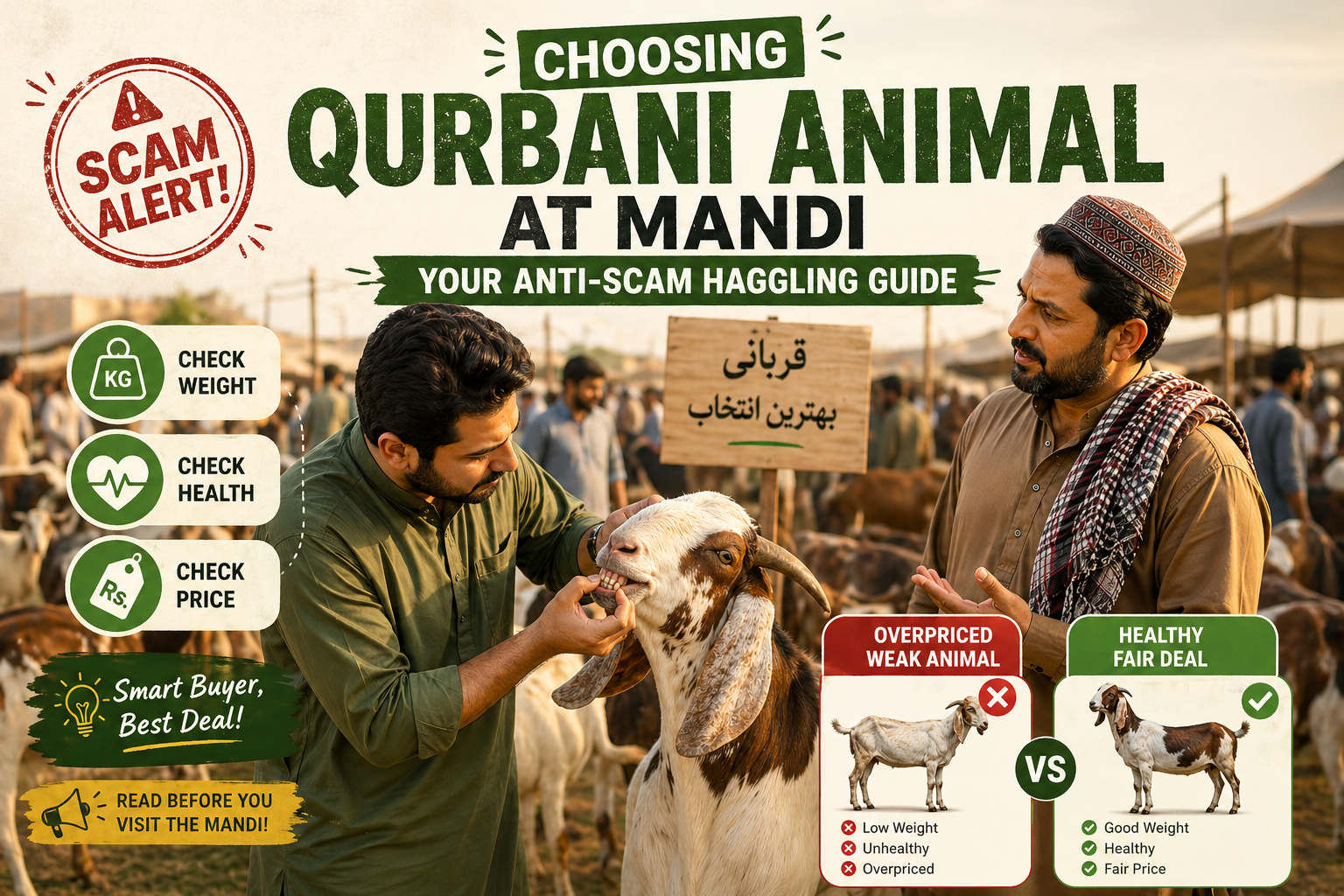
Choosing a Qurbani Animal at Mandi: Your Anti-Scam Haggling Guide
You're standing at the mandi at dawn, surrounded by dozens of animals. Vendors are shouting. A man with betel-stained teeth keeps insisting his goat is the "finest specimen" — but you're pretty sure you saw it marked at three different prices yesterday. The noise. The heat. The panic that you're going to get completely ripped off.
Yeah. That's the Eid animal market.
Most people wing it when choosing qurbani animal. They show up without knowing what a healthy animal actually looks like, no haggling strategy, and zero awareness of the scams happening literally every single day at the mandi. Then they wonder why they paid 30,000 rupees too much and got an animal that's half-starved.
Choosing qurbani animal doesn't have to be like this.
Actually Knowing What You're Looking For
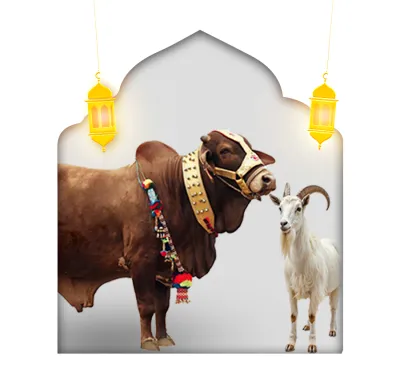
The foundation of choosing qurbani animal is understanding what actually signals health versus what vendors use to hide problems. A healthy qurbani animal doesn't hide. Clear eyes. Cloudy or weepy eyes mean disease — skip it. The coat should be shiny, not dull or patchy. A bad coat usually means malnutrition or infection.
Weight and build matter more than vendors want to admit. This is where people lose enormous amounts of money. A thin animal costs the same as a healthy one, but the actual meat yield is maybe 60% of what you expected. Check the ribs. You shouldn't see every single one protruding.
Teeth tell you everything. Open the mouth and look at the molars. Missing teeth mean the animal can't eat properly, and vendors lie constantly about age based on tooth growth. The front teeth don't lie.
Watch the animal walk without a handler guiding it. Any limp, any dragging — that's a problem. Nose and ears should be clean. Any discharge is infection.
Here's an insider thing: ask the vendor to let the animal stand naturally on flat ground under daylight. Vendors position animals in shadow, at angles, with handlers positioned to hide flaws. A naturally standing animal reveals everything.
The Actual Science of Haggling
Real talk: when choosing qurbani animal at the mandi, the opening price is never the real price. That's just where the conversation starts.
Offer 60-70% of what they're asking. They'll look wounded. They might refuse. That's expected. Counter at 75-80%. Most vendors have 15-20% built-in margin, so there's real room to negotiate.
Don't get emotionally attached to one specific animal. That's the vendor's advantage. See one you like? Stay skeptical out loud anyway. "The coat isn't as good as the other one." "The hooves look weak." It doesn't matter if you're lying — it creates negotiating room.
Never agree on price until you've inspected the animal multiple times from different angles in good light. Do this independently. Don't let the vendor's handler position the animal for you.
The Actual Scams Happening Right Now
Water injection is the biggest one. Unethical vendors inject water directly into the animal's stomach the night before or morning-of sale to inflate weight. You pay more for an animal that's essentially 20-30% water, which evaporates during cooking. Suspect vendors restrict water access beforehand, then brag about how much the animal just drank. Animals with suspicious bloating or a strangely distended stomach are red flags.
Doping. Some sellers give animals stimulants or pain medication to make them look energetic temporarily. Effects wear off. You're left with an animal that's lethargic or collapses.
Hidden health problems. Missing hooves hidden under clever positioning. Abscesses or infections under fur. Intestinal issues that'll kill the animal within days. You need to check thoroughly. If you're not comfortable inspecting yourself, bring someone who's actually done this.
False age claims. Vendors will swear a one-year-old is definitely two. Check teeth and horn growth yourself. They don't lie. If unsure, get an actual livestock expert to verify.
Where to Actually Go and When
Timing matters enormously when choosing qurbani animal. The first five days of Dhul-Hijjah are your sweet spot. Prices are reasonable because there's less panic. By the last week, vendors charge 20-30% premiums because they know people are desperate.
Location: If you're in Islamabad, Raja Bazaar is the main mandi. In Rawalpindi, the vegetable market area connects to animal markets certain days. Smaller, quieter mandis often have better quality because the pressure is lower. A vendor running a smaller operation might actually care about reputation.
Look at the actual space where animals are kept. Filthy pens mean stressed, possibly sick animals. Clean, organized areas suggest someone who takes care.
Final Checks Before You Pay
Get the animal weighed independently. Not the vendor's scale. Find another weigher or a proper station. If they refuse, that's already a problem.
Ask about feed. What's the animal been eating? This affects meat quality later. Animals fed proper fodder and grains taste significantly better.
And real talk: trust your gut. Don't buy from someone giving you a weird feeling. There are dozens of vendors. If someone's being evasive, aggressive, or rushing you, just leave.
After you buy, you can get animal feed and supplies delivered through FreshBox so the prep work is easier.
Why This Actually Matters
Choosing qurbani animal well means making sure the animal was treated decently, the meat is actually quality, and you're not getting played by someone who's been running this scam for years. The best price isn't the cheapest. It's paying fair money for a healthy animal that yields good meat and feels right for what Qurbani means.
Ready to start eating healthy?
Browse our selection of fresh produce and groceries, delivered to your doorstep in minutes.
Start Shopping
Written by
Faisal ShehzadFaisal Shehzad writes practical, locally-grounded guides on groceries, seasonal produce, nutrition and home cooking for households across Islamabad and Rawalpindi.
View all articles →