
Coriander & Mint: Fresh Herbs Pakistani Cooking Runs On
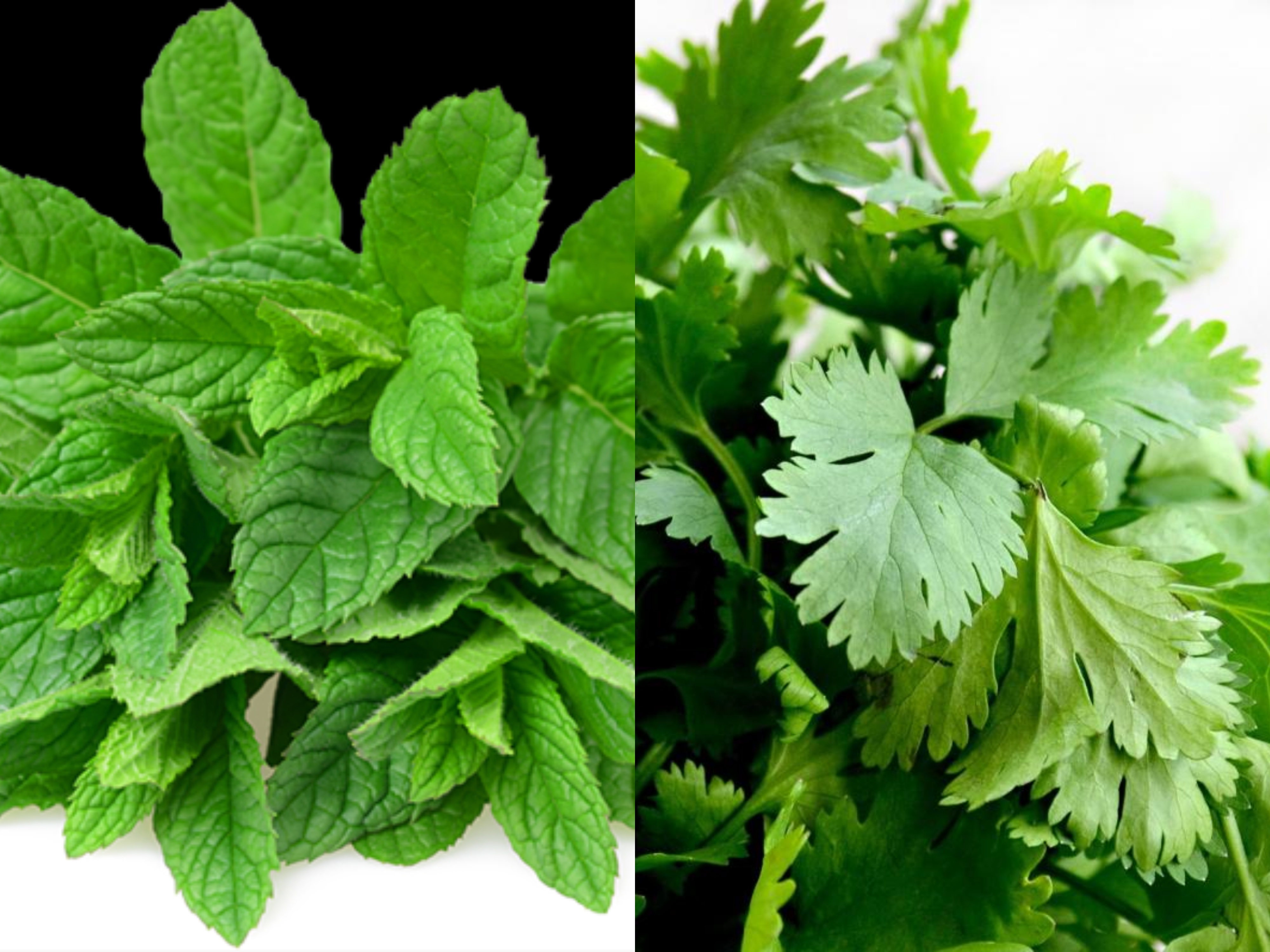
Every week, thousands of grocery orders leave FreshBox's system headed to kitchens across Islamabad and Rawalpindi. Tomatoes, onions, potatoes — fine, those make sense. But you know what's sitting right there at the top of the most-ordered list? Coriander bundles and mint bundles. Every single week.
That's not a coincidence. That's culture.
These two tiny, cheap bundles of green are the backbone of fresh herbs Pakistani cooking in ways that don't get nearly enough credit. We obsess over which brand of oil to use, we fight over basmati rice varieties, but nobody writes long posts about the herbs that quietly make everything taste like home. Until now.
The Two Herbs That Run Pakistani Kitchens
Real talk: remove coriander and mint from Pakistani cuisine and you've basically removed the soul of it. I'm not being dramatic. Think about it — what finishes your biryani? What goes into your raita? What's scattered over your daal before you bring the pot to the table? What makes your chutney actually taste like chutney?
Coriander and mint. Always.
Over 19,000 orders have been delivered by FreshBox since we started, and these two herbs appear in the top-ordered items list alongside staples like tomatoes and onions. Not fancy. Not exotic. Just essential. And honestly, any recipe that tells you to skip fresh herbs because "dried will do" is lying to you.
Coriander: The Herb That Does Everything
Coriander is the hardest-working herb in Pakistani cooking. It shows up raw, it shows up cooked, it shows up as a garnish, it shows up blended into chutneys. The plant gives us both the leaves and the seeds — two completely different flavors from one plant, which is kind of remarkable if you stop to think about it.
How Pakistani Home Cooks Actually Use Fresh Coriander
The most common use is the garnish — that scattering of fresh green leaves over daal, over haleem, over any curry that needs to look like a human made it with love and not a tired person who got home at 8pm. But treating coriander only as a garnish is underselling it badly.
Here's the thing: add a big handful of coriander leaves — stems and all — while your chicken karahi is still bubbling on the stove. About five minutes before you turn off the flame. Let it wilt slightly into the gravy. It does something to the dish that no amount of dried coriander can replicate. The flavor becomes deeper, a little more citrusy, and the whole thing smells like a proper restaurant kitchen.
And the stems? Don't throw them. Ever. They have more flavor than the leaves. Blend them into your green chutney, add them to your marinade, throw them into the early stages of a curry when you're frying onions. Pakistani grandmothers have been doing this for decades and they never called it a "hack" — it was just how you cook.
Green Chutney: The Non-Negotiable
No Pakistani household is complete without a jar of green chutney in the fridge. And yet somehow people still buy the bottled stuff from the store. I don't understand it. The fresh version takes ten minutes and it's not even close — it's brighter, sharper, more alive.
Blend a full bunch of coriander with a handful of mint, two or three green chilies, garlic (two cloves minimum), a squeeze of lemon, salt, and a splash of water. That's it. That's the recipe. You can add yogurt if you want a creamier version that goes better with kebabs. Lasts three to four days in the fridge.
The key with fresh herbs Pakistani cooking is using them while they're actually fresh. Which sounds obvious. But if you've ever watched wilted, yellowing coriander get blended into a chutney, you know the result tastes like sadness.
Mint: Underused, Underrated, Irreplaceable
Mint gets a little less credit than coriander in everyday cooking, but it shouldn't. It's the herb that adds that cooling, clean note to dishes that would otherwise be too heavy. And in Islamabad summers — especially now that the weather is turning — mint is non-negotiable.
Mint in Biryani (This Is Where People Go Wrong)
Every family has their own biryani ratio. Their own spice blend. Their own opinion on whether to add potatoes. But the good biryani cooks — the ones whose houses you actually want to be invited to — all agree on one thing: fresh mint goes in the layers. Not dried. Fresh.
Layer your rice, layer your meat, add a scattering of fresh mint leaves between the layers before you seal the pot for dum. The mint steams into the rice and does something completely different from what it does raw. It becomes subtle, fragrant, almost floral. That's the mint doing its job quietly.
Mint Raita: The Recipe That Rescues Any Meal
Yogurt raita without mint is just... seasoned yogurt. Which is fine. But mint raita is a proper condiment that can rescue an overspiced dish, cool down a meal that got a bit too aggressive with the red chili, or just make a simple lunch of daal and rice feel like something more.
Take a kilo of fresh yogurt — the kind that's thick and tangy, not the watery stuff — add a handful of roughly chopped mint, a pinch of roasted cumin, salt, and a touch of black pepper. Mix. Done. Eat immediately or refrigerate for up to two days. The mint will start to darken after that, which is fine for flavor but not great for looks.
FreshBox carries fresh yogurt in 1kg packs, which is exactly the right size for a family raita situation. The mint bundles are also consistently stocked — both are in that top-ordered category for good reason.
Keeping Fresh Herbs Alive Longer (Because They Die Fast)
This is where most people lose. You order fresh coriander and mint, they arrive bright green and beautiful, and by day three they're a soggy mess at the bottom of your vegetable drawer. Here's what actually works:
- Treat them like flowers. Trim the ends, put them in a glass with a small amount of water, cover loosely with a plastic bag, and refrigerate. Lasts five to seven days.
- Don't wash until you need them. Moisture accelerates wilting. Wash just before use.
- For coriander specifically: wrap in a slightly damp paper towel before putting in the glass. That extra humidity around the leaves makes a real difference.
- Freeze the extra. Blend coriander or mint with a little water and freeze in ice cube trays. Drop one cube into a curry or soup when you need it. Not the same as fresh for garnishing, but perfectly fine for cooking.
Look, nobody wants to order herbs twice a week. But with over 518 orders going out from FreshBox every month across Islamabad — from F-6 all the way to Bahria Town and DHA — same-day delivery means you can actually order fresh herbs when you need them rather than buying in bulk and watching them die.
The Pairing Nobody Talks About: When to Use Both Together
Coriander and mint together, in roughly equal amounts, is the green chutney formula. But the pairing works in other places too. A green marinade for chicken tikka — coriander, mint, green chili, yogurt, garlic, ginger — is one of the best things you can do with both herbs at once. Marinate overnight, grill or bake, and you get a result that's fresher and more complex than any tikka made with dried herbs.
The same pairing works in a simple salad dressing. Blend both herbs with olive oil, lemon, garlic, and a pinch of salt. Toss with sliced cucumber and tomato — also consistently top-sellers on FreshBox for obvious reasons. It's the kind of salad that makes you feel like you've done something genuinely good for yourself.
Why This Matters for How You Shop
Here's the practical argument: fresh herbs Pakistani cooking is only good when the herbs are actually fresh. Bought from a roadside vendor at 7am, great. But if you're going to F-10 market at 6pm in Islamabad traffic, by the time you get home and cook, you might as well have ordered fresh delivery.
The data tells you what people have figured out. Among 4,837+ FreshBox customers, coriander and mint bundles are ordered so frequently they sit in the top items list alongside tomatoes and onions. People are not buying these as one-time things. They're reordering. Consistently. Because fresh herbs are the kind of ingredient you use a little of, you run out, and then your cooking is noticeably worse until you get more.
Ratings sit at 4.6 out of 5 across all those delivered orders, and I'd argue part of that is simply that fresh produce delivered same-day is still fresh when it arrives. That sounds like a low bar. It's not.
Final Thought
The most sophisticated thing about Pakistani cooking is that its best dishes rely on the simplest ingredients done right. Coriander and mint aren't glamorous. They cost next to nothing. But they're the difference between a curry that tastes like effort and a curry that tastes like love.
Order them fresh. Use them generously. And stop treating them like optional garnish when they're actually the point.
Ready to start eating healthy?
Browse our selection of fresh produce and groceries, delivered to your doorstep in minutes.
Start Shopping
Written by
Faisal ShehzadFaisal Shehzad writes practical, locally-grounded guides on groceries, seasonal produce, nutrition and home cooking for households across Islamabad and Rawalpindi.
View all articles →