Diabetic-Friendly Pakistani Breakfast Ideas: Skip the Paratha Problem
Diabetic-Friendly Pakistani Breakfast Ideas: Skip the Paratha Problem
You know that feeling when someone brings a plate of piping hot parathas to breakfast and you have to sit there with a cup of black tea because you're diabetic? That specific kind of torture. Parathas are incredible — all those layers, the butter, maybe some potato filling — but one paratha can spike your blood sugar faster than scrolling through social media makes you feel behind in life. And here's the real issue: there's this myth in Pakistani households that diabetic-friendly breakfast means giving up everything good and eating bland stuff that tastes like disappointment.
That's not true.
The thing is, our food culture has so many options if you know where to look. You don't need to skip breakfast or settle for oats and berries every single morning. There's a whole world of diabetic-friendly Pakistani breakfast ideas that are genuinely delicious and won't wreck your blood sugar levels. Real talk: managing diabetes doesn't mean cutting out Pakistani food entirely. It means understanding portion sizes, picking the right combinations, and being smart about which foods to lean on. Your morning meal doesn't have to be a compromise between your health and your happiness.
The Paratha Problem (And Why It's Real)
Look, I'm not here to tell you parathas are evil. They're not. A homemade paratha with minimal ghee is fine in moderation. But a full paratha with standard filling can have 30-40 grams of carbs in one piece, and most people eat two. Add a glass of whole milk tea with sugar, and you're looking at a blood sugar spike that won't come down till mid-afternoon.
The traditional Pakistani breakfast setup is basically designed to challenge your blood sugar. Parathas, white bread, sweetened tea, maybe some condensed milk yogurt, fried samosas. All of it spikes glucose like crazy. And because breakfast is the first meal, it sets the tone for your entire day. If you start with a massive carb bomb, you're fighting blood sugar fluctuations all morning. The solution isn't to give up Pakistani food. It's to redesign your breakfast plate entirely.
Eggs Are Your Best Friend
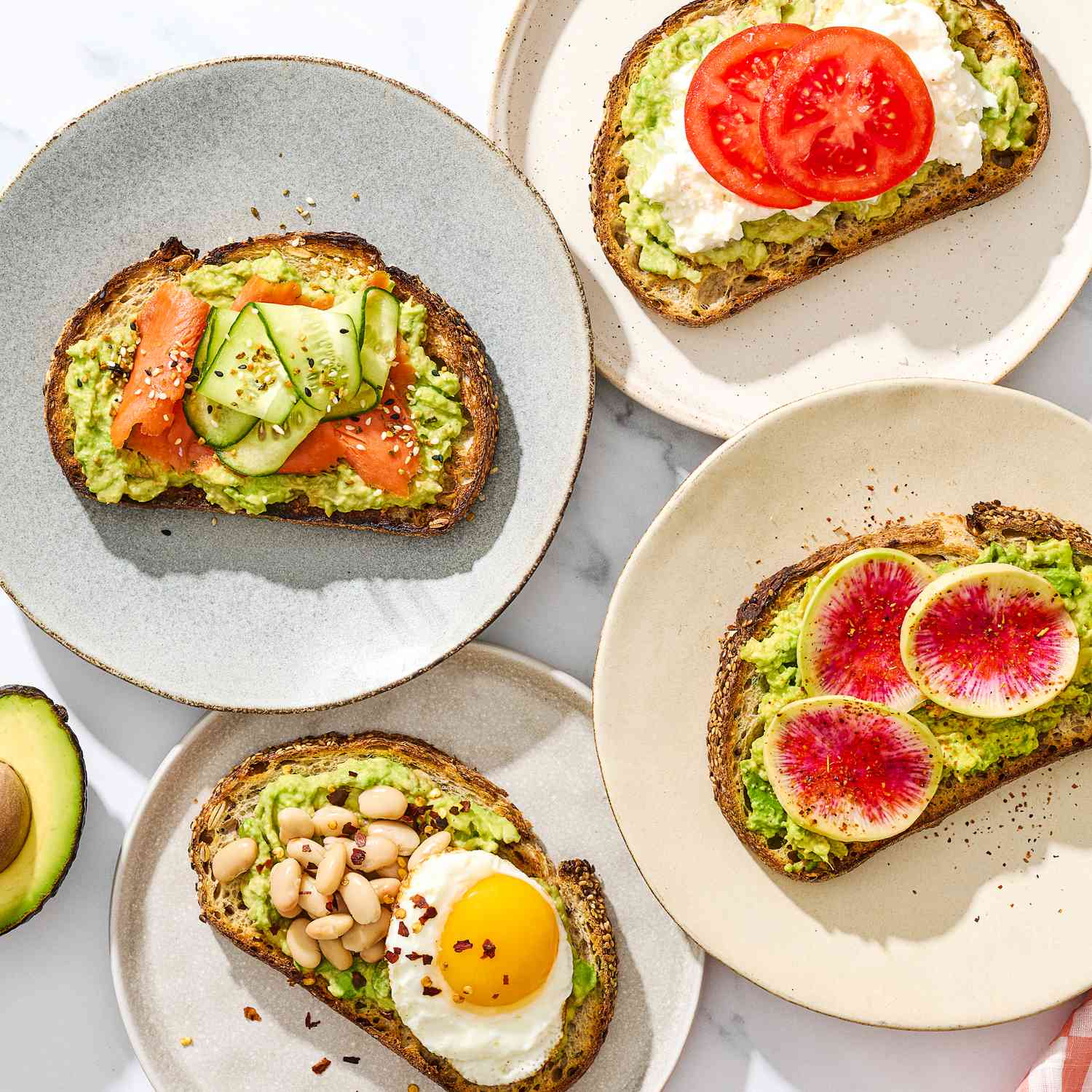
Here's the insider tip nobody talks about: eggs are genuinely one of the best diabetic-friendly Pakistani breakfast options available, and our culture has incredible ways to prepare them. Scrambled eggs with fresh spinach, tomatoes, and onions — that's breakfast. No carbs to speak of, loads of protein, and completely satisfying. Fry them in a tiny bit of ghee and you've got something that tastes like actual food, not diet food.
Or make a proper omelette the way Pakistani homes do it — beat eggs with fresh coriander, green chillies, and maybe some onions, fry it in ghee, fold it over. Add a small side of fresh cheese or yogurt. You're getting protein, healthy fats, and flavor. Your blood sugar stays stable. You're not hungry by 10 AM.
Eggs keep you full longer because of the protein and fat combination. Unlike a plate of carbs that leaves you starving two hours later, eggs will take you straight to lunch without the energy crash or the 11 AM hunger pangs that destroy your willpower.
Yogurt Done Right
Now here's where people mess up with yogurt. Store-bought sweetened yogurt with fruit on the bottom? That's basically dessert pretending to be breakfast. A single serving can have 20+ grams of added sugar lurking in there.
Fresh, unsweetened yogurt — real yogurt, not the overly sweet stuff — is completely different. Pair it with a small handful of nuts (almonds, walnuts), maybe some flax seeds if you're into that, and a few berries. You've got a breakfast that's high in protein, has healthy fats, and won't spike your blood sugar. Some families make their own yogurt at home, which is obviously the best option. If you're buying it, look for unsweetened Greek yogurt. The protein content is higher, the carbs are lower, and it's more filling.
Add a pinch of salt and some fresh lime juice if plain yogurt feels too boring. Or mix in some toasted cumin seeds for that authentic Pakistani flavor. Make it taste like actual food instead of a health food compromise.
Rethink Your Grains
You don't have to avoid grains entirely, but you need to be strategic about it. A paratha made with regular white flour is a blood sugar disaster. But whole wheat parathas in smaller portions? That's completely different. Here's what actually works: make a thin whole wheat paratha instead of the thick buttery version. Pair it with a vegetable curry or some grilled vegetables. The fiber in whole wheat slows down digestion, which means your blood sugar rises more gradually. You're still eating paratha — just being smarter about it.
Oats are underrated in Pakistani breakfast culture. Not the instant sweet packets from imported brands (those are basically sugar), but actual rolled oats cooked with water or unsweetened milk, topped with nuts and a little honey or fresh fruit. Make it savory if you want — add some salt, a bit of ghee, maybe fried onions. That's a proper breakfast.
Millet, or bajra, is something our grandmothers used to cook with regularly, and it's genuinely excellent for blood sugar management. It has a lower glycemic index than wheat flour. If your family has bajra recipes sitting around, dust them off. They're classics for a reason and work perfectly for diabetic-friendly Pakistani breakfast routines.
The Vegetable Curry Approach
This is genuinely underrated: a simple vegetable curry with eggs or a bit of grilled chicken. Spinach, okra, cauliflower, bitter melon, whatever's in season at the vegetable market near F-10 or Jinnah Super. Cook it with minimal oil and your favorite spices. Pair this with a thin roti or skip the bread entirely and just eat the curry. Vegetables have fiber, which slows digestion. You get actual nutrients. You're full. Your blood sugar doesn't do backflips. The key is portions. One or two eggs, one small roti, a proper vegetable curry. Not three parathas and endless sweetened tea.
Fruit, But Not How You Think
Berries are fine. An apple is fine. But eating a mango or drinking a glass of fresh mango juice? That's a blood sugar event waiting to happen. Seasonal fruits are part of Pakistani breakfast culture — citrus in winter, mangoes in summer. Have them, but in small portions and with protein or fat alongside. An apple with a handful of almonds, or a few strawberries with yogurt. Never fruit alone on an empty stomach.
The Real Secret: Timing and Portions
The biggest difference between a diabetic-friendly Pakistani breakfast and the traditional version isn't what's on the plate — it's how much of it and when you eat it. Eating slowly matters. Spacing breakfast over 20-30 minutes instead of wolfing it down in five minutes gives your body time to register fullness and process nutrients properly.
Drink water. Not tea, not milk immediately with breakfast. Actual water. It sounds boring but it genuinely helps with digestion and blood sugar management. Test your blood sugar after eating the same breakfast a couple of times. See what actually affects your body. Everyone's different. Your diabetic-friendly Pakistani breakfast might be slightly different from someone else's, and that's completely fine.
Making It Stick
Managing diabetes doesn't mean abandoning Pakistani food culture. It means being intentional about what you eat, how much, and when. You can still have parathas occasionally. You can still enjoy your family breakfasts. You just build the meal differently. More eggs, more vegetables, smaller portions of carbs, and better choices about which carbs you pick. Start with eggs this week. Try a yogurt bowl next week. Test a thin whole wheat paratha the week after. See what works for your body and feels good to eat.
If you want to make shopping easier, you can get fresh vegetables, quality eggs, and unsweetened yogurt delivered via FreshBox. The real magic of a good breakfast, though, is just in the choices you make every single morning. Your body will thank you for consistency more than it will care about perfection.
Ready to start eating healthy?
Browse our selection of fresh produce and groceries, delivered to your doorstep in minutes.
Start Shopping