
Food Diplomacy Pakistan: Our Dishes Tell Our Story
Food Diplomacy in Your Kitchen: Pakistani Dishes That Represent Our Nation
Ever notice how a single dish can tell the entire story of who you are? Not just as a person, but as a nation. In Pakistan, our food speaks louder than any political statement or ambassadorial speech ever could. When you're sitting around a biryani pot with your family, you're not just eating rice and meat—you're participating in centuries of history, cultural exchange, and yes, diplomacy.
Real talk: most people don't think about food diplomacy Pakistan. They think diplomacy is all handshakes at fancy conferences and formal dinners where nobody actually enjoys the meal. But here's the thing—some of the most important conversations in history happened over a shared plate. And in Pakistan, we've been doing this for centuries.
What Is Food Diplomacy Pakistan, Anyway?
Food diplomacy Pakistan is when a nation uses its culinary traditions to build relationships, tell its story, and create understanding across borders. It's the soft power that sits on your plate. Think about it: when someone tries authentic Pakistani biryani for the first time, they're not just tasting fragrant rice and meat. They're tasting the story of the Mughal Empire, the fusion of Persian, Arab, and South Asian flavors, the resourcefulness of mothers and grandmothers who knew how to stretch ingredients into something magnificent.
This kind of food diplomacy Pakistan is unique because our cuisine is itself a diplomatic achievement. Every dish is a negotiation. Every recipe is a conversation between different cultures and regions that somehow ended up being absolutely beautiful together. Our food doesn't apologize for being complex. It doesn't try to fit into neat categories.
Biryani: The National Ambassador
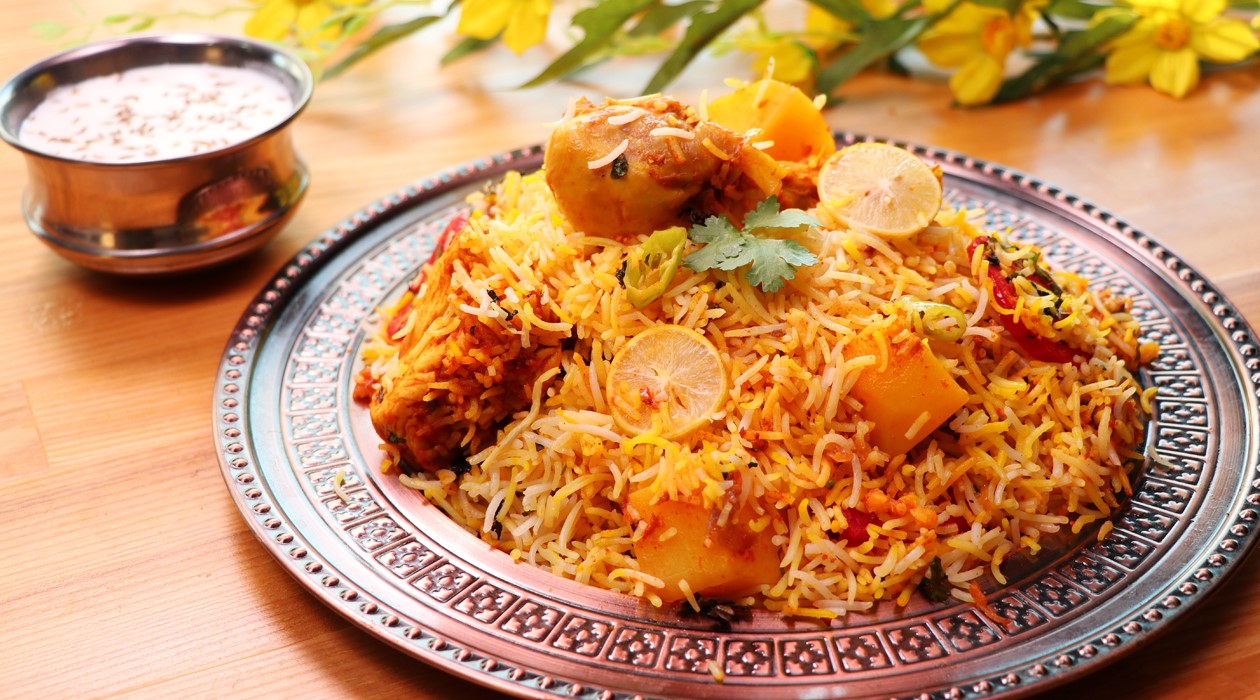
Let's start with the obvious one. Biryani isn't just a dish—it's Pakistan's greatest ambassador. Whether it's Karachi biryani with its fragrant basmati and spicy meat, Lahore biryani with its slower cooking method, or the Hyderabadi style that somehow also claims Pakistani heritage (that's a whole other incident), biryani represents something crucial about food diplomacy Pakistan.
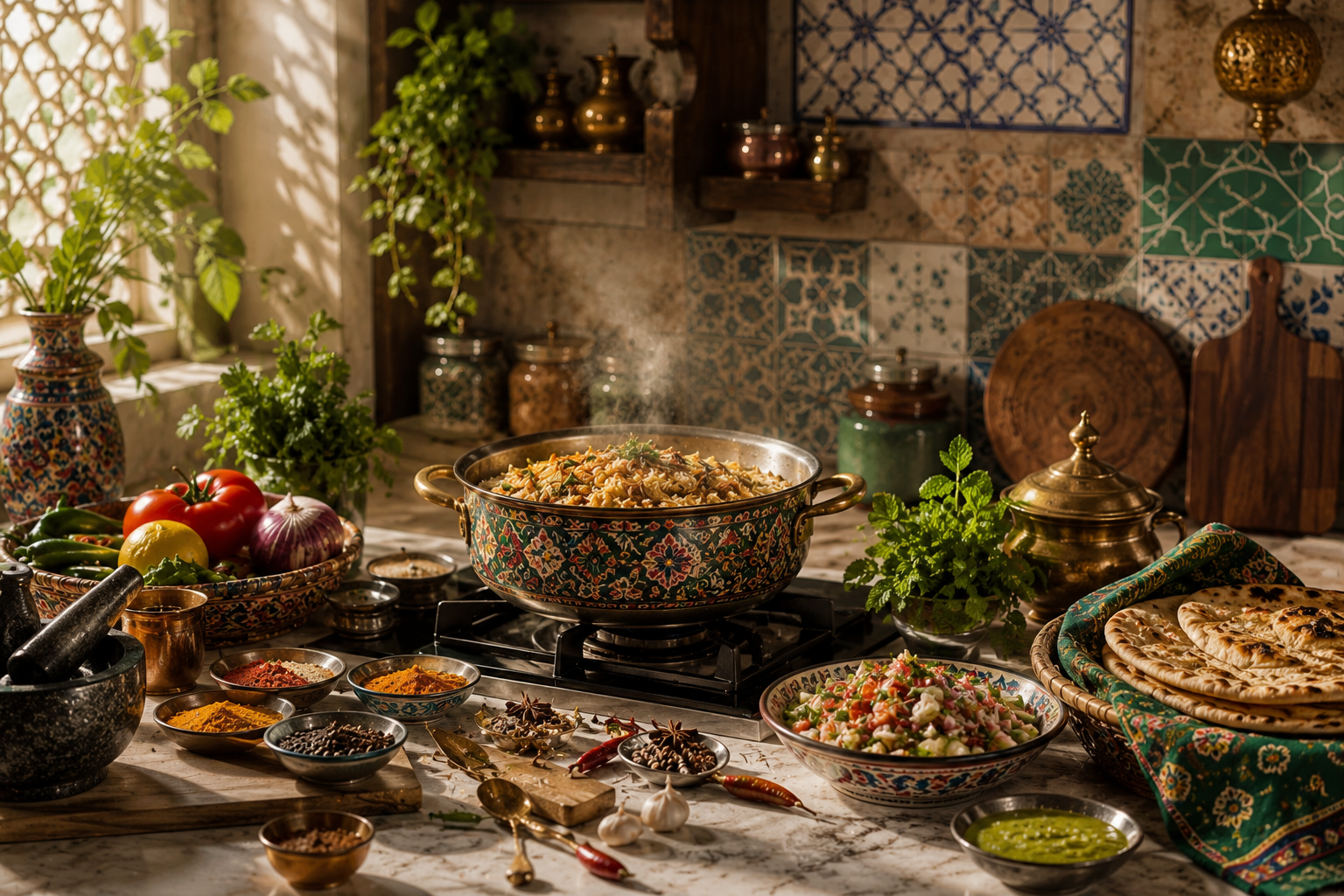
When you cook biryani, you're literally layering history. The rice knows about Mughal courts. The spices know about the spice trade routes. The cooking method—the dum pukht technique—carries memories of emperors and nobles. And yet, every household in Pakistan makes it slightly differently. That's the democracy of this cuisine right there.
The thing about biryani? It brings people together across regions, religions, and classes. A laborer and a businessman will both defend their version fiercely, but they'll agree on one thing: a proper biryani represents who we are as a nation. That's food diplomacy working silently, beautifully, on a plate.
Nihari: The Story of Survival and Sophistication
Here's where Pakistani cuisine gets really interesting. Nihari started as a Mughal royal court dish, meant for breakfast after hunting expeditions. But over time, it became something else entirely. It became the food of the street vendor, the food of working-class Lahore and Karachi, the food that represents how a cuisine can belong to everyone simultaneously.
Nihari is food diplomacy because it proves that sophistication doesn't require exclusivity. A bowl of nihari with fresh naan and pickled onions represents the full spectrum of Pakistani society. You can eat it in a five-star restaurant or from a street cart at dawn before work, and it's equally valuable, equally authentic. Both versions are telling the same story.
The way different cities make nihari—Lahore's slower-cooked meat, Karachi's spiced-up version, Peshawar's own interpretation—this is cultural conversation happening within the nation itself. These aren't conflicts. They're variations on a theme. They're proof that our cuisine is confident enough to evolve.
Chawal: The Diplomacy of Everyday Life
People overlook rice, honestly. They talk about fancy curries and complicated meat dishes, but they forget that chawal—plain, fragrant, perfectly cooked rice—is foundational to our entire culinary identity.
Rice appears in every meal. Biryani, pulao, khichdi, even in some regional breads. The way a Pakistani household cooks rice, the way they choose between basmati from different regions, how they flavor it with cardamom or bay leaves or just plain ghee—this is where the real diplomacy happens. In the everyday, not the spectacular. Your grandmother's rice recipe is a political statement.
When international guests come to a Pakistani home, they remember the rice almost as much as they remember the meat. That perfectly fluffy, fragrant basmati that seems impossible to mess up but somehow takes skill to get right. That's culinary tradition in its purest form—taking simple ingredients and making them feel like an honor to eat.
The Role of Spices in Telling Our Story
Our spice game is non-negotiable. Cumin, coriander, cardamom, cinnamon—these aren't just flavoring agents. They're evidence of ancient trade routes, of merchants crossing deserts and mountains, of empires colliding and collaborating. Every spice in your cabinet has a story.
When you use the exact ratio of spices your mother taught you for your particular family biryani, you're honoring something deeper than flavor. You're saying: this is who we are, this is how we've always done it, and here's proof.
Why This Matters Right Now
Look, the world needs more of what food diplomacy Pakistan offers—and less of everything else. When tensions rise between countries, when politics gets ugly, food remains honest. Food doesn't lie. It shows you exactly who a people are, what they value, how they treat their guests, what they're willing to share.
Pakistani dishes are teaching the world something essential: that fusion doesn't mean losing identity. That tradition doesn't mean being stuck in the past. That hospitality is a political statement. We're not trying to prove anything. We're just offering what we have, and somehow, that's always been enough.
Cooking With Purpose
If you're cooking Pakistani food at home, you're not just feeding people. You're representing your nation, your culture, your family's specific version of the story. That's intimidating and beautiful at the same time.
The insider tip? Don't aim for perfection. Aim for authenticity. Your biryani doesn't need to be exactly like the famous biryani from Karachi's old city. It needs to be exactly like your family makes it. That's where the real diplomacy lives—in the personal choices, the slight variations, the ways that different hands have shaped the same recipe over generations. That's your contribution to food diplomacy Pakistan.
Use fresh ingredients. Source good spices. Take time with it. When you're teaching someone to cook nihari or making chawal for a guest, you're building bridges. You're participating in something that transcends borders and politics.
You can order fresh ingredients for your kitchen on FreshBox—because the best food diplomacy starts with quality ingredients.
Ready to start eating healthy?
Browse our selection of fresh produce and groceries, delivered to your doorstep in minutes.
Start Shopping
Written by
Faisal ShehzadFaisal Shehzad writes practical, locally-grounded guides on groceries, seasonal produce, nutrition and home cooking for households across Islamabad and Rawalpindi.
View all articles →