
Grocery Prices Pakistan 2026: Where Your Money Really Goes
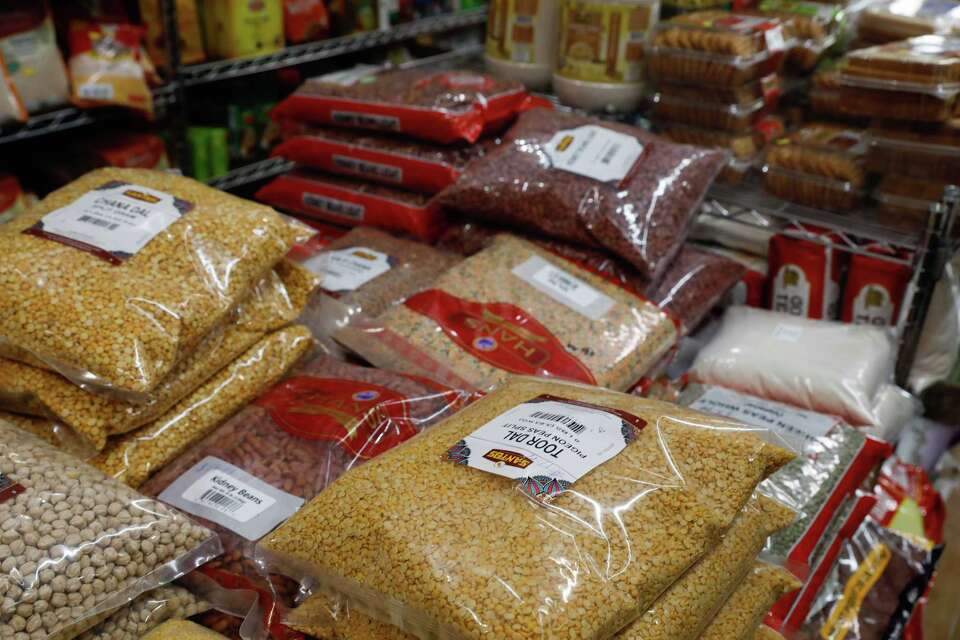
The Sabzi Bill That Made My Khala Go Silent
She came back from Itwar Bazaar last month, stood in the kitchen doorway, and just held up a bag of tomatoes. "Teen sau rupay," she said. Three hundred rupees. For ٹماٹر. She just stared at them, like they owed her an apology.
That moment, right there, is grocery shopping in Pakistan in 2026.
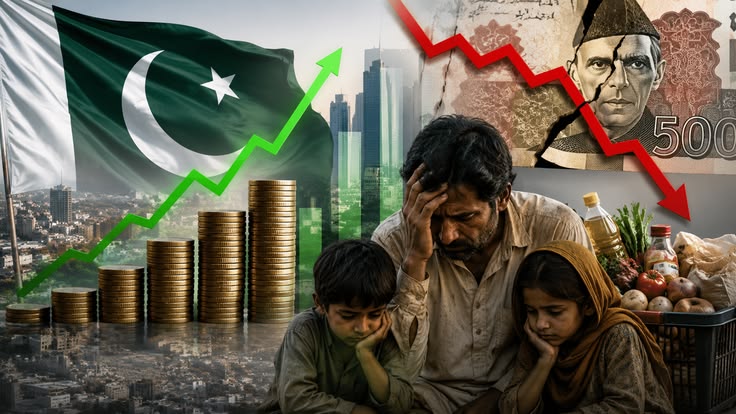
Grocery prices Pakistan 2026 isn't just something economists argue about on TV between ad breaks — it's the silent arithmetic happening in every kitchen when the sabzi wala starts rattling off his prices and your mental math quietly starts sweating. If your grocery budget keeps stretching further while actually buying less, you're not confused. The numbers genuinely changed.
What's Actually Driving the Price Spike
It isn't one thing. It never is.
Pakistan's food inflation has been grinding upward since 2023, and while the rupee found some footing, the damage to supply chains, fuel costs, and import-dependent products hasn't reversed in any clean way. Fertilizer costs hit farmers hard. Transport became more expensive. And whatever you plant still has to survive summers that keep getting more brutal — ask any farmer between Attock and Bahawalpur how the last two Junes treated them.
Then there's the cold chain problem. Storage infrastructure outside major cities is still patchy at best. Seasonal produce that could be spread across months instead gets flooded into markets when in season — prices collapse — and then vanishes entirely when it's not — prices go through the roof. You've watched this happen with tomatoes more times than you'd like to count. It's not a conspiracy. It's just an infrastructure gap nobody has fixed, and nobody seems particularly rushed to fix either.
By the time that sabzi travels from a farm in Rawalpindi district to a stall at F-10 Markaz, it's moved through four or five hands. Every single one takes a cut. That's your grocery bill right there.
The Items Hitting Hardest Right Now
Tomatoes. Onions. Potatoes. The holy trinity of Pakistani cooking — and all three have seen serious price movement. At FreshBox, where we've now delivered to over 4,800 customers across Islamabad and Rawalpindi, tomato (ٹماٹر) is consistently the single most ordered item. Which makes complete sense, because show me a Pakistani household that cooks without tomatoes and honestly I cannot picture it.
Fresh yogurt (دہی) is another pressure point. A 1kg tub of proper dahi — not the sealed cup from a chiller, actual homestyle dahi — has become one of those quiet moments where you pause and do the mental calculation before buying. And dahi shows up in everything: raita alongside biryani, marination for chicken, lassi on a hot afternoon, the spoonful your child demands with every single meal. There's no skipping it.
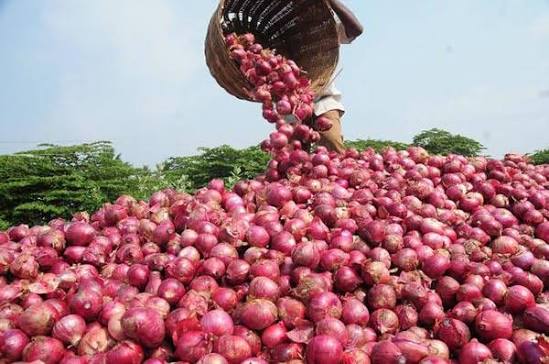
Pyaaz (پیاز). One bad crop cycle away from becoming front-page news, as we have all painfully experienced. In March it's manageable. By June, yaar, who knows.
Grocery Prices Pakistan 2026: A Category-by-Category Look
Fruits & Vegetables
The most volatile category — and also the most manageable if you shop with the season rather than against it. Right now in March, coriander (دھنیا), mint (پودینا), cucumber (کھیرا), and leafy vegetables are in a decent window. Buy them now, cook with them now, and freeze what you can. Dhania and pudina freeze beautifully for use in cooking later, trust me on this — I found March-frozen pudina in my freezer in August once and felt like I'd discovered gold.
Bananas are the quiet hero nobody talks about. Relatively price-stable because Pakistan grows substantial quantities domestically. A 6-piece banana pack remains one of the most popular purchases among families ordering through FreshBox — affordable, filling, and kids will eat them without a thirty-minute negotiation. Sometimes that's genuinely all you need from a fruit.
Red potatoes (سرخ آلو) are a staple that most families quietly build multiple meals around. Price stability on aloo matters more than almost anything else in the vegetable basket for a household running aloo gosht, aloo paratha, and sabzi on weekly rotation.
Meat
Chicken prices have been on a slow, steady climb that doesn't announce itself dramatically — it just quietly happens. Desi murgh has become a special-occasion purchase for many middle-income families (speaking from experience here, we used to have it fortnightly and now it shows up for birthdays). Broiler is still manageable, but even that's moved noticeably from two years ago. If you're in Rawalpindi and you have a qasai you've visited for years, who knows you by name and doesn't give you a different price each time — hold onto that relationship. Good quality meat at an honest price is genuinely hard to find without the right connections.
Dairy & Dry Goods
Atta. The flour situation in Pakistan over the last two years has been one of the defining economic stories for ordinary households. Subsidy changes, wheat supply complications — all of it ends up in your 10kg bag. Desi ghee, already expensive before all this started, has stayed expensive. I know aunties who've quietly shifted to vegetable ghee for everyday cooking and are saving the real desi ghee strictly for Eid biryani. That's a real behavioral shift, and it says a lot about where household budgets actually are right now.
How Families in Islamabad Are Actually Coping
People are adapting. Here's what I'm seeing:
- Meal planning before shopping. Instead of going to the market and buying whatever looks good that day, planning the week's menu first — then buying exactly what that plan requires. Less impulse buying, less waste.
- Strict seasonal buying. Not hunting for strawberries in October or methi in July. Eating what the season is actually offering.
- Bulk buying for dry goods. Rice, daal, atta — stocking up when prices dip, not scrambling to buy when you've already run out.
- Moving grocery shopping online. This one has a practical logic beyond simple convenience: when you see the price before you buy — instead of discovering it after the vendor has already weighed and bagged everything — you make sharper decisions. Over 19,000 orders delivered through FreshBox across the twin cities tells you this shift is genuinely happening.
The Hidden Cost of Going to the Market
Here's something most people genuinely don't factor in: the trip to the market is not free.
Driving to F-10 Markaz or Kachehri Road costs petrol. It costs time. You almost certainly come back with things you didn't plan to buy because something caught your eye or the vendor was persuasive and you felt awkward leaving empty-handed. Then there's the mental energy of bargaining, quality-checking every item, and hauling everything home. Add it all up honestly. It's real money and real energy spent.
When someone orders their sabzi online — tomatoes, potatoes, dhania, cucumber — they're buying price transparency and their afternoon back, not just groceries. The product quality is verified at the source. You see exactly what you're paying before you commit. That matters when grocery prices Pakistan 2026 are as unpredictable as they've been.
Insider tip: order fresh vegetables in the morning. You get that day's fresh stock, not whatever's been sitting since the previous evening. Don't wait until 9pm and then quietly wonder why the methi looks like it's given up on life.
What to Watch for the Rest of 2026
Summer produce crunch. April through July is reliably difficult for vegetables in the north. Prices spike. Quality drops. Having a reliable source matters more than usual during this window.
Mango season. Every year's silver lining, and Pakistan's share of it. Our mangoes are genuinely world-class, and during peak season in June-July, the prices are actually reasonable. This is one thing about 2026 that should give your kitchen something to genuinely look forward to.
Post-Ramazan adjustments. Grocery prices Pakistan 2026 will almost certainly show movement after Ramazan as demand patterns shift back to normal. Keep an eye on dahi, cream, and fruit during that window — they tend to move significantly.
Import-sensitive items. Anything relying on imports — certain packaged goods, specific spices, exotic produce — will stay sensitive to currency fluctuations. Budget conservatively for these and don't be surprised when they move.
Practical Ways to Actually Control Your Kitchen Budget
I'm not going to tell you to eat less. That's not advice, that's just noise dressed up as wisdom. Here's what actually helps:
- Buy vegetables 2-3 times a week, not once. Smaller, more frequent purchases reduce spoilage waste — and wasted food is effectively the same as paying more for what you did use. A kilo of tomatoes that goes bad before you cook with it cost you double what you paid.
- Know the seasonal calendar. March is a good month for coriander, mint, cucumber, and leafy greens. Buy and use them now. Freeze dhania and pudina in small portions for the months when they're expensive or hard to find.
- See the price before you commit. Any decent online grocery platform shows you the price upfront before you add to cart. Use that feature. You wouldn't pull something off a shop shelf without reading the price tag first.
- Reduce meat frequency, not meat quality. Two proper meals a week with good quality gosht is better — for your budget and honestly for everyone at the table — than daily low-quality chicken that nobody is really enjoying.
For families specifically in Islamabad and Rawalpindi, FreshBox delivers same-day across F-6 to F-11, G-9 to G-13, E-11, I-8, I-10, DHA, Bahria Town, PWD, and across Rawalpindi — with a 4.6/5 average rating across thousands of orders. If apps aren't your thing, you can order directly on WhatsApp at +923376226666. No process to figure out. Just tell them what you need.
The Honest Truth About Grocery Prices Pakistan 2026
Prices are high. They're probably not dropping dramatically anytime soon. Sitting around waiting for that to happen before sorting out a smarter approach to grocery shopping is a losing game.
The best response isn't panic — it's planning, shopping seasonally, knowing your source, and cutting out the middlemen wherever you reasonably can. Your khala who's been buying from the same sabzi wala for thirty years has exactly the right instinct. Relationships and reliability matter enormously. In 2026, that relationship can be a trusted app just as easily as a trusted vendor at Itwar Bazaar — as long as the quality is honest and the price is what it says it is.
Pakistani families have always cooked brilliantly on a tight budget. That skill hasn't gone anywhere. The tools available to do it smarter just keep getting better.
Ready to start eating healthy?
Browse our selection of fresh produce and groceries, delivered to your doorstep in minutes.
Start Shopping
Written by
Faisal ShehzadFaisal Shehzad writes practical, locally-grounded guides on groceries, seasonal produce, nutrition and home cooking for households across Islamabad and Rawalpindi.
View all articles →