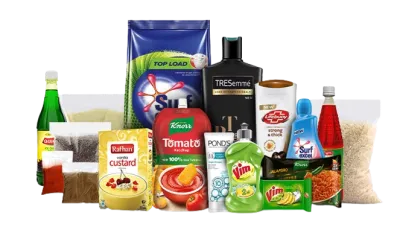

Hajj Month Groceries: Complete Family Planning Guide
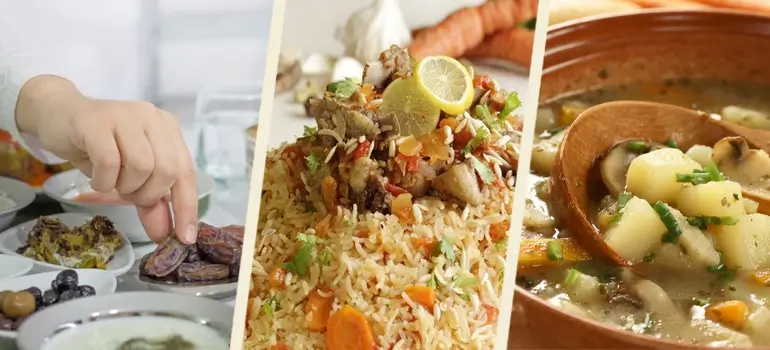
Every Year, Hajj Month Changes Everything
Every year, when Hajj month approaches, something shifts in Pakistani households. The rhythm changes. People travel for Umrah, extended families settle into different routines, and honestly, the whole country feels different. Your grocery list changes too — not just because of the spiritual significance, but because this month impacts how your family lives and eats day-to-day.
If you're planning hajj month groceries right now, you're probably wondering what stocks out, what costs jump, and how to manage meals when travel plans are uncertain. Here's what most families get wrong: they panic-shop when Hajj month hits, buying things they don't need and missing essentials. Instead of winging it, let's talk about what actually matters for smart shopping.
What Actually Happens During Hajj Month
Hajj month (Dhul-Hijjah) isn't just a religious observance — it completely shifts how families eat and spend. Some family members perform Hajj, others increase fasting, and everyone becomes more mindful about food. If you're in Islamabad or Rawalpindi, you notice it immediately: supply chains tighten, fruit prices shift, and the city's rhythm changes.
Here's what actually happens with hajj month groceries: supply chains get tighter because of pilgrimages, certain items become harder to source, and fresh produce prices fluctuate. Your family's eating patterns shift too. You need fewer dinner party supplies, maybe, but more basics — flour, oil, rice, spices — because people are home cooking more consciously.
The smart move? Plan your hajj month groceries ahead. Not just random buying, but thinking about what your household will actually eat, how many people will be home, and what won't spoil if plans change. You're not stocking a bunker. You're being strategic.
Essential Items to Stock for Hajj Month Groceries
Flour and Grains
Atta is something you never want to run short on. Buy extra — whole wheat and all-purpose if you use both. Buy in bulk. Rice too: basmati for regular meals, white rice for quick dinners. These don't spoil, and they're your foundation. In Rawalpindi and Islamabad, flour prices fluctuate with harvests, so lock in supply now.
Oil and Ghee
Pure ghee isn't optional in a Pakistani kitchen. Buy good quality — your biryani, parathas, vegetables taste completely different with proper ghee. Stock up on cooking oil too. It disappears quickly, and you don't want to be hunting for it mid-month.
Spices and Dry Goods
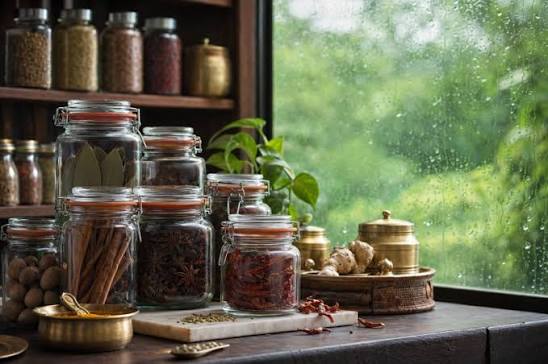
Don't overthink this. Buy spices you actually use: ginger-garlic paste, your curry blends, cumin, coriander, red chili powder. Get fresh stock. Dal, lentils, chickpeas — these become your protein base when meat prices spike. Buy extra. During Hajj month, when everyone's cooking more, spices run out fast.
Fresh Produce
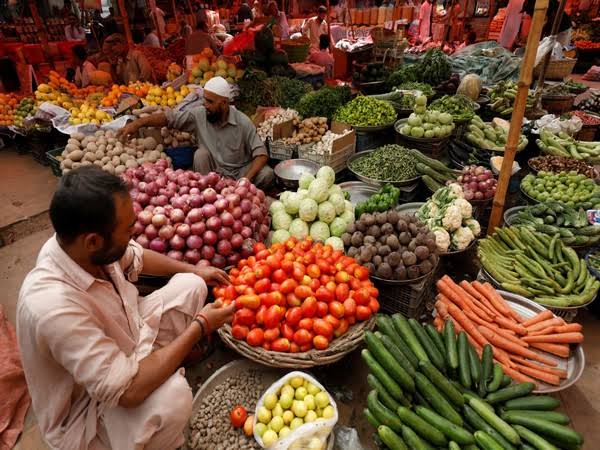
Here's my insider tip: don't stock fresh vegetables for a whole month. Plan two shopping trips weekly instead. What actually keeps? Potatoes, onions, carrots, tomatoes — these are your reliable players. Leafy greens spoil faster — plan meals around spinach and cabbage mid-week. Citrus lasts forever — get extra lemons, limes, oranges. They keep in a cool place for weeks.
Proteins
Meat is expensive during Hajj month. Real talk. Prices spike significantly. Buy weekly, not monthly. Frozen chicken stretches budgets if you're okay with it. Eggs are your best friend — cheap, flexible, filling, nutritious. Yogurt, paneer if your family eats it. These fill protein gaps affordably when meat becomes a luxury item.
Pantry Staples
Tea, milk, sugar, salt — the non-negotiables. Tinned tomatoes for quick curries. Jam, honey. Nuts and dried fruits for guests (they always drop by during Hajj month). Good biscuits for chai time.
Budgeting Your Hajj Month Groceries Smartly
Hajj month doesn't have to blow your budget. Actually, it should tighten it — you're eating simpler, more intentionally. Write down actual meals your family eats weekly, then multiply. If half your family travels during Hajj, your bill drops automatically. Buy less fresh stuff, more shelf-stable items. Focus on flour, dal, spices — these are your anchors.
Shop at your vegetable market once, maybe twice weekly. In Islamabad, F-10 Markaz is stable and reliable. Rawalpindi's Sunday Bazaar — avoid it during Hajj month honestly. The crowds are worse, and quality can be hit or miss. Plan ahead instead. Smart hajj month groceries buying isn't bulk-buying thirty kilos of tomatoes. It means stocking extra flour, oil, spices, dal. Fresh items in smaller quantities, more often. You'll waste less, spend smarter, and eat better.
Simple Meal Planning for Hajj Month
Plan simple, nourishing meals. Khichdi, pulao, simple curries, lentil soup, rice and daal, vegetables with roti. These meals fit the month's mood. They're humble, satisfying, and don't need complicated ingredients or fancy grocery hauls. Breakfast stays simple: toast, eggs, yogurt, fruit. Lunch is yesterday's dinner — no fuss. Dinner gets your attention. One good biryani weekly, simple curries other days.
Batch cooking saves you. Make dal on Sunday, it lasts three days. Same with vegetable curry. You're cooking less, buying smarter, feeding your family better. Your hajj month groceries should support this natural rhythm, not fight against it. And honestly? Simpler meals feel right during this month anyway.
Making It Work
Planning your hajj month groceries isn't complicated — it's just intentional. Buy staples, plan meals around what spoils quickly, shop more frequently for fresh items, avoid panic-buying. Your family eats well, your budget works, you're less frazzled when the month hits.
Many of these essentials are available online. You can get fresh produce and staples delivered through FreshBox. Whether you shop yourself or use a service, the principle remains: plan ahead, buy smart, cook with intention during this blessed month.
Ready to start eating healthy?
Browse our selection of fresh produce and groceries, delivered to your doorstep in minutes.
Start Shopping
Written by
Faisal ShehzadFaisal Shehzad writes practical, locally-grounded guides on groceries, seasonal produce, nutrition and home cooking for households across Islamabad and Rawalpindi.
View all articles →