
Healthy Bakra Qurbani: Choosing Quality by Budget & Meat Type
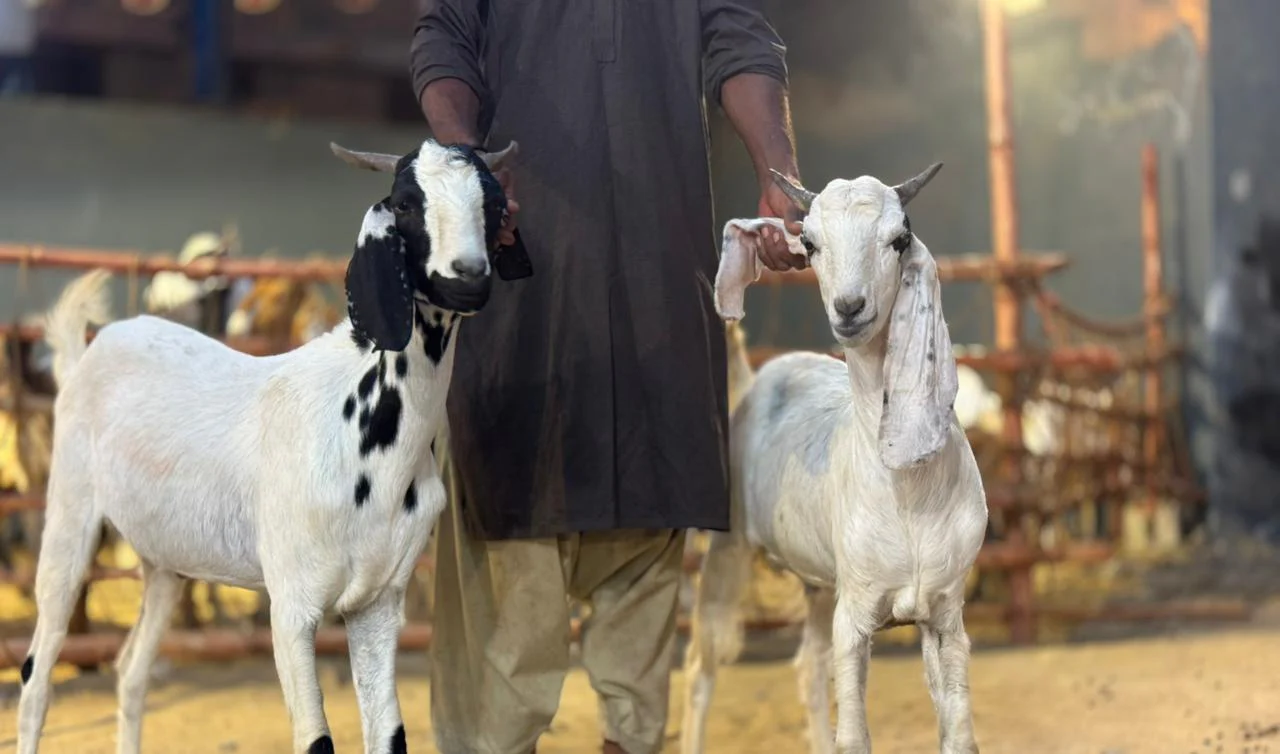
Healthy Bakra Qurbani: Making the Right Choice for Your Eid
Qurbani season hits, and suddenly you're supposed to be an expert at picking between bakras and sheep. You're standing in the middle of some farm outside Rawalpindi, surrounded by bleating animals, trying to figure out what makes one "healthy" and why your neighbor insists his costs twice as much. Real talk: most of us just point at whatever looks biggest and hope it doesn't embarrass us in front of the butcher.
Here's the thing: choosing a healthy bakra qurbani isn't complicated, but it does matter — both for the ritual and for the meat quality you'll get afterward. And if you're dropping serious money on this, you might as well know what you're actually paying for instead of just guessing.
Why Bakra Matters More Than You Think
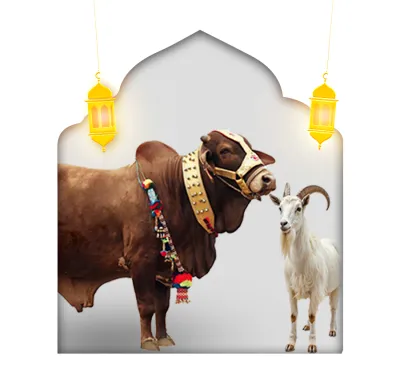
Look, every family has their own bakra-versus-sheep debate. Your uncle swears by sheep for the meat taste. Your mother wants a bakra because "the sacrifice means more." Your cousin has completely opposite views. But here's what actually matters: a healthy bakra qurbani gives you genuinely better meat, yes — but also ensures the animal lived decently and can fulfill the ritual requirement properly.
The Islamic guideline is simple: the animal must be healthy and without defect. But that's not just religious instruction. It's practical. An unhealthy animal gives you tough, stringy meat that won't cook right. Your biryani turns out rubbery. Your nihari never breaks down. You'll regret it with every single bite for weeks.
What "Healthy" Actually Looks Like
Forget the Instagram-perfect animal with dramatic horns. You're looking for specific signs.
First, the eyes. They should be alert and bright — not dull, not watery, not sunken. A bakra with dead eyes is usually hiding something. Move on.
Second, the coat. Run your hand over it. It should be thick and well-maintained, not scraggly or patchy. Bald spots usually mean malnutrition or disease. And yes, you should absolutely do this — don't be shy about touching the animal. Good sellers expect it.
Third, watch them move. A healthy bakra qurbani walks smoothly without limping or dragging back legs. Watch it stand up from lying down. If it struggles, that's a red flag. You want smooth, confident movement showing strength.
Check the gums. They should be pink, not pale. Pale gums often mean anemia or malnutrition. Look inside the mouth quickly — the seller might think you're odd, but that's their problem. The teeth should be strong.
And here's an insider tip nobody mentions: ask about diet. Was this bakra raised on actual pasture and quality feed, or kept in a cramped cage and fattened cheaply? The meat flavor difference is dramatic. Animals with real grazing time and balanced nutrition produce noticeably better meat — more tender, better flavor, cooks differently.
Bakra vs Sheep: The Meat Quality Difference
Bakra meat is leaner. Sheep meat is fattier and slightly gamier. That's basically it.
For nihari and slow-cooked curries, many people prefer sheep because the fat creates better flavor. For kebabs and grilled preparations, bakra wins because it's leaner. But this is personal preference — don't let anyone convince you one is objectively "better."
What matters more than species is that healthy bakra qurbani meat from a well-fed animal will be tender and flavorful regardless of what you're making. A poorly-raised sheep tastes worse than a well-raised bakra. Always.
Budget Reality Check
Bakras are typically cheaper than sheep, but prices vary wildly in Islamabad and Rawalpindi depending on size, age, and how close you are to Eid. A good quality bakra in April costs 20,000 to 35,000 rupees. By late May or early June, you're looking at 35,000 to 50,000+ depending on size.
Don't just grab the cheapest option. A cheap bakra is cheap for a reason — it's usually smaller, younger, or less healthy. Spend maybe 10-15% more than the bare minimum and you'll notice the difference in meat quality.
Sheep prices run 30-40% higher across the board. You're paying for the weight and meat quality. If budget is your main concern, a medium-sized healthy bakra answers your need. If meat quality matters most, invest more in a larger bakra or go for sheep.
The Market Inspection Guide
This applies whether you're at the main cattle market near F-10, Sunday Bazaar, or someone's farm.
Bring someone who knows animals if you can. Your cousin who grew up in a village, your neighbor who raises livestock — anyone with experience. They'll spot problems you'd miss.
Ask direct questions. How old is this bakra? One year or two? What's it been eating? Has it been sick recently? Good sellers answer directly. Sketchy ones get defensive.
Negotiate, obviously. Pakistani bazaar culture expects it. But negotiate fairly — don't lowball by 30% and expect respect.
And get it checked by someone trustworthy before you commit. A veterinarian is ideal, but even a butcher who knows their stuff can tell you whether this animal will give good meat.
Timing and Logistics in Islamabad and Rawalpindi
The main cattle market near F-10 is your biggest option, but timing matters. Go early — 6 to 7 AM — before the best animals get picked over and before midday heat stresses everything out.
If you're buying earlier in the season, March or April, you'll have better selection and lower prices. But most families wait until late May, which creates chaos and inflated prices. Your call.
And honestly? If you don't want to wade through crowds and negotiations, you can order online these days. FreshBox delivers bakras pre-selected and health-checked. Not as traditional as the bazaar experience, but significantly less stressful if you prefer avoiding the chaos.
The Real Test
After all the checking and comparing, here's what it comes down to: when you're eating qurbani meat days later, the difference between a healthy bakra qurbani and a poorly-selected one becomes obvious. Better texture, better flavor, meat that actually cooks down properly instead of staying tough.
So spend the time. Ask the questions. Don't just buy whatever's in front of you. Your biryani deserves better.
Ready to start eating healthy?
Browse our selection of fresh produce and groceries, delivered to your doorstep in minutes.
Start Shopping
Written by
Faisal ShehzadFaisal Shehzad writes practical, locally-grounded guides on groceries, seasonal produce, nutrition and home cooking for households across Islamabad and Rawalpindi.
View all articles →