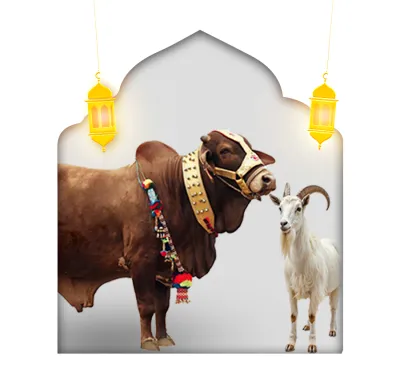

Healthy Qurbani Animal Signs: The Mandi Inspection Checklist
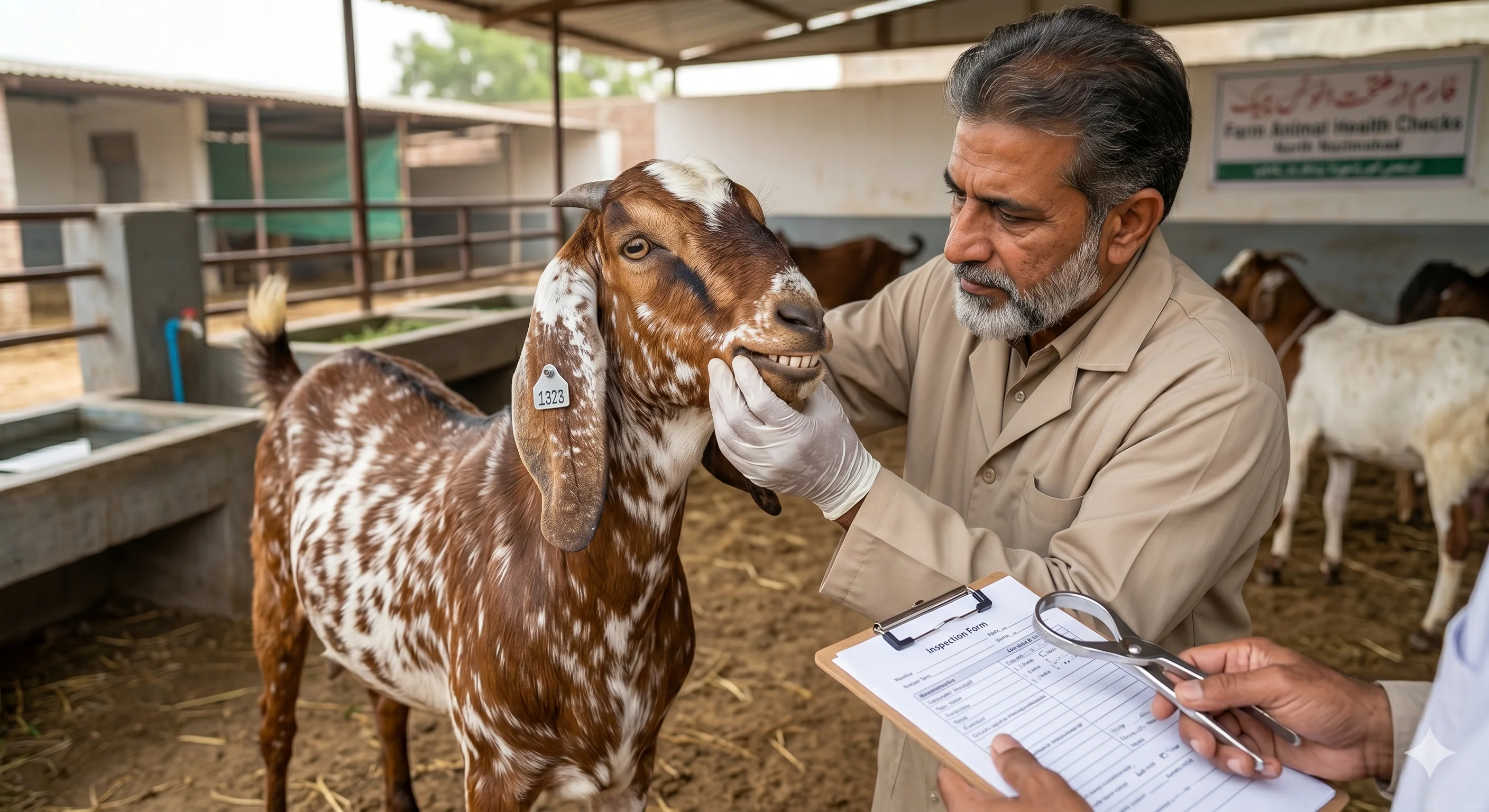
You're standing in the mandi, surrounded by bleating goats and cows, and honestly, they all kind of look the same to you. Your uncle is pointing at legs like he's assessing a racehorse. Your mom is negotiating price with three different sellers. And you're standing there, sweating through your shalwar kameez, thinking: how do I actually know if this animal is healthy? Because buying the wrong one is going to wreck your Eid celebrations, your budget, and your entire family's faith in your judgment.
Here's the reality — not everyone selling at the mandi has your best interests at heart. Some animals are sick, some are underfed, and some are just... tired. Knowing healthy qurbani animal signs before you buy isn't just smart, it's essential. You need to walk in there like you know what you're doing. Because you actually will, after this.
What Exactly Are We Looking For?
Real talk: buying a qurbani animal isn't like buying vegetables at the F-10 market where you can return it if something's wrong. This animal is going to feed your entire extended family. It's Eid. So you need to know what healthy qurbani animal signs actually look like.
A healthy animal should be alert, responsive, and standing steadily. It should have clear eyes — not cloudy, not runny, not dull. Its coat should be glossy and clean (or as clean as a mandi animal can be), not patchy or matted. Its legs should be straight and strong, and when it walks, it should move with confidence, not limp or shuffle around like it's exhausted.
The Eyes Never Lie
Look directly at the animal's eyes. This is the first thing I check, every single time. Healthy qurbani animal signs start with the eyes — clear, bright, alert. If they're watery, crusted, or cloudy, that's a red flag. Those eyes tell you if the animal has been sick or is currently fighting an infection.
Cloudiness especially worries me. It can indicate fever or a respiratory issue. You don't want to bring home an animal that's already struggling. The whites of the eyes should be white, not yellow or red.
Coat and Skin Check
Run your hand along the animal's body. Yes, actually touch it. The coat should feel smooth and dense, not thin or mangy. If there are bald patches, excessive scratching, or sores, walk away. These signs suggest malnutrition, parasites, or skin disease.
A dull, rough coat usually means the animal hasn't been eating well or has been sick. The mandi is dusty and chaotic, sure, but a truly healthy animal's coat should still shine underneath all that.
Legs, Hooves, and Movement
This is where I spend the most time inspecting. The legs are everything. Straight, not bowed. Thick and muscular, not thin or spindly. When you see the animal walk, it should move smoothly, not limp or drag a leg. If it's favoring one side or moving stiffly, there's something wrong.
Check the hooves too. They should be clean and intact, not cracked or overgrown. A goat with bad hooves is going to be in pain, and stressed animals don't perform well.
Here's an insider tip most people don't do: squat down and look at the animal from the side. You get a better sense of its overall build and muscle development this way. You're checking for depth in the chest and a round belly that indicates good nutrition, not a sunken frame.
The Breathing Test
Watch how the animal breathes, especially if it's warm outside. The breathing should be normal and calm, not rapid or labored. Excessive panting, wheezing, or coughing are serious signs of respiratory problems. This is one of the most overlooked healthy qurbani animal signs, but it's crucial.
I once saw someone buy an animal with a persistent cough at the Sunday Bazaar in Rawalpindi. It was obvious the animal had a chest infection. They paid full price anyway because they liked the size. Ended up being a waste of money.
Overall Body Condition
The animal should have a good weight on it, but not fat. Healthy qurbani animal signs also include good muscle tone. Run your hands along the ribs — you should be able to feel them but not see them prominently. If you can see every rib poking out, the animal is underfed. If you can't feel the ribs at all under thick fat, it might be bloated from poor quality feed.
The belly should feel firm, not swollen. A swollen belly can indicate parasites, bloating, or digestive issues.
Temperature and General Behavior
A healthy animal should have normal body temperature (around 38-39°C for goats, slightly higher for cows). You can't really check this at the mandi without a thermometer, but if an animal feels unusually hot or cold to the touch on its ears or nose, that's worth noting.
More importantly, the animal should be responsive and calm but alert. It shouldn't be overly aggressive, overly passive, or acting strangely. Behavior changes often indicate illness.
Questions to Ask the Seller
Once you've done your physical inspection, ask the seller directly. How old is the animal? Has it been sick recently? Has it been eating well? Is it vaccinated? A honest seller will answer these questions straightforwardly. If they're vague or defensive, that's your signal to keep looking.
Ask for an animal that's at least 2-3 years old for goats, older for cows or buffalo. Younger animals haven't fully developed and won't yield the same quality meat.
Don't Rush the Decision
The worst mistake people make is rushing. You're going to see 20 animals, and they're going to blur together. Take your time. Compare prices but don't let price alone drive your decision. A cheaper animal with health problems is not a bargain.
Walk around the mandi. Look at multiple animals. See what "healthy" actually looks like in person so you develop an instinct. Trust your gut — literally, if something feels off about an animal, it probably is.
The Bottom Line
Knowing healthy qurbani animal signs means you walk into the mandi with confidence and knowledge. You're not relying on your uncle's shaky assessment or the seller's smooth talk. You know what to look for, and you know what to avoid.
And honestly, the peace of mind is worth it. There's nothing worse than bringing home an animal that's going to cause problems during Qurbani. You want quality meat for your family, and that starts with choosing the right animal from the start.
If you need other supplies for your Eid celebration — spices, ghee, fresh produce for your side dishes — you can get them delivered via FreshBox.
Ready to start eating healthy?
Browse our selection of fresh produce and groceries, delivered to your doorstep in minutes.
Start Shopping
Written by
Faisal ShehzadFaisal Shehzad writes practical, locally-grounded guides on groceries, seasonal produce, nutrition and home cooking for households across Islamabad and Rawalpindi.
View all articles →