
Hot Weather Food Storage for Islamabad's Humid Summers
Why Your May Groceries Don't Last Three Days
Here's what nobody tells you about Islamabad summers: buying groceries on a Sunday and watching them turn to mush by Tuesday isn't luck—it's physics. May humidity hits different. The kind that makes your hair curl, your shirt stick, and apparently decides your vegetables don't deserve to exist past seventy-two hours.
Look, I've done the math (okay, not really). Islamabad's May humidity climbs to 70–80%, sometimes higher near Rawalpindi. That's not uncomfortable—that's a greenhouse nobody ordered. Your vegetables think they're at a spa, absorbing moisture and turning brown faster than you can say Sunday Bazaar.
The real problem? That plastic bag from the market. You know the one—flimsy, thin, absolutely useless at protecting anything. It traps moisture against your tomatoes, lettuce, and bell peppers like a sauna suit. By day two, you're not storing groceries. You're composting them on your kitchen shelf.
The Storage Hacks That Actually Work
Real talk: most of us didn't grow up buying groceries three times a week like we do now. Your grandmother had a cool room, clay pots, and didn't need a spreadsheet to track what vegetable was what. She also didn't have May humidity competing with a non-functional air conditioner at 2 PM.
The Paper Towel Wrapper Method
This one sounds too simple, but it's genius. Get paper towels—or old newspaper if you're feeling traditional. Wrap your leafy greens loosely in paper towels, then pop them in a container with a loosely fitting lid. The paper absorbs excess moisture instead of letting it puddle around the leaves. Your greens last five to seven days instead of three.
It's not complicated. It's just physics working in your favor for once.
The Breathable Container System
Those fancy perforated vegetable containers exist for a reason. If you don't have them, use cardboard boxes with air holes or plastic take-out containers with a few holes poked in the lid. Let air circulate while moisture doesn't pool. Tomatoes go in one container, cucumbers in another, bell peppers in a third. Separate everything.
They release different gases. Cross-contamination means your entire batch ripens or rots at the same aggressive pace.
The Lower Shelf Rule
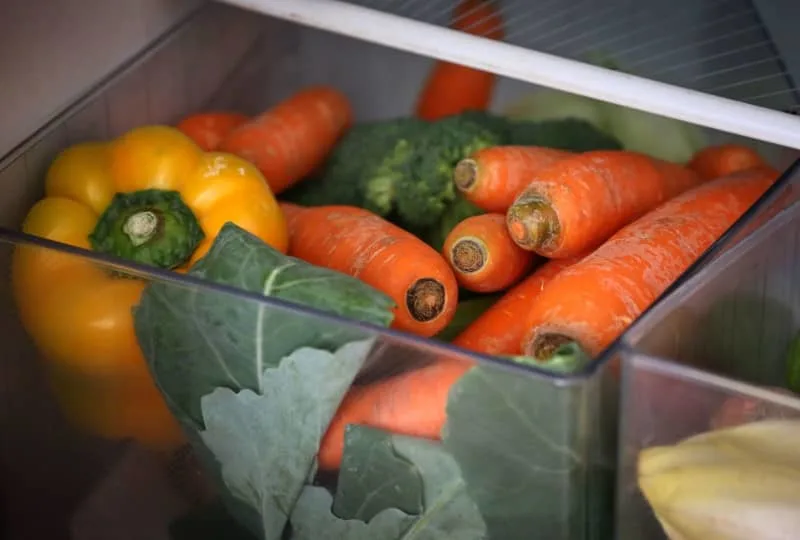
Your refrigerator's crisper drawer exists. May is exactly when you need to use it properly. This is where temperature and humidity are slightly cooler and more stable. Put your vegetables there. Yes, you actually have to remember it. No, the door shelves aren't the place for fresh produce—temperature fluctuates every time someone grabs ketchup at 2 AM.
The Separate Fruits and Vegetables Thing
Bananas, mangoes, and apples release ethylene gas. Tomatoes, cucumbers, and lettuce don't appreciate it. Keep them on different shelves or in different containers if you're living small-space life. Your mango ripens at its own pace. Your lettuce doesn't spontaneously age five years because a banana was nearby.
What You're Doing Wrong Right Now
You're probably still bringing groceries home in plastic bags and wondering why everything tastes like sadness by Thursday. I get it. The vendor hands it to you, you take it, you dump everything on the kitchen counter like it's a display.
Stop.
That single decision kills everything. The counter—your beautiful, sunlit kitchen counter—is basically a dehydration chamber in May. Sunlight, air exposure, and ambient heat are conspiring against your vegetables. Even in air-conditioned kitchens, the counter is hotter than the fridge. Everything goes into cold storage immediately. Not later. Not after chai. Now.
And don't buy pre-cut vegetables in the market. I know it's convenient. Those carrots, cucumber slices, and potatoes were cut hours ago. They've already started losing moisture and nutrients. In May, borrowed time is approximately four hours.
Yogurt, Milk, and Things That Need a Real System
Yogurt is special in Pakistani kitchens—some of us make it fresh, some buy it, all of us take it seriously. But May humidity plus a yogurt container sitting on the counter is a recipe for curdling or mold that appears overnight.
Yogurt stays in the coldest part of the refrigerator. The back. Not the door. The door is the warmest part of the fridge, yet everyone stores temperature-sensitive stuff there. Milk gets the same treatment. Buttermilk, condensed milk, all of it.
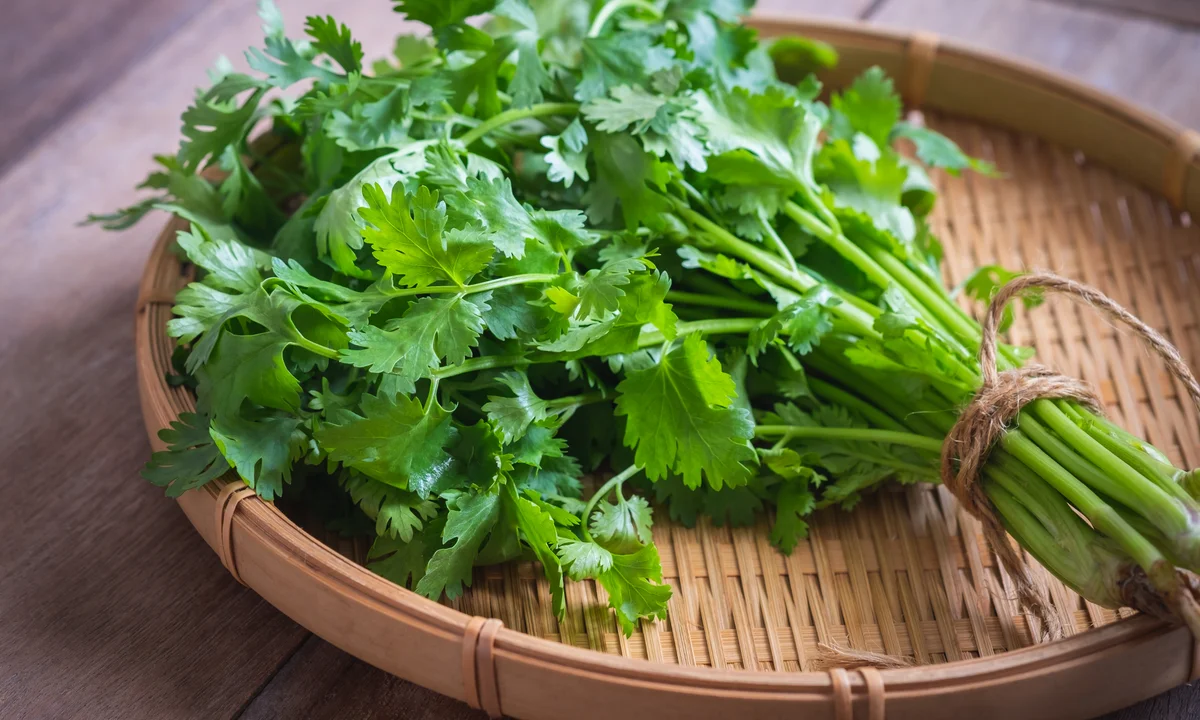
Fresh herbs are a whole different problem. Coriander, mint, parsley—they wilt in May like they're personally offended by the humidity. Wrap them loosely in damp paper towels, stick them in a container, and refrigerate. They'll last almost two weeks instead of turning into a black heap after three days.
The Insider Tip Nobody Talks About
Here's something they don't advertise: your freezer is your friend in summer. I'm not talking about frozen vegetables—those are fine but kind of miss the point. I'm talking about freezing fresh herbs in ice cube trays with a little water. Mint, coriander, parsley, even green chillies. You get fresh flavor whenever you need it, and nothing goes bad because it's already preserved.
Bread also deserves a mention. May humidity makes bread go stale or moldy faster than monsoon season. Keep your bread in the freezer for anything you're not eating immediately. Defrost a roti or slice as needed. Yes, this requires thinking ahead. Yes, it's worth it.
The Things That Really Don't Keep
Let me be honest about what's a losing battle in May. Leafy greens bought from the Sunday Bazaar? Three days maximum, even with storage hacks. Soft fruits like berries? Buy them only if you're eating them that day. Fragile vegetables like bitter melon or bottle gourd? They're better the day you buy them.
This isn't failure on your part. This is May. This is Pakistan. Some things are seasonal, and some seasons are brutal to certain groceries. Accept it and plan accordingly.
Make Your Grocery Runs Count
The real solution isn't genius storage—it's strategic shopping. In May, buy less, buy more frequently. Skip the Sunday haul that's supposed to last until Thursday. Go to the market twice a week. Buy what you'll actually use in three days, and accept that your shopping routine is different in summer than winter.
If you're in Rawalpindi near F-10 Market, the heat is just slightly less unbearable than central Islamabad. Adjust accordingly. The heat is part of the calculation, not something you'll overcome with storage tricks.
You can order fresh produce delivered via FreshBox, which eliminates the transportation time and heat exposure between the market and your kitchen—that gap where your vegetables start dying before you even get home.
The Real Talk About Hot Weather Food Storage
May humidity isn't something you beat. It's something you work with. Better hot weather food storage doesn't mean your vegetables last forever—it means you're not throwing half away. It means your family eats better because things aren't spoiling and you're not making extra trips because you planned poorly.
Your groceries deserve respect. Treat them like the perishable goods they are, not like decorations for your counter. That's the actual hack—respecting the season and adapting to it. Everything else just follows from there.
Ready to start eating healthy?
Browse our selection of fresh produce and groceries, delivered to your doorstep in minutes.
Start Shopping
Written by
Faisal ShehzadFaisal Shehzad writes practical, locally-grounded guides on groceries, seasonal produce, nutrition and home cooking for households across Islamabad and Rawalpindi.
View all articles →