
Hot Weather Grocery Shopping: Why Weekly Beats Monthly
You know that feeling when you open the fridge on a Thursday afternoon, and your cilantro is already brown? Your tomatoes have those weird soft spots. The yogurt has that smell that makes you go "absolutely not." Yeah. That's hot weather grocery shopping's favorite sabotage move.
Here's the thing: in Islamabad and Rawalpindi, the way you shop for groceries changes completely when summer hits. You can't do the monthly stock-up like you might manage in November or December. Absolutely can't. The thermometer doesn't care about your weekend plans or bulk discounts. It's just here to slowly destroy everything in your fridge while you're going about your life.
And honestly, once you understand this, it changes how you approach seasonal grocery shopping entirely. It's not about discipline or fancy storage hacks. It's about math.
Why Weekly Beats Monthly in Hot Weather
When temperatures hit 38-40°C, your groceries are on a countdown timer from the moment you bring them home. Produce wilts faster. Dairy spoils earlier. That head of lettuce that lasted two weeks in cool weather? By June, it's brown by day four. That's not a pessimistic prediction—that's what actually happens.
Weekly hot weather grocery shopping isn't a luxury—it's pure math. You buy less. It sits around less. You actually eat fresher food. The cilantro you bought on Saturday is still green on Wednesday. Buy it Monday for Friday's meal? It becomes the texture of regret.
And here's what nobody really talks about: shopping weekly actually cuts your food waste dramatically. You buy tomatoes for the curry you're making that week, not for some vague future cooking day that might never happen. You grab spinach for Thursday's lunch, not three weeks of "maybe I'll make a salad." You buy exactly one bunch of parsley because you know what you're using it for.
This is genuinely huge for your household budget. Your food waste goes down. Your money doesn't get wasted on things that rot. Your fridge stays manageable instead of becoming this graveyard of wilted vegetables and expired yogurt.
The Produce Problem in Summer
Let's talk specifics about what dies fastest in summer heat, because it matters. Leafy greens—spinach, lettuce, cilantro, parsley—these are basically counting down the moment you get them home. By day three, they're not happy. By day five, they're tragic.
Tomatoes are dramatic. They get soft, they leak, they develop brown spots overnight. If you're buying tomatoes for something you're making next week, just don't do it. Buy them two days before you actually need them, maximum.
Berries last maybe four days before mold decides to move in. Bananas ripen insanely fast. Friday bananas are brown-spotted by Sunday morning. It's almost funny how fast it happens.
Here's an insider tip from shopping at markets three times a week: buy your delicate stuff on the day or the day before you'll use it. Your Thursday shopping might be for rice and oils for the whole week, but the fresh herbs and greens? Buy those Friday evening or Saturday morning for Saturday's cooking. I know it sounds like extra effort, but your food tastes noticeably better and nothing gets wasted in the end.
The Pantry Problem
It's not just your fridge items getting destroyed. Heat messes with your entire pantry, and people don't talk about this enough.
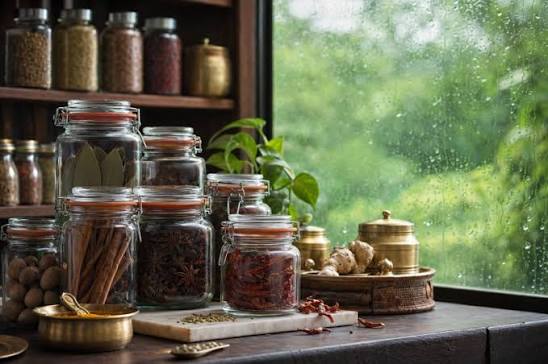
Oils separate and go rancid faster in 40°C heat. Mustard oil, ghee, olive oil—they're all aging faster. Spices lose their flavor quicker than in winter. Flour gets clumpy in the humidity. Your entire spice rack is quietly losing potency if it's sitting in a warm cupboard for weeks.
Weekly shopping helps here too. You're not buying three months of oil and watching it slowly degrade in your kitchen. You're buying what you'll actually use in one or two weeks. Your spices stay potent. Your oils taste fresher, not slightly off.
Storage Tricks That Actually Work
Okay, so you're committed to weekly hot weather grocery shopping. But how you store things matters just as much as how often you shop.
Produce goes in the vegetable drawer, yes, but here's the real trick: buy less and use it faster. When you get home, wash your leafy greens immediately, dry them completely, then store them in a breathable container with a paper towel to absorb moisture. That one thing—the paper towel—extends their life by several days. It's not glamorous, but it works remarkably well.
Tomatoes don't go in the fridge until they're completely ripe. Once they're soft, refrigerate them, but eat within two days. Potatoes and onions live in a cool dark cupboard, not the fridge. But if your kitchen stays above 35°C in peak summer, move them to the vegetable drawer instead.
Dairy is the scary category. Milk, yogurt, paneer—they're all on a shorter clock in Pakistan's summer heat. Buy smaller quantities. Always check the date before buying. If it's already past the first week of its shelf life, skip it and find something fresher.
The Practical Reality
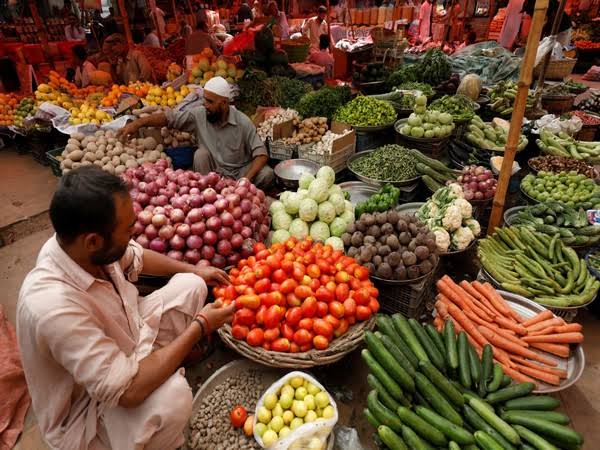
This isn't theory. Come May and June in Islamabad, every experienced cook is doing exactly this—shopping weekly or even twice weekly for fresh produce. The chaos at the Sunday Bazaar? It exists partly because people are buying fresh every week, not stockpiling for a whole month.
It's actually less stressful once you accept it. Instead of a big shopping trip where you're trying to predict what you'll eat for four weeks, you shop once a week with what you're actually cooking. You know Thursday's biryani needs fresh mint? Buy it Wednesday. You're making salad on Tuesday? Get the cucumber Monday.
Shopping early morning or early evening becomes your routine. It's actually less hectic than one chaotic monthly expedition where you're running through the market stressed.
Making It Work
Here's the real shift: stop thinking of grocery shopping as a monthly chore you want to finish quickly. Think of it as weekly, buying specifically for what's on your calendar that week.
You'll spend roughly the same amount of money—maybe even slightly less because you're not buying in bulk for things to spoil. Your food tastes fresher. Your kitchen smells better. You're not throwing away brown cilantro on Friday.
For hot weather grocery shopping in Pakistan, weekly isn't a choice—it's how you get produce that's actually fresh. You can fight the heat, or you can work with it. If you want to skip the market chaos, you can order fresh groceries on FreshBox and shop on your own schedule.
Ready to start eating healthy?
Browse our selection of fresh produce and groceries, delivered to your doorstep in minutes.
Start Shopping
Written by
Faisal ShehzadFaisal Shehzad writes practical, locally-grounded guides on groceries, seasonal produce, nutrition and home cooking for households across Islamabad and Rawalpindi.
View all articles →