
How to Explain Qurbani to Children: Stories & Recipes
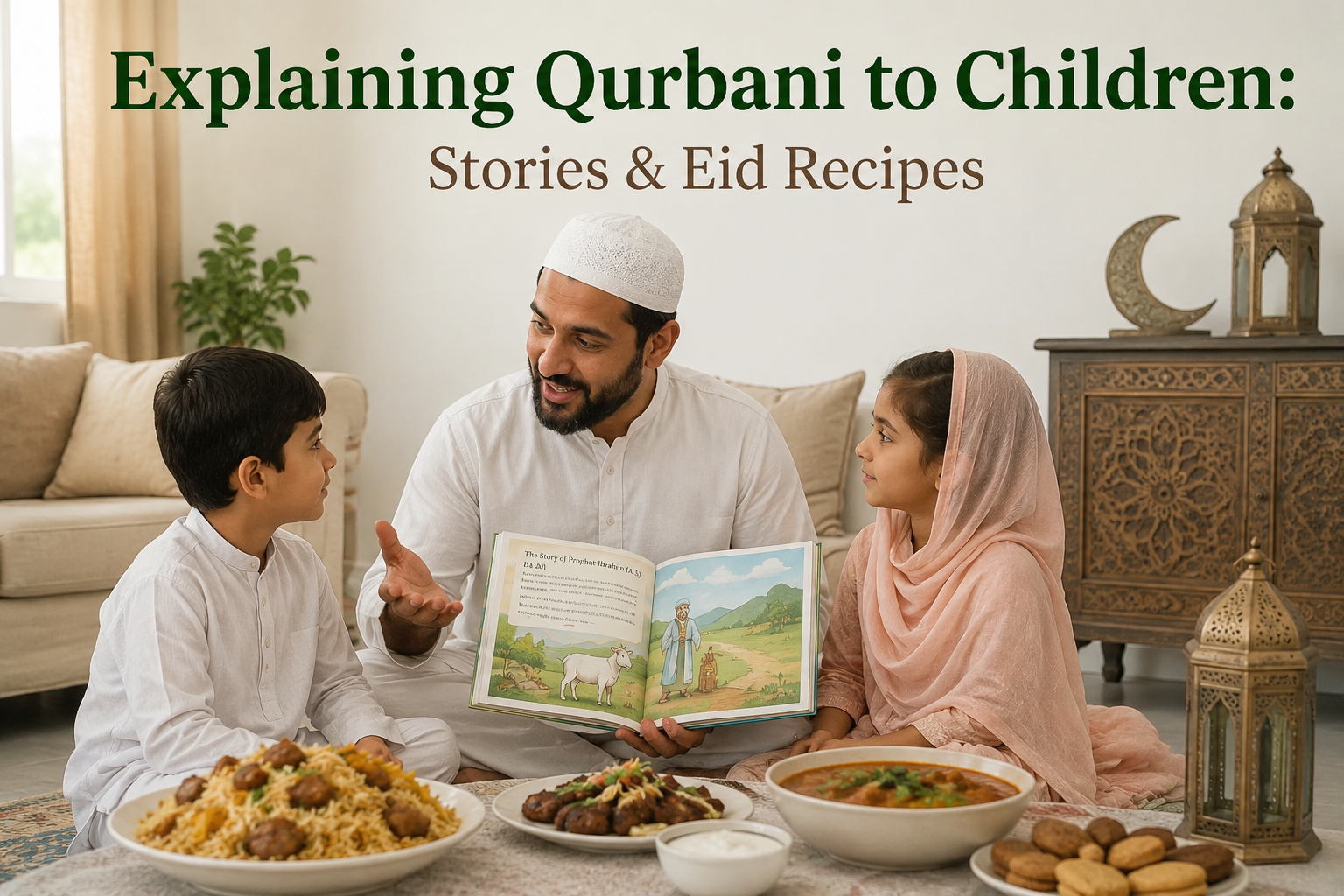
Explaining Qurbani to Children: Stories & Eid Recipes
Your five-year-old asks why there's meat being distributed in the neighborhood. Your teenager scrolls past a news story and asks what Qurbani is about. And you're standing there thinking: how do I actually explain this without making it sound terrifying?
Look, explaining Qurbani to children isn't about glossing over the hard parts or pretending it's something it's not. It's about helping them understand why this matters in Islam, why their grandparents take it seriously, and how it connects to their own values — generosity, sacrifice, thinking of others.
Why Kids Need This Conversation Now
Here's the thing: if you don't explain Qurbani to children thoughtfully, kids fill in the blanks themselves. And their imaginations usually go to the wrong place. They see the meat, they hear the word "sacrifice," and suddenly they're scared or confused about what's happening in their own neighborhood.
Starting early — even with little kids — helps them understand it's not random violence. It's a religious practice with centuries of meaning. It's about obedience, trust, community. These are concepts children can grasp if you frame them right. You don't need to wait until they're teenagers. Even a six-year-old can understand the basic story if you tell it simply.
The Prophet Ibrahim Story: How to Tell It Right
Kids love stories. So start there.
"A very long time ago, there was a man named Ibrahim. He loved God more than anything, and God loved him so much that He tested him in a special way. God asked Ibrahim to do something really hard — something that would show how much Ibrahim trusted God." Keep it simple. No graphic details. No fear-mongering language.
Ibrahim agreed because his faith was so strong. When he was ready to do what God asked, God stopped him and gave him an animal to sacrifice instead. This showed that God values obedience and trust more than anything else. The point? Ibrahim's willing heart. Not the actual sacrifice. That's the lesson that sticks with kids.
Real talk: when you emphasize the willingness and the trust, kids connect it to things they understand — listening to parents, keeping promises, doing hard things because you believe they matter.
Making Sense of Qurbani for Modern Kids
Your kids know about giving. They share toys. They donate old clothes. Build from there instead of starting with the scary part.
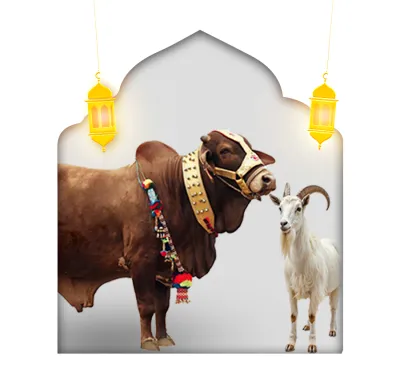
When you explain Qurbani to children, start with generosity and sharing, not sacrifice. "Qurbani is Islam's way of remembering Ibrahim's story and showing gratitude to God. When families sacrifice an animal, they share the meat with people who need it — family, friends, neighbors, and people who don't have enough. It's about being generous. It's about remembering that we should care for each other." Use words like "generous," "sharing," and "community" instead of focusing on the sacrifice itself. Kids understand generosity. They get why sharing matters.
Connect it to their own experiences. "Remember when we gave those clothes to cousin's family? That feeling of helping? That's what Qurbani is about, but bigger."
Cooking Qurbani Recipes Together: Making It Real
This is where understanding becomes action.
During Eid, cook traditional dishes together. Make nihari, seekh kebabs, haleem, or biryani. Let them help with the prep. Mix spices. Pound meat. Roll kebabs. The activity makes it tangible and fun instead of abstract and scary. "This is how families celebrate together. This is the food we share. This is what generosity looks like," you're showing them, not just saying it.
When kids cook with the meat from Qurbani, they stop seeing it as an abstract religious ritual. They see it as the foundation of a meal they're making for people they love. That shifts everything. They're not thinking about the sacrifice anymore — they're thinking about the biryani their grandmother loves or the seekh kebabs the cousins are excited to eat.
Here's a real insider tip: involve them in the actual distribution if they're old enough. Even dropping off a container of biryani at a neighbor's house or helping deliver meat to extended family teaches more than any explanation could. They see the faces of people receiving it. They hear the thanks. That's when it clicks.
Answering the Tough Questions
"Why do animals have to die?" This one always comes up.
Be honest. "Yes, an animal's life ends. And that's serious. That's why Qurbani is a big deal — not something we do casually. It's a way of thanking God and remembering that animals give us food." Don't be graphic. Don't be vague either. You're acknowledging something real without making it traumatic.
"Doesn't it hurt the animal?" Yes, it matters how it's done, which is why Islamic law is specific about doing it humanely and quickly by someone trained to do it properly. You're not trying to convince them it doesn't hurt. You're acknowledging that taking a life has weight, and that's actually the whole point of taking it seriously.
Making These Conversations Stick
Talk about Qurbani in the weeks leading up to Eid. Not just on Eid day itself. Ask them questions throughout. "What do you think sacrifice means?" "Who in our family might be happy to receive Qurbani meat?" "What makes a good deed?" Let them think out loud.
Read children's books about Ibrahim if you can find them. Search for age-appropriate versions. Watch short Islamic videos together designed for kids. The more exposure they have to the story and the message, the more it becomes part of their framework.
And here's what matters most: be sincere. Kids sense fake explanations immediately. If you explain Qurbani to children with genuine belief in what you're sharing, they'll absorb that authenticity. If you're just checking a box, they'll know.
Practical Prep for Eid
In the days before Eid, take kids shopping. Let them pick vegetables for the dishes you'll cook together. Show them the market — the energy, the organized chaos near the vegetable stalls in F-10 market in Islamabad, the way everyone's preparing at once. Make it an experience, not a chore.
Prepare your kitchen together. Talk about what you're going to make. Plan who gets which dishes. Make your kids part of the logistics. When kids feel included in the planning, the actual Eid celebration feels less overwhelming and more joyful.
One More Thing
This conversation isn't about forcing them to love Qurbani or to feel the same way you do. It's about giving them information, context, and values to build their own understanding. Some kids will ask tough questions for years. Some will need different explanations at different ages. That's normal.
Keep the door open for more questions. Answer honestly. Build on their stories and their values. Connect Qurbani to concepts they already understand — family, generosity, remembering those who matter, gratitude. And when you cook together, share those recipes, and distribute meat to neighbors, you're teaching something no explanation ever could.
If you need fresh vegetables or quality ingredients for the Eid feast during the busy season, you can order everything from FreshBox and focus on the cooking and conversations that matter.
Ready to start eating healthy?
Browse our selection of fresh produce and groceries, delivered to your doorstep in minutes.
Start Shopping
Written by
Faisal ShehzadFaisal Shehzad writes practical, locally-grounded guides on groceries, seasonal produce, nutrition and home cooking for households across Islamabad and Rawalpindi.
View all articles →