
How to Ripen Mangoes: Kitchen Hacks for Islamabad Heat
Ripening Mangoes in Islamabad Heat: Kitchen Hacks That Actually Work
Looking at the mango season here in Islamabad — late April through June — it's a mixed blessing. The fruit arrives at markets in every stage of ripeness imaginable, and if you've picked up unripe mangoes, the Islamabad heat doesn't speed things up the way you'd think. Turns out, air conditioning and modern storage methods have completely changed how long ripening takes.
Here's the thing: I used to assume you'd just leave mangoes on the counter and they'd magically become sweet in a few days. That worked in my mother's house growing up, but these days, with every room air-conditioned and power outages throwing off the schedule, ripening requires actual strategy. Store-bought tricks don't always work for our local varieties either.
So I've tested everything over the past few seasons. Brown paper bags, rice, flour, newspaper, newspaper wrapped mangoes in boxes, onions (yes, really), sunny windowsills, and even the strange old trick of putting them near tomatoes. Some methods work beautifully. Some are complete nonsense. And some require the patience of a saint. Here's what I've learned about how to ripen mangoes properly in our climate.
Why Ripening Mangoes in Islamabad is Different From Other Places
The Islamabad heat in late May and June reaches upwards of 40 degrees Celsius some years, but here's the catch: you're probably storing your mangoes in an air-conditioned room. That's the real problem nobody talks about. Mangoes evolved to ripen in ambient warmth — the kind your grandmother's kitchen naturally had before every house got air conditioning. Now we have cool rooms, ceiling fans running constantly, and unpredictable power outages (which doesn't help either).
Here's the science part, briefly: mangoes release ethylene gas naturally as they mature. That gas triggers the ripening cascade — turning starches into sugars, softening the flesh, deepening the color. But in cool rooms, that process slows dramatically. Add Islamabad's dust and pollution to the mix, and some fruit just stops ripening altogether. It sits on your counter, hard and green, for weeks. This is exactly why how to ripen mangoes isn't just about patience anymore — it's about creating the right environment.
The Brown Bag Method (The One That Honestly Works Best)
This is the simplest and most reliable technique I've found, hands down. Take a brown paper bag — the kind they give you at the fruit market near F-10. Gently place your unripe mangoes inside. Fold the top loosely but don't seal it completely. Leave the bag at room temperature, away from direct sunlight, and check after two days.
Why does this work so well? The bag traps ethylene gas while still allowing air to circulate, basically creating a mini ripening chamber. You'll see real results in 2-3 days depending on how unripe your fruit is. The critical word here is "loosely." Seal it tight and you risk mold. And room temperature absolutely matters — a shelf in your kitchen, definitely not the fridge. The sweet spot is between 18-25 degrees Celsius, though higher temperatures work fine during Islamabad's summer months.
This method beats everything else because it's fast, it works reliably, and it doesn't require special equipment.
The Rice Method (Grandmother Knew What She Was Doing)
My grandmother used to bury mangoes in containers of uncooked rice, and I thought she was just being sentimental. Turns out, she knew exactly what she was doing.
Fill any container with uncooked rice — doesn't have to be premium basmati. Nestle your mangoes inside so they're surrounded completely but not buried so deep you forget about them. Check after 2-3 days. The rice absorbs ethylene gas and traps moisture, creating perfect ripening conditions. It's slower than the brown bag method (usually 3-4 days), but incredibly reliable.
Flour works similarly, though I've had better results with rice. The downside is your mangoes get dusty, which means you'll need to wash them before eating. But that's a minor inconvenience for guaranteed ripeness.
The Paper and Box Approach
Here's another technique that surprised me with how well it works. Wrap each mango individually in newspaper. Place them in a cardboard box. Keep the box at room temperature — ideally between 18-25 degrees, though summer heat is fine. Check after 3-4 days.
This method is slower than brown bag ripening, but it's gentler on delicate fruit. If you've got really expensive varieties like Chaunsa or Sindhri, this is the way to protect them while they ripen without bruising.
Sunny Windowsills (But Be Careful Here)
This sounds logical on the surface — sunlight, warmth, ripening. They should go together, right? Actually, too much direct sun can literally cook the outside of your mango before the inside ripens. You end up with tough skin and an unripe, grainy core, which is the worst outcome.
In Islamabad heat, a sunny windowsill works only if you move mangoes indoors during peak heat hours (roughly 1 p.m. to 5 p.m.). Expose them to morning sun instead, then keep them cool during afternoon. This is more fussy than other methods and takes longer anyway. Honestly? The brown bag is faster and requires zero babysitting.
How to Actually Tell When Your Mango is Ripe
Most people get this completely wrong, which is why you end up eating mushy mangoes or hard ones. Here's the real method:
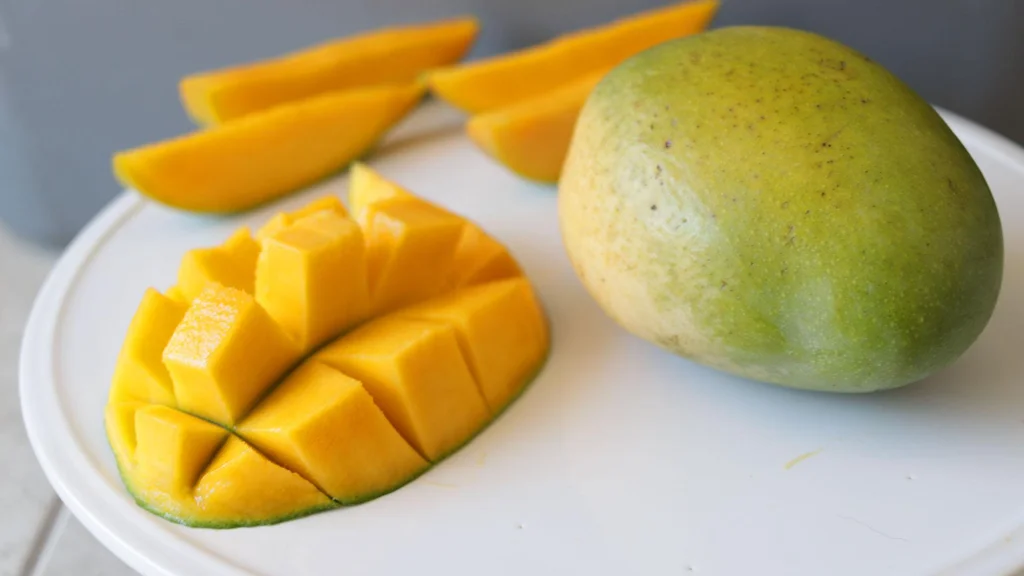
Color is misleading. Ripe doesn't always mean golden — different varieties have different colors. A properly ripe mango yields slightly to gentle pressure. Think of the soft touch you'd use checking if an avocado is ready, not a hard squeeze. The skin should give just a little.
But smell is the real test. A ripe mango smells sweet and fragrant near the stem end. If it smells like nothing, it's definitely not ready. If it smells fermented or yeasty, you've actually gone too far and it's starting to over-ripen.
Storing Your Ripe Mangoes So They Don't Rot
Once your mangoes reach perfect ripeness, you've got a narrow window — about 3-5 days before decay starts in Islamabad's heat. This is actually shorter than you'd expect.
Keep ripe mangoes in the refrigerator. Yes, after all that work ripening them, the fridge is now your friend. Cold slows down further ripening and prevents mold growth. Don't wash them until you're ready to eat — moisture speeds up decay significantly.
If you've got more mangoes than you can eat in that window, peel and freeze them. They work beautifully in smoothies, lassis, and desserts.
The Real Talk
None of this is magic — it's just ethylene gas, temperature control, and time. These methods work because they respect how mangoes naturally want to ripen. You're not fighting the fruit; you're creating better conditions for its natural process.
The brown bag method is my go-to because it's quick, foolproof, and needs nothing fancy. The rice method works if you're patient. The flour approach is fine if you don't mind cleanup.
Stop overthinking how to ripen mangoes. Pick one method, stick with it for a few days, and actually taste the difference between rushed ripening and patient ripening. It's worth the effort.
If you want to skip the whole process entirely, you can order fresh, pre-ripened mangoes on FreshBox. But honestly? There's something genuinely satisfying about ripening them yourself. You earn those mangoes.
Ready to start eating healthy?
Browse our selection of fresh produce and groceries, delivered to your doorstep in minutes.
Start Shopping
Written by
Faisal ShehzadFaisal Shehzad writes practical, locally-grounded guides on groceries, seasonal produce, nutrition and home cooking for households across Islamabad and Rawalpindi.
View all articles →