
How to Start Food Business From Home: A Sourcing Guide
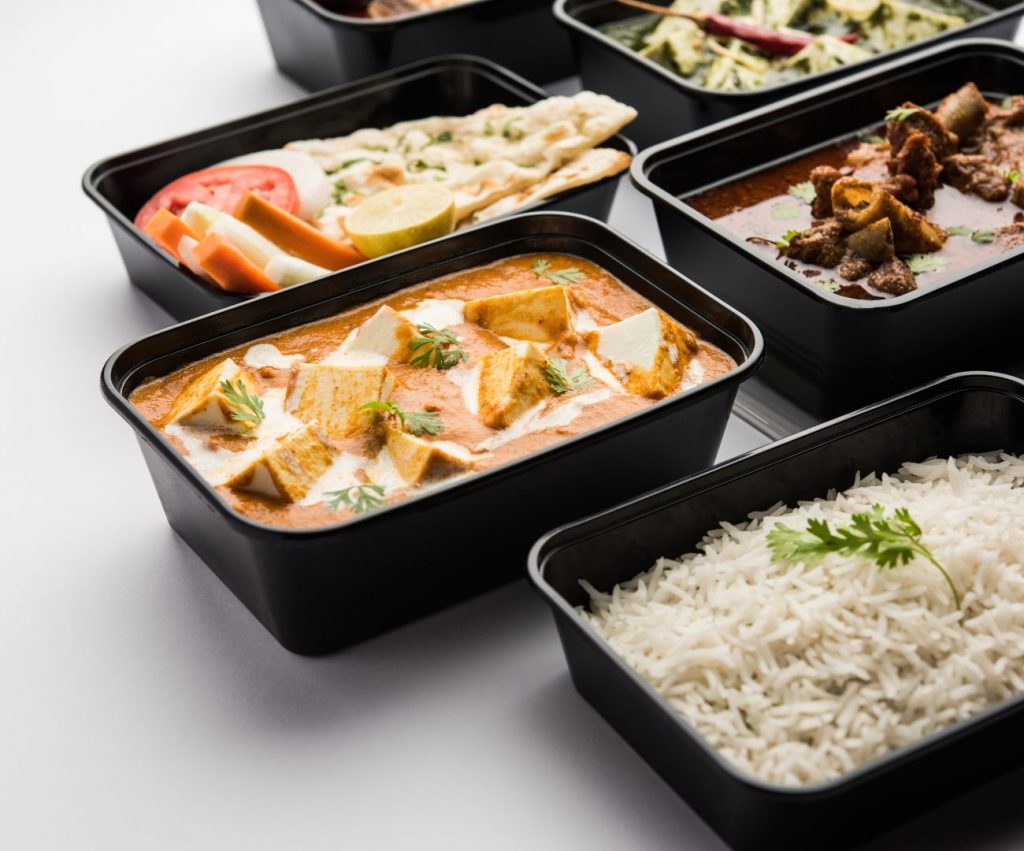
The Hardest Part When You Start a Food Business
The reality of wanting to start a food business from home in Islamabad is that sourcing is everything. You can have the best recipes, the most beautiful Instagram photos, the cleanest kitchen... but if your tomatoes are mealy and your chicken isn't fresh, you're done.
I've watched countless people try to start a food business. The ones who make it? They obsess over sourcing. The ones who don't? They buy from convenience shops and wonder why customers never come back.
Look, if you decide to start a food business at home, it's genuinely exciting. But there's a gap between excitement and actually working. That gap is where sourcing lives.
Why Sourcing Makes or Breaks Your Meal Prep Business
Here's the thing: your customers don't know your ingredient costs. They know if your food is delicious. They know if it's fresh.
Bad sourcing means you either charge more (and lose customers) or accept lower margins (and go broke). Good sourcing means you actually build something real.
The meal prep market in Islamabad and Rawalpindi is competitive now. Dozens of people are trying to start food business from home. The ones making real money? They've cracked sourcing. They know exactly where to get their vegetables, their proteins, their grains — and they've locked in relationships with suppliers who deliver quality consistently.
Your meal prep customer wants to trust you. They want to open the container and know it's good. That trust comes from consistency. Consistency comes from knowing exactly where your ingredients come from.
The Wholesale Markets — Your First Stop
If you're in Islamabad, you know Adiala Road vegetable market. Chaotic. Crowded. But it's where restaurants source from. This is where you need to be.
Go early. 5 AM early, not 7 AM. By 6:30, quality gets picked over. You don't want yesterday's vegetables.
Get there early, get the best stuff, get out.
Start talking to vendors. Not the ones selling from car doors — the ones with actual stalls. Tell them you want to start food business and need consistent quality. Most vendors have relationships with regular buyers. They'll give you better prices if you're ordering regularly. This matters.
For proteins — chicken, beef, mutton — there are dedicated meat wholesale markets. In Rawalpindi, the best chicken comes from specific vendors who deal with restaurants. Again: relationships. Show up consistently, pay on time, ask for today's fresh stock, and they'll take care of you.
But here's the real talk: wholesale markets work if you have time to go multiple times a week. If you're working another job, this gets tricky. You'll need to figure out a sourcing schedule that fits your life.
Building Supplier Relationships That Actually Work
This is where most people fail. They think they can just show up, buy once, disappear for three weeks, then come back. Suppliers don't remember you. They don't care if you're just starting.
You need to be the person they look forward to seeing.
Sounds weird? It's not. Suppliers have regular customers. Those customers get priority. They get first pick of fresh stock. They get better prices. They get warned about shortages. This matters massive when you're trying to start a food business seriously.
Visit the same vendors every single week, if you can. Order roughly the same amounts. Pay promptly. Ask questions about quality. Show that you actually care. Vendors notice.
Build a backup supplier list. What happens when your usual vendor is out of stock? You already know who else to call. During summer, certain vegetables get scarce. During winter, others disappear. Knowing multiple suppliers means you're not panicking.
Timing, Storage, and Quality That Holds
Here's where home-based meal prep businesses go wrong: they source everything on Sunday, prep all week, and by Thursday their vegetables are losing crispness. Customers taste this.
Smart sourcing means sourcing for what you need in the next 48 hours. I know it sounds inefficient, but it's not. You're not paying for waste. You're not losing quality. Your food tastes better.
Invest in proper storage. Not just any fridge — you need to understand how to store different things. Leafy greens in one zone, tomatoes in another. Not next to ethylene-producing fruits. Proteins in the coldest part. This doubles your shelf life.
Get a food thermometer. Know your chicken is actually 4 degrees Celsius when stored, not just "cold enough." This is basic food safety. This is how you build a business people trust.
The Math: Calculating Margins and Pricing Right
This is where sourcing directly impacts your bottom line.
If you're sourcing properly, your ingredient cost for a meal prep container should be 35-45% of what you charge. If it's higher, you're sourcing wrong or pricing too low. If it's lower, you're probably compromising on quality.
Let's say you're selling a chicken and vegetable meal prep box for 600 rupees. Your ingredient cost should be 210-270 rupees. That leaves room for packaging, delivery, labor, and profit.
The only way to hit these margins is to source aggressively. Know your supplier prices. Compare. Negotiate. Build those relationships so you're getting the best possible price on quality ingredients.
Scaling From Your Home Kitchen
Eventually, if you're successful, you can't prep everything from home anymore. Health departments get strict about this, and rightfully. But before you move to a commercial kitchen, you need your sourcing locked down perfectly. That's when you scale.
Once you've got 20-30 regular customers, you can go to a supplier and say, "I need guaranteed weekly delivery of X." That conversation looks totally different now. You have proof you're reliable. You have volume. You get better prices. You can actually negotiate.
The businesses that scale fastest in Islamabad and Rawalpindi aren't the ones with the best recipes. They're the ones who figured out how to start food business with rock-solid sourcing and built supplier relationships that could grow with them.
Real Talk: Starting Small and Smart
You don't need to figure everything out on day one. Pick one category — say, chicken biryani boxes. Source for that one thing perfectly. Nail the supply chain for chicken, rice, and spices. Get really good at it. Then expand.
This isn't the fastest way to grow. But it's the most sustainable way. You won't burn out. You won't over-commit. You'll build a business that actually makes money.
The meal prep market is growing in Pakistan. More people want convenience without sacrificing quality. That's your opening. But you've got to source smarter than your competitors. That's your only unfair advantage.
Ready to start? You can get many of your base ingredients delivered fresh via FreshBox while you're building your supplier network and sorting out your optimal sourcing strategy.
Ready to start eating healthy?
Browse our selection of fresh produce and groceries, delivered to your doorstep in minutes.
Start Shopping
Written by
Faisal ShehzadFaisal Shehzad writes practical, locally-grounded guides on groceries, seasonal produce, nutrition and home cooking for households across Islamabad and Rawalpindi.
View all articles →