
How to Store Vegetables at Home: No More Soggy Sabzi
You buy a beautiful bunch of dhaniya from the sabzi wala. Fresh, green, smells incredible. By Wednesday it's a sad, yellowing clump sitting in shame at the back of your fridge. Sound familiar?
This happens in every Pakistani household — and honestly, you're probably not doing anything catastrophically wrong. The issue is that most of us learned to store vegetables by watching our ammi, who learned from her ammi, and somewhere along the way a few things got lost. Like the fact that ٹماٹر should almost never go in the fridge. Nobody warned us. We just kept refrigerating them and wondering why they tasted like nothing.
The Real Reason Your Sabzi Keeps Dying
Every vegetable has a different happy place. Some want cold. Some want room temperature. Some need humidity. Some hate it. When you throw everything into the crisper drawer and hope for the best, you're essentially speed-aging your produce.
Temperature is obvious — but moisture is where most people go wrong. Too much moisture and you get rot. Too little and everything wilts. Getting this balance right is the actual skill when you want to store vegetables at home properly.
Oh, and ethylene gas. Certain fruits and vegetables emit it — bananas, tomatoes, apples — and it accelerates ripening and spoilage in everything nearby. Store your kela next to your peas and your peas will age ten years in three days. Nobody tells you this stuff. I didn't know it until embarrassingly recently, and I cook every single day.
What Should NOT Go in the Fridge (Yes, Really)
Tomatoes (ٹماٹر)
This is a hill I will die on: do not refrigerate your tomatoes. Cold temperatures destroy the cell structure of a tamatar and kill off the enzymes responsible for flavour. That mealy, tasteless tomato you've been eating? Fridge damage — not a bad batch. Tomatoes are consistently the most-ordered item from FreshBox — people go through them fast, which is exactly the point. Buy only what you'll use in 3-4 days and keep them at room temperature, stem side down. That's it. No special container needed.
Potatoes and Onions (آلو اور پیاز)
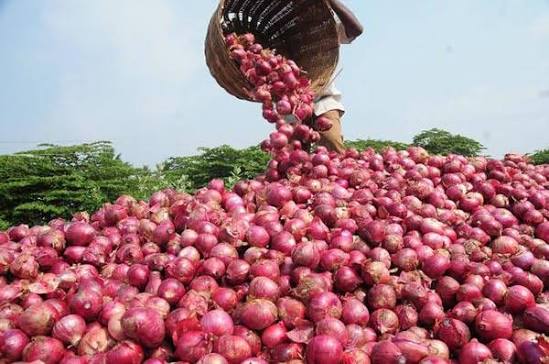
Both pyaz and aaloo belong in a cool, dark, dry place — not the fridge. Cold converts potato starch to sugar, which changes the flavour and makes them cook unevenly. And the fridge is too humid for onions, causing them to soften and mould faster than you'd expect.
The trick? Don't store them together either. Onions emit gases that speed up potato sprouting. Keep them in separate baskets or paper bags in a pantry or on a counter away from direct sunlight. Simple fix, big difference. I moved mine to a bottom cabinet and it made a noticeable difference within the first week.
Garlic (لہسن)
Same rule: room temperature, good airflow, dark spot. In the fridge it gets rubbery and starts sprouting within days. You've probably noticed this and blamed the garlic. It wasn't the garlic.
What Absolutely Needs the Fridge
Leafy Greens — Dhaniya, Pudina, and Palak
Coriander (دھنیا) and mint (پودینہ) are two of the top-ordered items by FreshBox customers — and honestly, anyone who cooks Pakistani food knows why. We use them in everything, every single day.
The problem is they go bad insanely fast without the right method. The method that actually works: trim the stems slightly, stand them upright in a glass with an inch of water (exactly like you would cut flowers), cover loosely with a plastic bag, and refrigerate. Your dhaniya will last 1-2 weeks this way instead of 2-3 days. Trust me on this — try it once and you'll never go back to just shoving the bundle into the crisper drawer.
For palak and patta gobhi: don't wash before storing. Moisture plus fridge equals rot. Store dry in a slightly open bag for some airflow. Wash only right before cooking.
Cucumber (کھیرا)
Kheera is sensitive to both cold and ethylene gas. Store it in the warmest part of your fridge — usually the door shelf — and keep it well away from tomatoes and bananas. It'll last about a week. If you've already sliced it, wrap it tightly in cling film and use it within 2 days.
Fresh Yogurt (تازہ دہی)
Fresh dahi is non-negotiable in this house. On the side with every meal, in the biryani, whipped into raita — we go through it fast. Keep it sealed and towards the back of the fridge where temperature is most stable. Never leave it on the door shelf where temperatures fluctuate every time you open and close the fridge.
And real talk: fresh dahi from a proper dairy outlet lasts longer and tastes better than the stuff in the foil-sealed plastic tubs. The live culture version, stored correctly, will genuinely keep better. This is one of those things you notice once and can't un-notice.
The Herb Bundle Problem — Specific to Pakistan
The way we buy herbs in Islamabad makes storage harder. When you pick up a bundle from the sabzi mandi or the Saturday bazaar in F-10, you're often getting a mixed bunch — thick stems, thin stems, old leaves buried at the bottom. Take two minutes to sort through it before storing. Remove any yellowing or damaged leaves immediately. One bad leaf speeds up decay for everything around it. It sounds tedious but it takes less time than throwing out a full bundle mid-week.
Also — the rubber band. Remove it. Rubber bands cut into stems and accelerate wilting at that pressure point. Sounds minor. Isn't.
Storing Vegetables You've Already Cut
Pyaz and shimla mirch that's been cut should go in an airtight container and be used within 2-3 days. Cut vegetables oxidize quickly and also absorb fridge odours (speaking from experience — if your chai has vaguely tasted of onion lately, this might be why). The fridge is not actually smell-proof, no matter how much people act like it is.
Cut potatoes should be submerged in cold water in a container in the fridge. This prevents the browning (oxidation) and keeps them fresh for up to 24 hours before cooking. Works every time.
The One Insider Tip Most People Skip
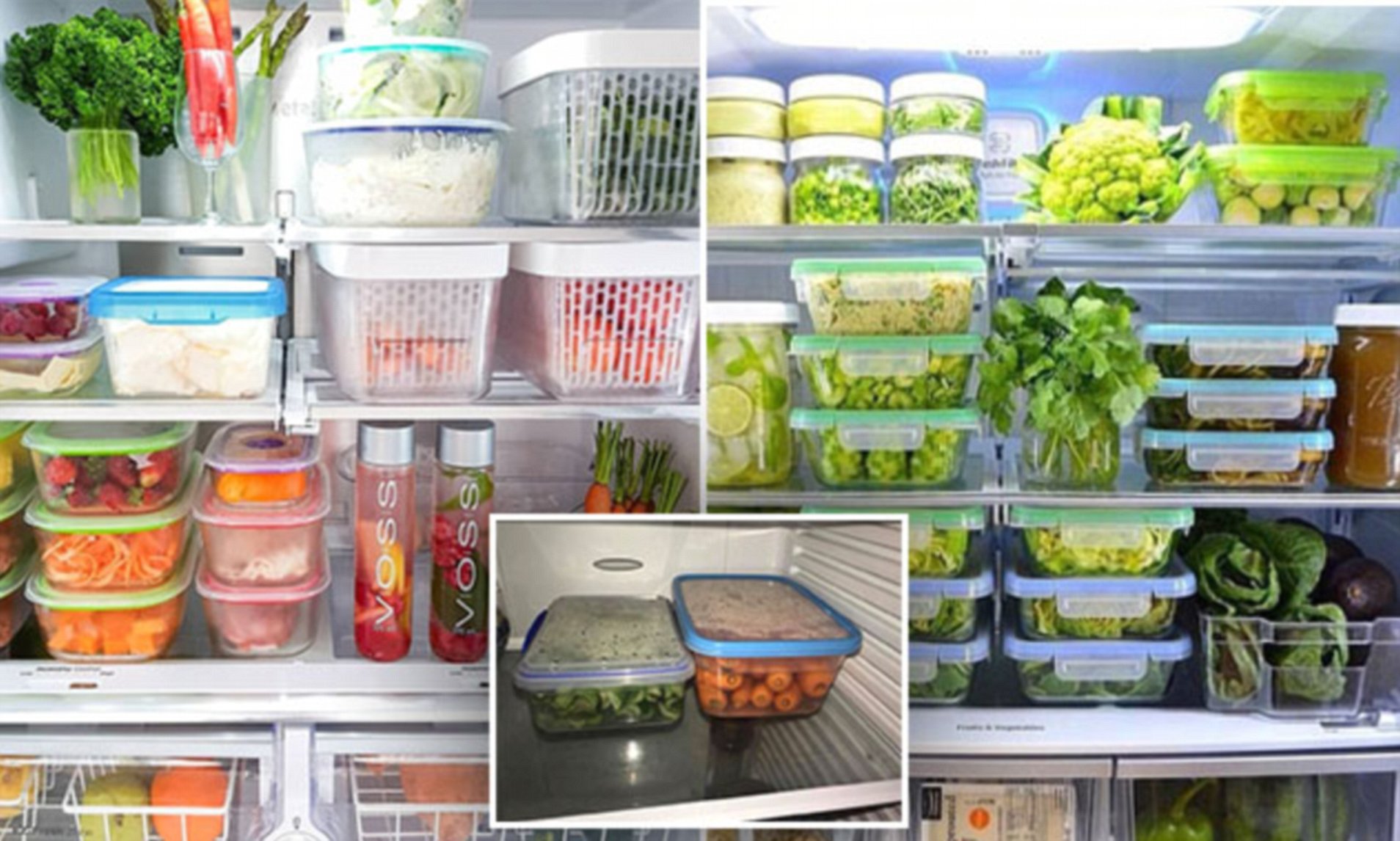
Line your crisper drawer with paper towels or newspaper. This absorbs excess moisture and dramatically slows down decay. Change it once a week.
Your vegetables will last noticeably longer — and this one simple thing has made more difference in my kitchen than any expensive imported storage container ever has. Free fix. Do it today.
Freshness Starts Before the Fridge
Here's something worth saying out loud: no storage method can fix vegetables that were already four days old when they reached you. The freshness you get on delivery day is your ceiling. This is why sourcing matters as much as storage — and it's something most guides on how to store vegetables at home conveniently skip over.
FreshBox has delivered over 19,000 orders to more than 4,800 customers across Islamabad and Rawalpindi — from F-6 all the way to Bahria Town, DHA, PWD, and G-9. The reason people keep reordering isn't just convenience. It's because fresh produce delivered same-day gives you a better starting point. Your dhaniya lasts longer when it's actually fresh on arrival, not something that sat in a warehouse for three days first.
With over 2,025 products available and a customer rating of 4.6 out of 5, you can order through freshbox.pk or WhatsApp at +923376226666 and get same-day delivery. The top-ordered items — tomatoes, onions, cucumbers, fresh yogurt, dhaniya, pudina — are available daily because that's what Islamabad families actually cook with.
Quick Storage Reference
- Room temperature: Tomatoes, onions, potatoes, garlic, bananas
- Fridge (dry, unwashed): Palak, gobhi, gajar, shimla mirch, kheera
- Fridge standing in water: Dhaniya, pudina, hara pyaz
- Airtight container: Cut vegetables, leftover dahi, peeled garlic
- Away from everything else: Bananas — they'll age everything nearby
- Never together: Onions and potatoes, tomatoes and kheera
You're probably wasting 20-30% of the vegetables you buy because of storage mistakes — not bad luck, not bad produce. The fixes are simple and cost nothing. Try the dhaniya-in-water trick this week and you'll see the difference by the weekend.
And if you really want to understand how to store vegetables at home the right way, start with vegetables that were actually fresh when they arrived. Get that part right first — everything else follows from there.
Ready to start eating healthy?
Browse our selection of fresh produce and groceries, delivered to your doorstep in minutes.
Start Shopping
Written by
Faisal ShehzadFaisal Shehzad writes practical, locally-grounded guides on groceries, seasonal produce, nutrition and home cooking for households across Islamabad and Rawalpindi.
View all articles →