Karak Chai at Home: Which Tea Leaves Actually Make It Right
Your karak chai tastes thin again? Here's why
Look, we've all been there. You boil the milk, drop in the tea, wait for the color to turn that proper dark brown, and still end up with something that tastes like hot milk with opinions. Frustrating.
Honestly, karak chai at home comes down to two things: the right tea leaves and how long you let them fight with the milk. Get those right and the rest falls into place. Get them wrong and no amount of cardamom will save you.
The tea leaves that actually work
Not every box in the tea aisle is built for karak chai at home. Most of the tea we drink in Pakistan is a strong black blend, and you need something with enough punch to survive a long boil and a splash of milk. Ever noticed how some teas go flat the moment milk hits them?
Tapal Danedar for the real deal
If you only buy one box, make it Tapal Danedar. It's the one most aunties in Rawalpindi swear by, and honestly, they're right. The leaves are coarse enough to release color quickly, and the flavor holds up even after the milk goes in. It's what I reach for on a Sunday when I want the cup to taste like it came from a roadside stall near the Sunday Bazaar.
Lipton Yellow Label when you want convenience
Lipton Yellow Label is everywhere, from the corner grocery shop to the big mart in Blue Area. Not my first pick for karak, I'll admit. But it works fine if that's what's in your cupboard. The flavor runs a bit lighter, so give it an extra minute on the boil and don't be shy with the leaves.
Tapal Safari, if you like it softer
Some people in my family like their chai gentle, and Tapal Safari is a good middle ground. It's smoother and less bitter, which makes it nice for lazy afternoons when you don't want something that wakes up the whole street. Just know it won't give you that deep, mahogany color on its own.
Skip the flavored boxes for this
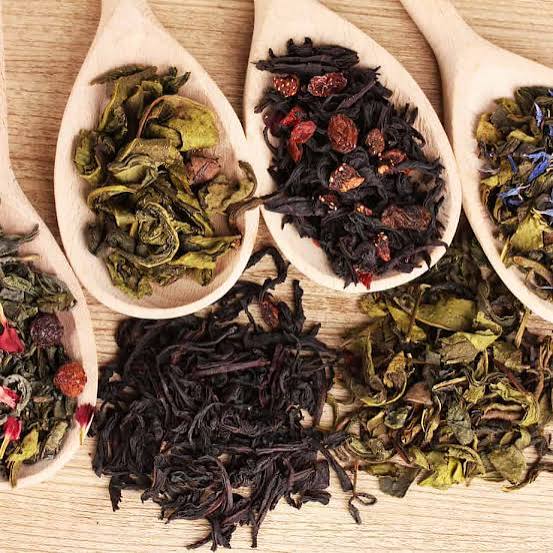
Real talk: those green teas and fancy flavored boxes at the upscale grocers in F-10 have their place, just not in your karak pot. They taste thin once the milk hits, and you end up paying for flavor that vanishes. Save them for your evening cup and keep the strong black blend for the pot.
Milk matters more than the tea
Here's the thing: the best tea in the world won't save you if the milk is watered down or ultra-processed.
Full-cream fresh milk from a trusted dairy boils up thicker and gives that creamy, almost caramel finish. UHT milk works in a pinch, but it tastes flatter and sometimes separates.
Load shedding has taught every household in Islamabad to be resourceful. When the power goes out, a gas stove keeps your chai going while the electric kettle sits useless. Keep a small gas burner handy for chai days, trust me on this, and you won't lose the thread of a good boil.
The ratio is personal. My mother uses roughly equal parts water and milk with a hard boil, while my cousin in Bahria Town goes heavier on the milk for a softer finish. Neither is wrong. Figure out which camp you belong to and stick with it.
The method that doesn't need fancy tools
You don't need a special pot. A heavy-bottomed saucepan does the job. This is the method I use for karak chai at home on weekday mornings:
- Add water, crushed green cardamom, a few cloves, and a thumb-sized piece of ginger to the pan. Bring it to a boil.
- Add two to three teaspoons of tea leaves per cup and let it boil hard for about three minutes. You want the water to turn dark before the milk even goes in.
- Pour in full-cream milk in roughly equal parts to the water, then bring it back to a rolling boil.
- Add sugar to taste. Let it simmer for another two or three minutes, watching it so it doesn't climb the sides and spill over.
- Strain and serve hot, preferably with a plate of rusk or something salty.
Hold back on the sugar at first. You can always add more, but you can't take it out.
Tea storage matters too. Keep the box sealed and away from the kitchen window, because humidity kills the aroma faster than you'd think. A tin with a tight lid is worth the small cost.
Little things that make a difference
Crush your cardamom instead of dropping in whole pods. Crush the ginger too. Those small extras make a real difference to karak chai at home, because they release flavor you'll miss if you skip them.
And don't rush the color. The tea leaves need time to bleed their color into the water before the milk goes in. That's the part most people cut short, and it's exactly why their chai looks pale.
One more opinion: if you're making karak for a crowd, use a big pot and keep a second kettle of hot water nearby. Topping up a boiling batch halfway through is a mistake I've made more than once, and it always costs you flavor.
Serve it in small cups, not mugs. Karak is meant to be sipped slowly, and a smaller cup keeps it hot long enough to enjoy.
Final thoughts
Good karak chai at home isn't complicated. It's about the right leaves, decent milk, and patience with the boil. Pick a box of Tapal Danedar, buy fresh milk, and give yourself a few tries to find your ratio.
If you'd rather not run to the vegetable market or the corner shop every time you run out, you can get these basics delivered through FreshBox. Your chai shelf will thank you.
Ready to start eating healthy?
Browse our selection of fresh produce and groceries, delivered to your doorstep in minutes.
Start Shopping