
Mustard Greens Pakistan: Why November Is the Month to Cook Them
Why November is the right time for mustard greens Pakistan
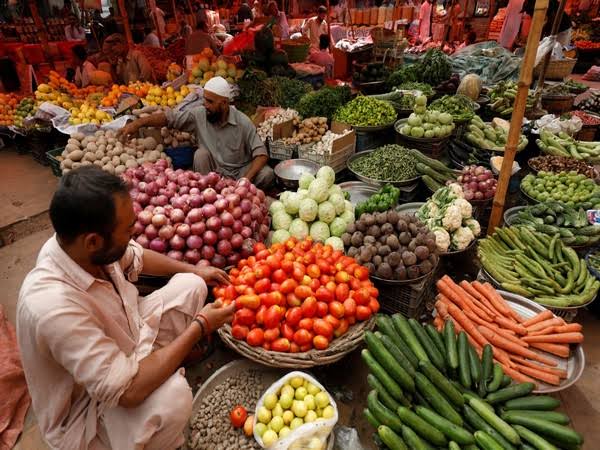
Every year, around the second week of November, my mother starts eyeing the vegetable market like it owes her money. She's been waiting for this, trust me. The first properly cold morning hits Rawalpindi, the fog sits low over the hills, and suddenly every stall has towers of dark, crinkled leaves stacked up like they're showing off.
Mustard greens grow best in cold weather, and they taste like it. Pick them in April and they're bitter and tough. Pick them now and they're sweet, peppery, and soft enough to melt into a pot of pure ghee and ginger. That's the whole secret, honestly.
How to pick a good bunch
Don't just grab the first pile you see. Look for leaves that are a deep, almost blackish green, with no yellow spots or holes. Bend a stem. If it snaps cleanly, it's young. If it feels like rubber, walk away.
Smell matters too. Fresh mustard greens have a sharp, peppery kick, almost like radish. If the bunch smells sour or muddy, those leaves have been sitting around too long. And honestly, the thinner the stems, the better.
If you want the best mustard greens pakistan has to offer, go early. The good bunches vanish by mid-morning at the bigger markets. Be there before nine, or you'll be fighting over whatever the wholesalers left behind.
Supermarkets sometimes stock bagged greens, but they're usually older than they look. I trust the vendor who has been standing at the same corner for twenty years. He knows exactly what came in this morning, and he'll tell you which field it came from if you ask nicely.
Cleaning them without losing your mind
Nobody warns you about the grit when you buy mustard greens pakistan. The leaves grow low to the ground and trap soil in every crease. I wash mine at least three times: once in a big basin, again with the leaves pulled apart, then one last rinse just to be sure. Yes, it's annoying. Skip it and you'll be crunching sand for the next hour.
Pull off the thick, woody stems at the bottom. Keep the tender upper stems, because they cook down into the pot and add body. Chop everything roughly, or leave it whole if you like that old-school look.
Store unwashed greens in a plastic bag in the fridge and use them within three days. Once they get wet, they go slimy faster than you'd think.
The slow cook that makes it worth it
This is where people rush and ruin it. Mustard greens need time. Put them in a heavy pot with a splash of water, a bit of salt, and a handful of chopped ginger and garlic, then let them simmer on low for a good hour, sometimes more. Some families add spinach or chenopodium greens for softness, and that's a perfectly fair call.
Every household has its own spice ratio, and nobody budges on it. My aunt uses almost no chili. My neighbor dumps in a fistful. Both swear they're right. I'd start with one green chili per big bunch and adjust from there.
The leaves should collapse into a thick, dark mash. Don't let it dry out, and add water a little at a time. Speaking from experience, I still make two mistakes every single year. I drown the greens at the start, which makes the final dish thin and sad. And I rush the simmer because I'm hungry. Don't be me.
Then comes the mashing. Old-school kitchens use a wooden churner, the kind that gives you forearms like a wrestler. A stick blender works too, just don't blitz it into baby food. You want texture, not soup.
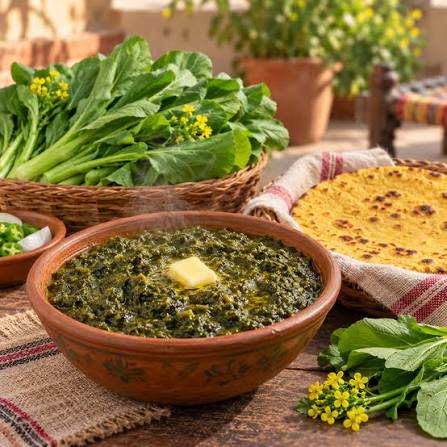
And here's the part everybody argues about: the finishing butter. Heat pure ghee in a small pan, toss in sliced garlic until it turns golden, add a pinch of red chili flakes, and pour it over the top. Some people go heavier on the butter. I say go heavy on the garlic and stop there.
What to serve with it
You can't eat mustard greens alone, not really. Serve them with a thick cornmeal flatbread, the slightly crumbly kind, and a dollop of cold yogurt on the side to cut the richness. Add raw onion and a green chili if you like things hot.
Some people pair it with plain rice and a lentil stew, which is also a solid winter combo. I'm not going to argue with that either.
My personal take? Eat it the next day. The flavors settle, the ghee soaks in, and it tastes even better cold, spread on bread with a little sliced onion. Don't fight me on this.
A few things I wish someone had told me
Frozen greens are a backup, not a plan
Frozen mustard greens exist, and they're fine in a pinch. But the texture goes flat and a bit watery. If you're cooking for guests, spend the extra time on fresh.
Power cuts and the stove
Power outages are real, and they love to hit right in the middle of dinner. If the lights go out while your greens are simmering, a gas stove keeps going, so turn the flame low and don't panic. The pot holds heat well, and it'll taste right when everything comes back.
Why it's good for you
Nutrition-wise, mustard greens are loaded with vitamin K, vitamin A, and folate, plus a good amount of fiber. You don't need a nutrition degree to see why a bowl of this in winter makes sense.
Where to get them without the market chaos
If the Sunday Bazaar crowds make you want to lie down, you can have a fresh bunch delivered instead. Check the leaves when they arrive, same as you would at the stall, and wash them right away. You can get them via FreshBox while the season lasts.
Mustard greens have a short season, November through February, and then they're gone for the year. So if you want mustard greens pakistan without the Sunday crowds, or you've been waiting to cook mustard greens pakistan style, this is your window. Make a pot this week and stop waiting for a perfect day.
Ready to start eating healthy?
Browse our selection of fresh produce and groceries, delivered to your doorstep in minutes.
Start Shopping