
Organic Groceries Pakistan: Your Green Kitchen Guide
Why Your Kitchen Needs to Go Organic (And What That Actually Means)
You've probably seen the word "organic" all over social media lately. Influencers posting about their organic hauls, eco-conscious aunties comparing notes at F-10 market, news coverage about Pakistan's push toward sustainable agriculture. But here's the thing: most people don't actually know what organic groceries pakistan means, or why it matters beyond the Instagram aesthetic.
Real talk. The difference between organic and regular produce isn't just about the pesticides, though that's part of it. It's about supporting farmers who are actively trying to keep soil healthy, reduce chemical runoff into our already struggling water systems, and preserve biodiversity in an agriculture sector that's been squeezed by industrial monoculture. When you buy organic groceries pakistan, you're voting with your wallet for a different kind of farming that actually has a future.
I get it though — organic costs more. Water scarcity hits Islamabad harder every summer, electricity bills are brutal, groceries aren't getting cheaper. So why bother? Because the alternative costs us something else.
The Real Impact of Your Grocery Choices
Here's what happens when we stick to conventionally grown produce. Chemical fertilizers wash into groundwater. Pesticide residue builds up in soil, making it harder to grow anything next year. Farmers get trapped in cycles where they need more chemicals each season just to maintain yield. We're not just buying food — we're participating in a system that's eroding the very land that feeds us.
Organic produce follows different rules entirely. No synthetic pesticides. No chemical fertilizers. Instead, farmers use crop rotation, natural compost, biological pest control. The yield is often smaller. It takes more labor. But the soil gets healthier, water systems don't get contaminated, and farmers aren't poisoning themselves or their families in the process.
The connection isn't abstract. A power cut during peak summer, a water shortage that forces you to buy bottles at inflated prices, dust storms that get worse every year — these aren't separate problems. They're all connected to how we farm and what we choose to support.
Which Organic Items Should You Actually Prioritize?
You don't have to go full-organic overnight. I didn't. But you should be strategic about which items matter most.
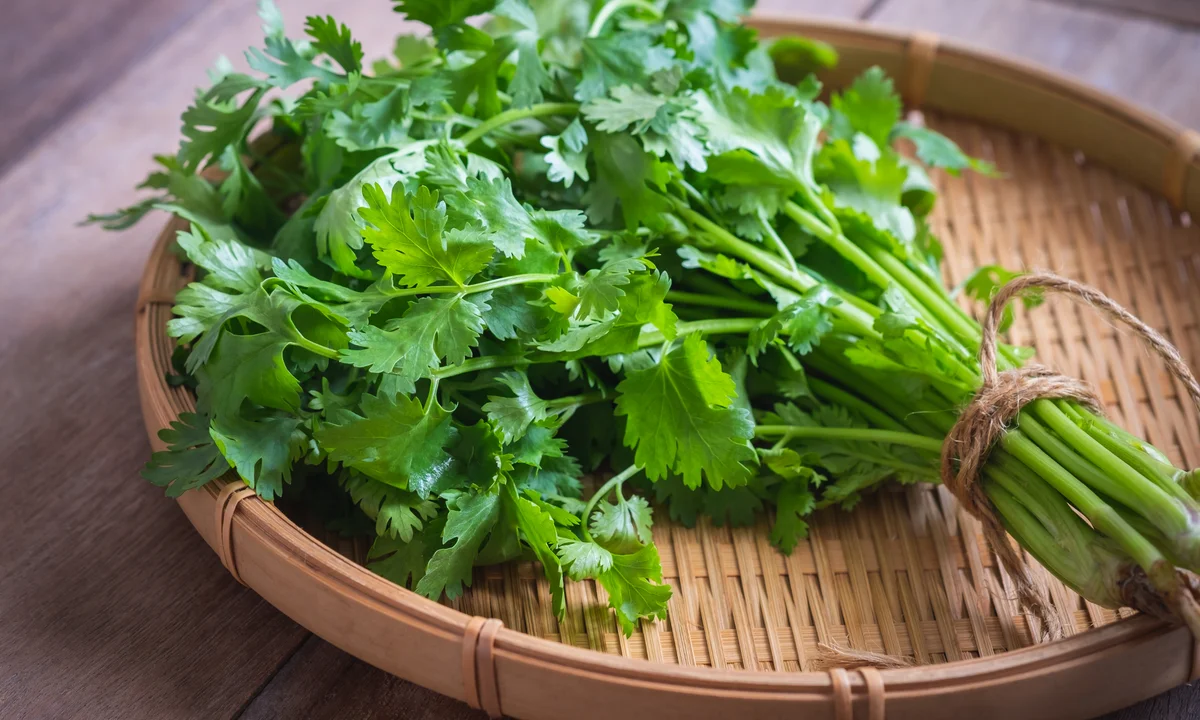
Leafy greens and herbs. Spinach, rocket, mint, cilantro — these are sprayed heavily in conventional farming. If you're picking one category to go organic, start here. These are also what you use most often in Pakistani cooking, and the difference in taste is genuinely noticeable.
Tomatoes. I'm somewhat obsessed with this one. Regular tomatoes from summer markets are sometimes bright red outside, pale and flavorless inside. Organic tomatoes actually taste like something. They develop flavor slowly. They still have that slight acidic bite that makes them perfect for cooking.
Potatoes and onions. Conventional potatoes carry heavy pesticide loads. Since potatoes are basically a staple in every Pakistani household — biryani, aloo gosht, those carbs we all rely on — getting them organic just makes sense.
Dairy. Pure milk from organic dairies is a completely different product. Thicker cream, richer taste. Most yogurt you buy is milk plus stabilizers; organic yogurt uses actual cultures. The difference is dramatic.
You can skip organic for avocados and bananas if you're on a budget. The peel protects the fruit and those aren't heavily sprayed in most cases anyway.
Making Organic Groceries Pakistan Affordable
Real talk: once you shift your shopping habits, organic groceries pakistan aren't actually a luxury. You just have to be intentional about it.
Buy seasonal. Organic spinach in March costs a fraction of what it does in July when there's hardly any grown locally. Tomatoes in summer. Squash in winter. The vegetable market near Aabpara has seasonal rhythm — follow it and you're golden.
Shop at farmers markets on weekends. Yes, the Sunday Bazaar is chaos. Parking is a nightmare. But farmers selling directly undercut retailers, and you can actually ask them about their practices. I've met growers in Rawalpindi using no pesticides whatsoever, calling themselves organic before it became trendy.
Skip the fancy organic sections in supermarkets. Those overpriced boxes are usually just marketing. The real deals are at farmers markets and smaller greengrocers stocking local, properly grown produce.
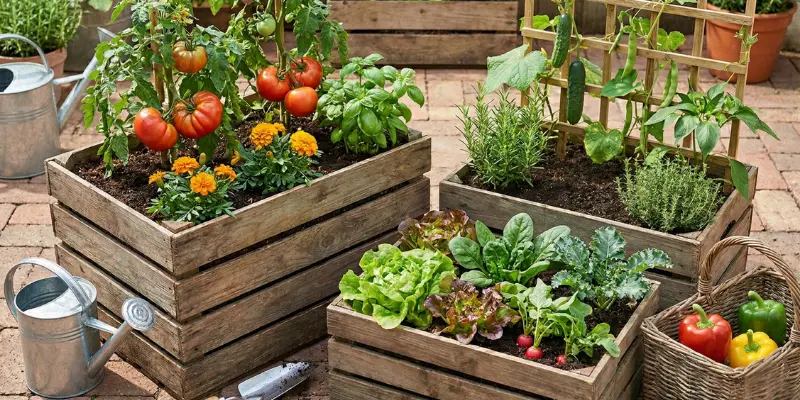
Grow what you can. Even a small balcony handles mint, cilantro, tomatoes in summers, leafy greens in winters. Islamabad's weather is actually decent for home growing — it's not like Karachi or Quetta where heat just destroys everything.
Why This Matters for Pakistan Specifically
Look, organic groceries pakistan isn't just a wellness trend or a rich-people thing. Pakistan's agriculture sector is drowning in debt, farmers are switching crops because cotton and wheat don't pay anymore, and pesticide dependency is basically a financial trap. When you buy from organic farmers, you're not just getting cleaner food — you're helping prop up farming practices that can actually sustain themselves long-term.
The government has pushed the green initiative for years. National policies, climate commitments, local environmental organizations. But policy means nothing if people don't actually change their purchasing habits. There's a real contradiction in complaining about climate change and water scarcity while filling your kitchen with conventionally farmed products.
This isn't preachy. It's practical. You want clean water in your taps? Support farmers who aren't dumping chemicals in the groundwater. You want food that actually tastes like something? Support farming practices that keep soil alive instead of mining it for short-term yield.
Making the Switch Without Overwhelm
Start with one category. Get comfortable with it. Then expand. Don't try to flip your entire kitchen overnight.
Find a reliable vendor. Someone you actually trust. I have a guy near Bagh-e-Jinnah — honest pricing, seasonal stuff, actually knows what organic means (not everyone does). Build that relationship and life gets easier.
Get past the cosmetic weirdness. Organic produce isn't always perfectly shaped. Tomatoes might have slight blemishes. That's not a flaw — that's what real food looks like when it's not treated with chemicals to make it shelf-pretty.
Make friends with your freezer. When you find good organic greens in season, buy extra and freeze them. Mint, cilantro, spinach — all freeze beautifully. You'll have them through winters when fresh is scarce and expensive.
Accept that some weeks you'll cook different meals than planned. Organic produce follows seasons. If cauliflower is good this week, plan around cauliflower. It's actually kind of nice, organizing your kitchen around what's fresh instead of convenience.
The Bottom Line
You can order fresh produce through FreshBox if you want organic groceries delivered, or you can hunt at farmers markets on weekends. Either way, the point is this: your grocery choices matter. They matter for your health. They matter for the soil. They matter for Pakistani farmers trying to farm without poisoning themselves or their families. It's not dramatic. It's just real.
Ready to start eating healthy?
Browse our selection of fresh produce and groceries, delivered to your doorstep in minutes.
Start Shopping
Written by
Faisal ShehzadFaisal Shehzad writes practical, locally-grounded guides on groceries, seasonal produce, nutrition and home cooking for households across Islamabad and Rawalpindi.
View all articles →