
Prevent Heatstroke Workers: The Meal Plan That Works
Prevent Heatstroke Workers: The July Meal Plan That Actually Works
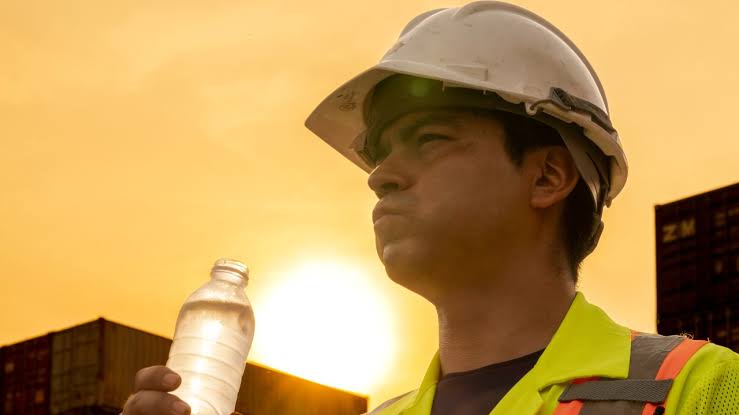
July in Islamabad. The thermometer hits 45°C by noon, power cuts kick in like clockwork, and anyone working outside is basically in an oven. Construction workers, delivery guys, day laborers, road crews — they're moving slower by 2 PM, wearing damp towels, grabbing whatever water they can find. This is when heatstroke becomes real.
Here's what most people don't talk about: you can actually prevent heatstroke workers through smart eating and drinking. Not just chugging water and hoping. Real, intentional nutrition that actually protects your body when you're sweating buckets in this heat.
Look, heatstroke isn't just feeling faint or dizzy. It's your body's cooling system shutting down completely. We're talking confusion, nausea, organ failure — I'm not trying to scare you, I'm trying to be real. Outdoor workers in Pakistan during summer don't have the luxury of air conditioning. They're exposed all day. What you eat and drink genuinely changes whether you get home safe or end up at the hospital.
The mistake most people make is thinking it's only about water. Your body needs electrolytes — sodium, potassium, magnesium — to actually absorb and hold onto fluids. Drink plain water all day, and half of it just goes right through you. Your body needs the right food too.
Breakfast: Fuel Before You Step Outside
Start with something substantial but not heavy. Yogurt with flattened rice, a handful of dates, and a sprinkle of salt. That sounds weird, but salt in the morning helps your body retain fluids throughout the day. Add a banana for potassium. A cup of sweet tea with milk actually helps in heat because it makes you sweat more evenly, cooling your body gradually.
Skip the greasy fried pastries. Your digestive system will work overtime in the heat, pulling blood away from your skin where you need it for cooling.
Mid-Morning: The Hydration Break
By 9 AM, you're already losing fluids. Don't wait until you're thirsty — thirst means you're already dehydrated. Drink buttermilk or fresh lemon water with salt and sugar. Or make a simple electrolyte drink: water, a tablespoon of sugar, a quarter teaspoon of salt, and lemon juice. Your body absorbs this way better than plain water.
Grab a small snack. A few biscuits, an orange, or a handful of peanuts. Quick energy prevents your blood sugar from crashing, which makes dehydration feel worse.
Lunch: The Heaviest Meal of the Day
Eat around 11:30 AM before the heat really peaks. Rice with lentil curry, boiled vegetables, maybe some chicken or fish. Carbs give you sustained energy, protein helps your muscles, and the fluids in curry help with hydration. Skip lunch and you're risking serious trouble. A light meal protects you better than eating nothing.
Drink buttermilk or water after eating.
Afternoon: The Danger Zone
This is when heatstroke is most likely. Between 2 and 5 PM, sip water consistently — every 15 to 20 minutes, just a few sips. Coconut water is genuinely the best natural electrolyte source if you can find it. Eat a piece of fruit (mango in July is perfect) or some almonds. If you're home briefly, eat a small yogurt. The coolness plus probiotics help your gut handle heat better.
Real talk: your digestion affects how well your body thermoregulates. A happy stomach helps you stay cool.
Late Afternoon: The Recharge
Around 4 to 5 PM, have another hydrating snack. Buttermilk with a biscuit or fresh juice without added sugar. Some fruit. Your body needs continued electrolyte replacement through the afternoon. And wear light, loose clothing — light colors reflect heat, cotton breathes, and dark tight clothes trap heat and make your body work harder to cool down.
Dinner: Recovery and Rehydration
Don't go heavy at night. Your body needs to recover, not work hard on digestion after an already heat-stressed day. Rice with light vegetable curry, maybe some boiled eggs, fresh vegetables. Drink water after eating, but not so much that you're waking up all night to use the bathroom.
The Insider Tips That Actually Work
Here's what I've learned from workers and nutritionists: electrolytes are absolutely non-negotiable. Plain water alone simply isn't enough, especially in extreme heat. Your body loses electrolytes through sweat, and if you don't replace them, your cells can't actually hold onto water. You end up more dehydrated than before.
Second, eat before you feel hungry. Once real hunger hits, you're already in an energy deficit. And once your energy drops, dehydration feels worse — your body can't cool efficiently. You're working against yourself.
Third, coconut water is your real friend. I know fresh coconut water seems like a luxury, but if you're working outdoors in July heat, it's worth the investment. It has natural potassium, sodium, and magnesium in ratios your body actually wants and can use immediately.
Fourth hard truth: you need to eat more frequently than you think. Not more calories necessarily, but more often. Your body processes frequent small meals and sips way better than sporadic big meals and drinks. It's about rhythm and consistency.
Making This Actually Practical
The whole plan sounds elaborate when you read it, but it's honestly just normal Pakistani food with better timing and hydration. You're eating yogurt, rice, vegetables, fruit, lentils, eggs — things that exist in every Pakistani household and in every local market.
Prep your food at night before work. Make the electrolyte drink in the morning so it's ready to go. Pack extra fruit the night before. Ask your coworkers or fellow workers to set up a routine together — collective hydration is easier than solo discipline, and it creates accountability.
You can get fresh produce delivered via FreshBox if you want consistent supply without market runs, but the real point is simple: good nutrition prevents heatstroke workers. It keeps you safe, keeps you working, keeps you healthy.
The Bottom Line
July heat in Islamabad is serious. But it's not inevitable that you get sick from it. Your body has incredible ability to handle extreme heat if you feed it right and keep it hydrated consistently. Every glass of water with electrolytes, every banana, every yogurt — these aren't extras, they're investments in your health.
Don't wait until you're feeling dizzy or confused to start taking heat seriously. The time to prevent heatstroke workers is now, while you're still feeling fine, by building these habits that keep your body cool and fueled throughout the day.
Your health isn't a luxury item. Treat it like what it is — the foundation of everything else. Work safely, eat smart, and get home healthy.
References & Further Reading
The health guidance in this article is supported by the following authoritative sources:
- Heat Stress — Workplace Recommendations (hydration schedule) — CDC / National Institute for Occupational Safety and Health (NIOSH).
- Heat — Water. Rest. Shade. — U.S. Occupational Safety and Health Administration (OSHA).
This article is for general information only and is not a substitute for professional medical advice. Consult a qualified healthcare provider about your individual health needs.
Frequently Asked Questions
How can outdoor workers prevent heatstroke through diet?
Why isn’t drinking plain water enough in extreme heat?
What should outdoor workers eat during the hottest part of the day?
What are the warning signs of heatstroke?
This article is for general information only and is not a substitute for professional medical advice. Always consult a qualified healthcare provider about your individual health needs.
Ready to start eating healthy?
Browse our selection of fresh produce and groceries, delivered to your doorstep in minutes.
Start Shopping
Written by
Faisal ShehzadFaisal Shehzad writes practical, locally-grounded guides on groceries, seasonal produce, nutrition and home cooking for households across Islamabad and Rawalpindi.
View all articles →