
Qurbani Animal Defects: Every Islamic Eligibility Requirement Explained
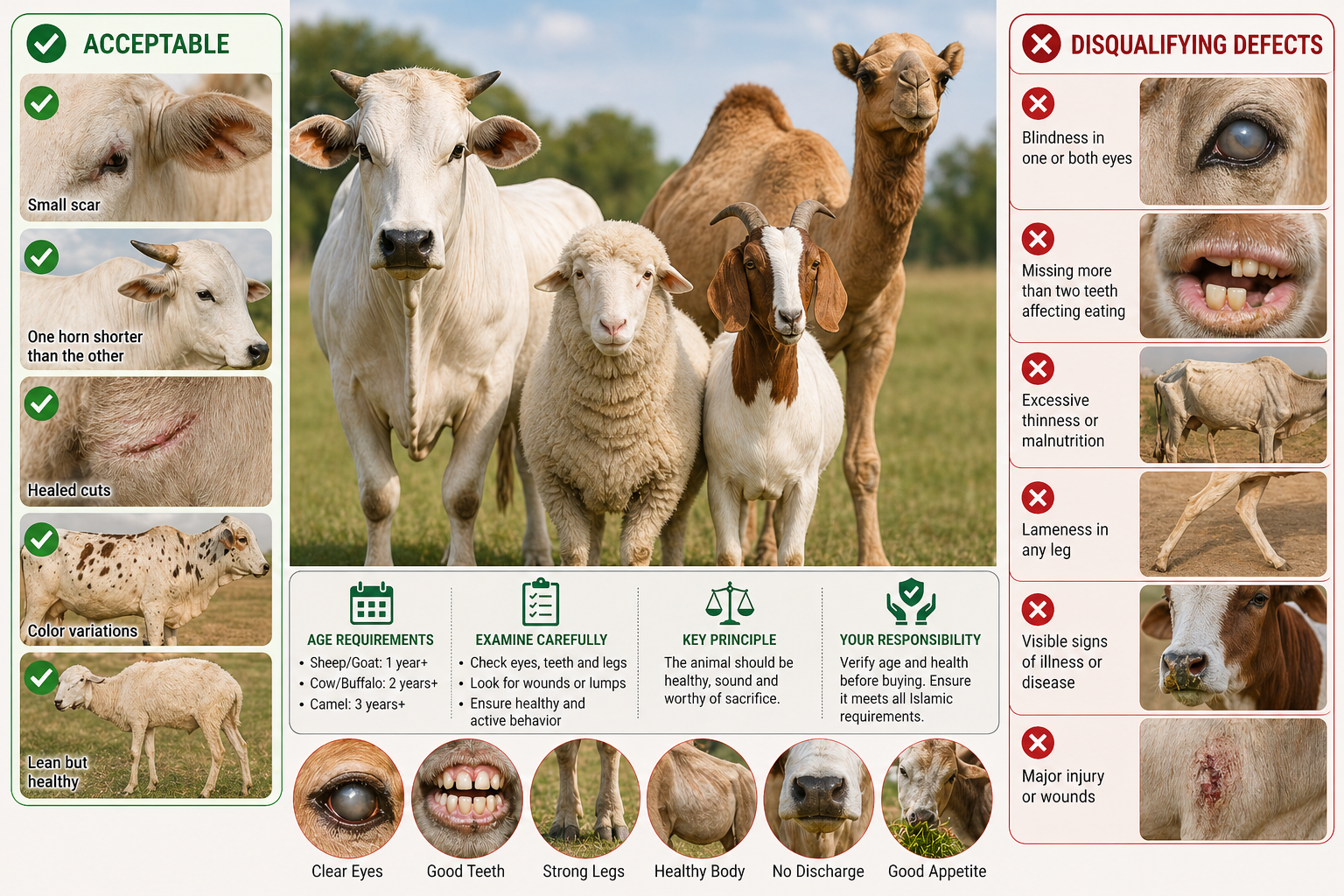
What Actually Counts as Qurbani Animal Defects
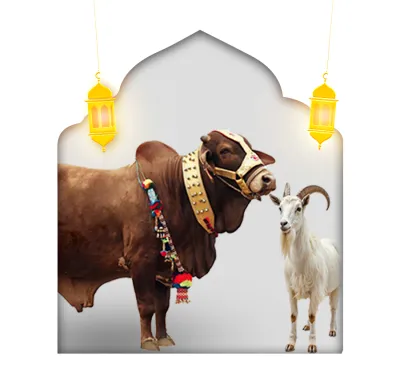
Looking for a perfect qurbani animal just before Eid hits different when you actually understand what makes one eligible versus what'll get rejected at the mosque. The thing is, there's a whole Islamic standard for what counts as qurbani animal defects and what doesn't, and most people buying animals at the last minute have zero clue about it.
Here's the reality: your animal could look absolutely fine to you, but if it has certain defects, it's not acceptable according to Islamic law. And no, not every physical imperfection automatically disqualifies it. That's where the confusion starts.
Real talk: not all blemishes mean automatic rejection. Islamic scholars have set specific standards about what constitutes actual disqualifying qurbani animal defects, and there's way more nuance than most people think.
A small scar? Probably fine. Missing an eye? That's a problem. Partial lameness you can barely notice? Might still be acceptable. Complete lameness? Absolutely not.
The Islamic guidelines distinguish between defects that actually affect the animal's value and health versus minor cosmetic imperfections. What matters is that the animal is healthy enough to survive and thrive, not that it's magazine-cover perfect. This distinction has been consistent across Islamic jurisprudence for centuries because the principle is practical: a sacrifice should represent real value.
The Age Requirements
Age is where most people mess up, honestly. You can't just grab any young animal and call it good for qurbani.
For sheep and goats, your animal needs to be at least one year old. Full year. Not eleven months, not almost a year—actual one year old. For cows and buffalo, you're looking at two full years minimum. Camels? Three years. These aren't flexible numbers—they're fixed standards based on Islamic law.
And here's what nobody tells you: if you're planning to split the cost of a qurbani with friends like many families do in Islamabad and Rawalpindi during Eid, you need to make sure your animal still meets these age requirements. Some people think they can go smaller to split costs. Doesn't work like that. The age standards don't change based on how many families share the meat.
If you're buying from a seller who can't confirm the age, walk away. Not worth the risk.
Physical Defects That Automatically Disqualify
This is the list that matters. These qurbani animal defects will get your animal rejected:
Blindness in one or both eyes—even if it functions fine, it's not acceptable. Missing more than two teeth that affect eating. Excessive thinness or malnutrition where the animal isn't in decent physical condition. Visible signs of illness or disease like coughing or discharge. Lameness in any leg that's noticeable when walking—this is the most common disqualifying defect people encounter. Major injury or wounds that haven't properly healed. Skin conditions or active infections. Broken horns that have bled if the animal naturally has horns. Reproductive issues or castration problems.
These aren't subjective. If your animal has any of these, it won't be accepted.
Defects That Are Actually Fine
Here's where people massively overthink it. Some things sound bad but are completely acceptable for qurbani.
Small scars or marks? Totally fine if they're healed and don't affect movement. Missing a horn or it being shorter than the other? Completely acceptable—happens naturally and Islamic scholars approve it. Small, healed cuts or minor injuries? No problem. Lean but healthy appearance? Actually preferred in some traditions over bloated-looking animals. Color variations or unusual markings? Acceptable without question.
The fundamental principle is simple: the animal needs to be healthy overall. It doesn't need to be perfect cosmetically. What matters is functionality and health, not appearance.
How to Actually Examine an Animal
When you're standing in front of a potential qurbani animal, here's what to check.
Run your hands along the body for lumps, wounds, or anything unusual. Look at all four legs carefully and watch it walk—limp is a deal-breaker. Check the eyes for clarity and brightness. Look at the teeth to verify age and check for missing teeth. Feel the ribs—you should feel them without the animal being skeletal. Check the tail for signs of disease. Look for discharge from nose or eyes. Watch it eat and drink.
This isn't complicated. You're making sure the animal is actually healthy and can move properly.
Why These Standards Exist
Understanding qurbani animal defects standards isn't just rule-following. These guidelines exist because the sacrifice is supposed to mean something—your commitment, gratitude, your willingness to offer something valuable.
If your animal is sick or defective, it's not a sacrifice. You're getting rid of something damaged nobody would want anyway. The whole point is offering something that costs you something real. That requires an animal in good condition, representing a genuine offering.
It's the same principle across Islamic tradition worldwide. The sacrifice needs to mean something. It needs to be something worth offering.
Timing and Planning
Start looking for your qurbani animal now, not three days before Eid.
You need actual time to examine the animal carefully, verify its age and health, and make sure you're getting something that meets all Islamic standards. Rushing into the market the week before Eid means you'll either get fleeced on price or end up with something questionable that has undisclosed defects.
Many families buy and keep their animal for a few weeks beforehand, which lets you observe its behavior and health over time. Hidden health issues often reveal themselves when you live with an animal for a while. It's not required, but it's definitely smarter.
Your Responsibilities as the Buyer
When you buy an animal for qurbani, you're taking responsibility for ensuring it meets Islamic standards. This means you actually need to know what you're looking for.
Ask specific questions about the animal's age and background. Request documentation if available. Don't just accept what a seller tells you—verify it yourself. If you're buying from somewhere reputable, they should confidently confirm the animal has no disqualifying qurbani animal defects.
If you're splitting costs with other families, make sure everyone is absolutely clear about which animal you're using and that it meets all requirements. Miscommunication here causes serious problems later.
Getting It Right
Getting qurbani right is about respect—respect for the tradition, respect for the animal, and respect for what the sacrifice means. Understanding qurbani animal defects and standards isn't boring bureaucracy. It's part of honoring something that matters.
You can get quality halal meat delivered throughout the year via FreshBox, but when it comes to choosing your live animal for Eid, take the time to get it right.
Ready to start eating healthy?
Browse our selection of fresh produce and groceries, delivered to your doorstep in minutes.
Start Shopping
Written by
Faisal ShehzadFaisal Shehzad writes practical, locally-grounded guides on groceries, seasonal produce, nutrition and home cooking for households across Islamabad and Rawalpindi.
View all articles →