
Ramadan Late Night Snacks to Actually Eat Between Iftar and Sehri
The 2 AM Fridge Stare: We've All Been There
It's 2:30 AM. Iftar was hours ago. You ate three plates of dahi bhalle, half a tray of pakoras, and that one last samosa you absolutely didn't need. And yet. And yet. Your stomach is making sounds that have no right existing this late at night.
Sehri is still two hours away. Going back to sleep feels impossible. Eating a full meal feels wrong. This is the Ramadan midnight hunger problem — and nobody addresses it as honestly as they should.
Sach baat yeh hai: this happens to almost everyone fasting, and the choices you make between iftar and sehri genuinely affect how your roza goes the next day. Eating the wrong things — heavy, oily, sugary — means you're exhausted by Zuhr. Eating the right things? You actually feel okay by the time Asr rolls around. (I learned this the hard way after two consecutive Ramadans of bad decisions involving leftover biryani at 1 AM.)
Here's what actually works.
Why This Window Matters More Than You Think
The gap between iftar and sehri is roughly 8 to 10 hours of eating time compressed into one evening. Your body needs fuel for the next 15-16 hours of fasting. What you eat in this window — especially that late-night snack — can be the difference between a productive afternoon and falling asleep at your desk somewhere in G-9.
The biggest mistake people make is treating sehri as the only important meal and completely ignoring the midnight snack. Or swinging to the other extreme and eating a second full iftar at 1 AM that their body absolutely did not ask for. Both mistakes are fixable.
So let's actually talk about what Ramadan late night snacks Pakistan has to offer when you do this properly.
The Best Ramadan Late Night Snacks Pakistan Has to Offer
1. Dahi With Anything (Seriously, Anything)
Fresh yogurt is genuinely one of the best things you can eat between iftar and sehri. Light. Cooling. Full of protein and it keeps you satisfied without weighing you down. Add some honey and bananas, mix in cucumber and mint for a quick raita, or just eat it plain with a little namak — all valid. All good.
This is why Fresh Yogurt 1Kg (دہی) consistently shows up in our most-ordered items at FreshBox. People know. With a 4.6/5 average customer rating across Islamabad and Rawalpindi, our dahi has genuine fans — and trust me on this, not because we asked them nicely to leave good reviews.
Insider tip: Don't eat cold dahi straight from the fridge at 2 AM. Let it sit at room temperature for 10 minutes first. Your stomach at 3 AM will be much more cooperative.
2. The Banana and Dahi Combo
Boring? Maybe. Underrated? Absolutely. Banana with dahi before sehri is arguably the most overlooked Ramadan snack combination in the country. Bananas have potassium, which helps with those horrible leg cramps you get mid-fast — the ones that wake you up at Fajr convinced you're dying. Dahi has protein and probiotics.
Together, they're filling without being heavy, and they digest quietly so you can actually sleep. Banana 6Pcs is one of our top-ordered items every Ramadan for exactly this reason. Keep a bunch at home at all times. Non-negotiable.
3. Cucumber (کھیرا) With Salt and Lemon
This one's for when you're not really hungry — just awake, a little restless, and it's Ramadan so food is basically all your brain can think about anyway. Cucumber (کھیرا) 500g sliced thin, a squeeze of lemon, some kali mirch and namak. Done in two minutes. It's hydrating, essentially zero guilt, and it curbs that fidgety craving without sending your blood sugar on a ride before bed.
More satisfying than it has any right to be, honestly.
4. Eggs, In Whatever Form You Feel Like
Half-boiled, scrambled, omelette — eggs are the most versatile midnight snack option in the Ramadan arsenal and people consistently undersell them. Two eggs with a piece of roti is a genuinely solid late-night choice. High protein, keeps you full, easy to digest. If you have some fresh coriander (دھنیا) to throw into the omelette, even better.
Coriander 1 Bundle is a consistent bestseller on our platform, and there's a reason for that — it makes everything taste like it was cooked with actual intention rather than assembled out of post-iftar exhaustion at midnight.
5. Fruit, But Think Carefully About Which Ones
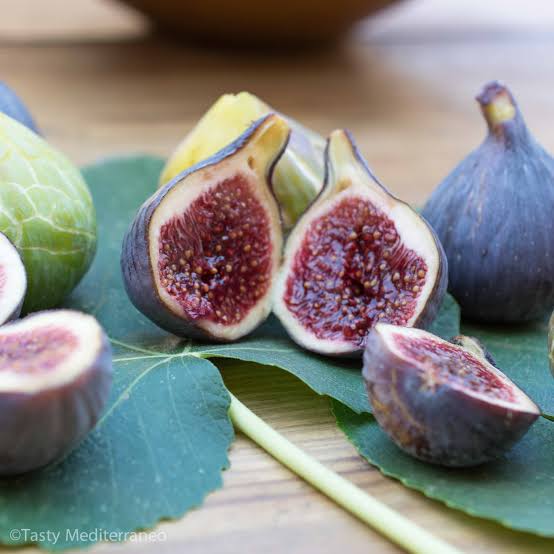
Watermelon, papaya, citrus — yeh hain asli Ramadan late night snack superstars. Hydrating, light, naturally sweet without the blood sugar crash afterward. Avoid heavy fruits like mangoes at midnight (save those for iftar where they belong, where they deserve the spotlight they get). FreshBox carries fresh fruits and exotic fruits year-round, and in Ramadan the fruit section moves fast. Order in the morning, have it ready by iftar, snack on it through the night.
6. A Light Chai (Yes, Really)
Controversial, I know. A small cup of chai at midnight isn't your enemy. Yes, caffeine. Yes, technically not ideal for sleep. But if you make it light — fewer tea leaves, more doodh, a little less sugar than your usual daba-style cup — it's genuinely comforting and takes the edge off hunger without you actually eating much.
Every Pakistani household has their own calculation on this and I'm not here to argue with anyone's auntie about it. Just keep it small. One cup, not two.
What to Actually Avoid (Honest Opinion)
Biryani at 1 AM. Main jaanta hoon. I know it's sitting right there from iftar. I know it smells like everything good in the world. But eating a full plate right before trying to sleep means you're waking up for sehri feeling like your stomach is still negotiating with rice from six hours ago. Save the leftover biryani for the next day's iftar — it tastes better reheated anyway, and you know this is true.
Same logic applies to anything heavily fried. The aloo chaat, the dahi phulki, the spring rolls — all magnificent at iftar time. At midnight they're basically a guaranteed acidity appointment by Fajr.
Sweets and mithai are the sneaky ones. One small piece of gulab jamun seems harmless. It always seems harmless. But the blood sugar spike and crash will have you wide awake at 3:30 AM, more hungry than before, staring at the ceiling wondering what possessed you. Speaking from experience — this cycle is very real and very unpleasant.
The Sehri Connection You're Probably Ignoring
Here's something about Ramadan nutrition that's actually worth sitting with: what you eat at midnight directly sets up your sehri. Go heavy and oily between 12 and 2 AM, and you'll wake up at 4 AM with zero appetite. You'll eat almost nothing at sehri. And then you'll wonder why you're starving and irritable by 11 AM, snapping at people in the office.
Eat light and sensible in the middle of the night, and you'll wake up for sehri genuinely hungry. Which means you'll actually eat a proper sehri. Which means the whole day goes better. It's a chain reaction — and the midnight snack is the link most people consistently get wrong.
The people who make it through a full day of roza without completely falling apart by Asr are usually the ones who ate with some basic logic between iftar and sehri. Not perfectly — nobody is meal prepping at 2 AM during Ramadan, let's be realistic — but with enough intention to not undo everything they built at iftar.
Getting Fresh Ingredients Without Going Anywhere
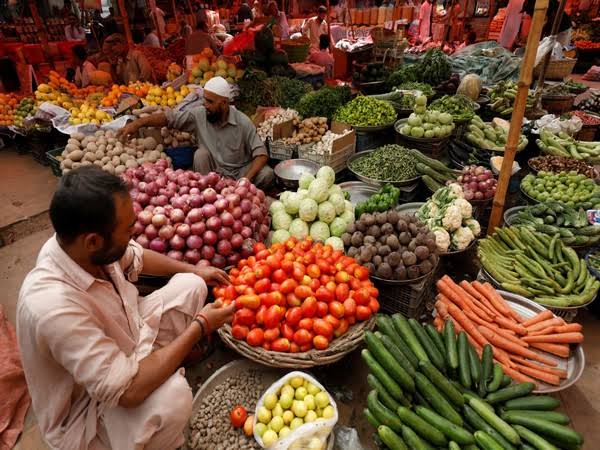
Here's the practical part. If your late-night snack situation is suffering because you simply don't have the right things at home, the answer is not a midnight run to a dhaba near Faizabad Interchange. FreshBox delivers fresh produce, dairy, fruits and vegetables same-day across Islamabad — F-6 to F-11, G-9 to G-13, E-11, I-8, I-10 — and into DHA, Bahria Town, PWD, and Rawalpindi.
Over 19,052 orders delivered. 4,814 customers across these areas who figured out that not having to fight F-10 Markaz traffic or the chaos of a packed supermarket for tomatoes and dahi is worth it — especially during Ramadan when your energy is already rationed. With 2,025+ products available, you can sort your entire Ramadan grocery list in one go. WhatsApp directly at +923376226666 or browse at freshbox.pk. Order before noon, have everything ready for iftar and the long night after.
A Simple Ramadan Late Night Snack Plan That Actually Works
Agar structure chahiye, toh yeh raha:
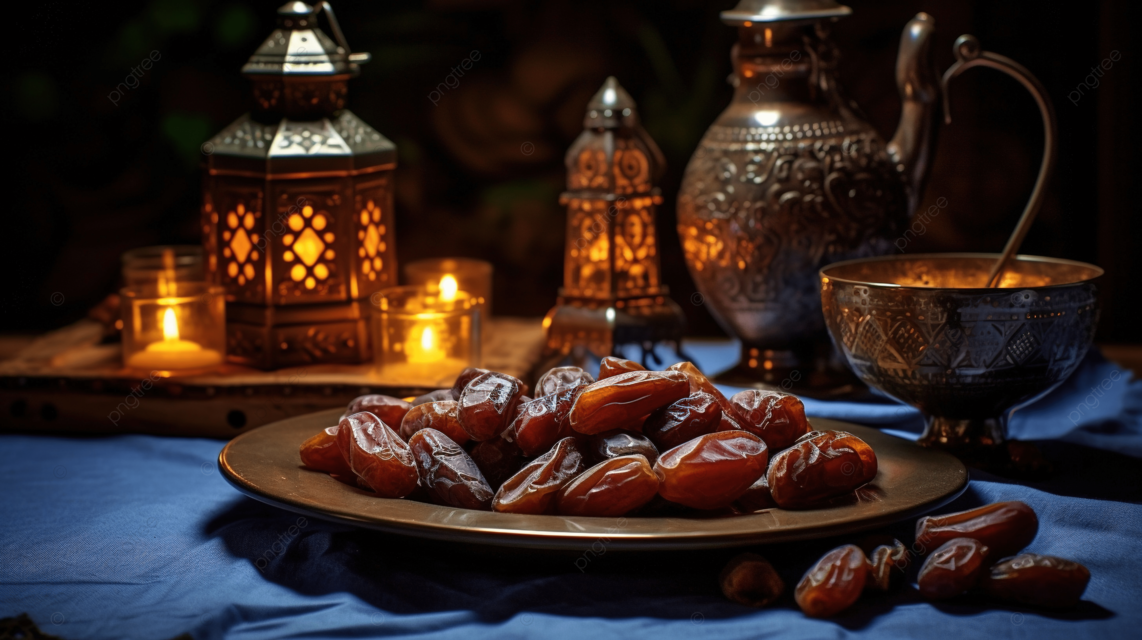
- Right after iftar (7–8 PM): Dates, water, light soup or shorbah. Give your stomach 20–30 minutes before the main assault.
- Main iftar meal (8–9 PM): Whatever you're having — eat it, enjoy it, but stop before you need to lie down to breathe.
- Midnight snack (12–2 AM): Dahi with banana or sliced fruit, a light omelette with coriander and onion, or cucumber with lemon. Something small and actually nourishing.
- Sehri (4–5 AM): This is where you load up properly — eggs, paratha, dahi, a lot of water, maybe some oats if you're that kind of person.
Nothing groundbreaking here. But the gap between knowing this and actually doing it is where most Ramadans go sideways — including mine, more years than I'd like to count.
Final Thought
Ramadan late night snacks in Pakistan don't need to be complicated, or boring, or joyless. Fresh yogurt, a banana, some cucumber with lemon, a light egg omelette with fresh coriander — yeh sab saadah cheezein hain. Humble foods. But they're the foods that actually work for the situation you're in: trying to sleep, stay hydrated, and set yourself up for a full day of fasting without collapsing.
Ramadan Mubarak. May your sehris be nourishing, your iftars be chaotic in the best way, and your midnight fridge stares end in a decision you're actually proud of by morning.
Ready to start eating healthy?
Browse our selection of fresh produce and groceries, delivered to your doorstep in minutes.
Start Shopping
Written by
Faisal ShehzadFaisal Shehzad writes practical, locally-grounded guides on groceries, seasonal produce, nutrition and home cooking for households across Islamabad and Rawalpindi.
View all articles →