
The Complete Grocery List for Large Family Pakistan
Feeding a Big Pakistani Household: A Practical Grocery Guide for Joint Families
Feeding a large joint family in Islamabad isn't like shopping for two. You're not just buying groceries — you're feeding aunts, cousins, in-laws, maybe hired help, and definitely a few extra people who seem to show up at dinner without warning. A proper grocery list for large family Pakistan isn't something you wing at the supermarket on Saturday afternoon. You need a system, numbers, and honestly, a little bit of stubbornness about not overspending.
Real talk: most people shopping for joint families make the same mistake. They go to the market without a plan, fill their baskets based on what looks good, and somehow spend three times the budget. Then Wednesday rolls around and you're out of flour again, and somebody's already run out of tea. It's chaos. But it doesn't have to be.
Start by knowing your exact numbers
Before you even think about what to buy, figure out exactly how many people you're feeding. Not just the count — the portion sizes matter too. A teenage boy eats more than a five-year-old. Someone working construction eats differently than someone in an office job. Once you know your actual numbers, you can calculate backwards to real quantities.
For a typical joint family of 10-12 people, you're looking at roughly 12-15 kilograms of flour per month, sometimes more depending on how much bread you make at home. Rice — if you're a rice-eating household, and honestly, most of us are — you'll need 4-5 kilograms per week. These aren't guesses. Track what you actually use for one month and you'll have a baseline that works.
Staples that don't negotiate
Every single household has non-negotiables. Flour. Oil. Salt. Lentils. Rice. Spices. These are the backbone of every meal, and if you run out, the entire household goes into crisis mode.
Buy flour in bulk. A 20-kilogram bag is cheaper per kilo than buying 2 kilograms at a time, and flour keeps for months if you store it properly in an airtight container away from moisture and insects. Same logic with oil. A five-liter container costs less per liter than individual bottles, and you'll use it anyway. For lentils, buy variety — red lentils, yellow lentils, split peas. Different textures, different uses, and your family won't eat the same dal every single day, which matters when you're cooking three meals a day, 365 days a year.
Don't cheap out on rice
This matters more than people realize.
Don't buy the cheapest rice available just because it's cheap. You'll regret it. A medium-quality basmati costs maybe 50 rupees more per kilo than budget rice, but it cooks better, tastes better, and honestly, people notice. For a family of 12, the difference between good and cheap rice is maybe 200 rupees per month. Spend it.
Stock two types. A decent basmati for special meals and family dinners. A good everyday white rice for regular meals. And if your family eats brown rice or other varieties, follow the same rule — buy what you actually eat, in bulk, from a place you trust. Consistency matters when you're feeding a large household.
Fresh produce without the waste
This is where most households fail with their grocery list for large family Pakistan. They buy too much, it goes bad, money gets wasted, and then someone complains there's nothing fresh in the house.
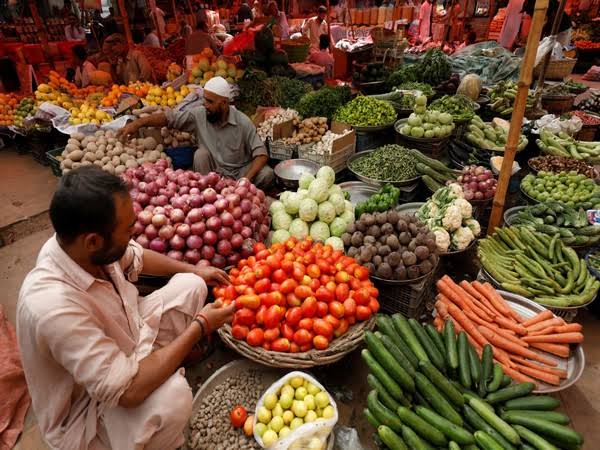
Buy produce on a schedule, not randomly. Visit the vegetable market — whether it's the Sunday Bazaar or your regular neighborhood vendor — on the same day every week or every few days, depending on what spoils fastest. Tomatoes, onions, and potatoes last longer. Leafy greens and delicate vegetables last three or four days, maybe five if you're careful about storage. Plan your meals around what's in season and what you've already bought.
And here's an insider tip: frozen vegetables aren't the enemy. When you buy peas or beans and they go bad, that's money in the trash. Frozen vegetables cost less, don't spoil, and you can use them whenever you need them. There's no shame in frozen when you're feeding 12 people.
The spice strategy
A large family needs spices in bulk, but not the way most people think. Don't buy five different containers of whole spices from the same vendor all at once. Buy what you use most frequently in slightly larger quantities — cumin, coriander, turmeric, red chili powder. These get used in almost everything.
Specialty spices — whole mace, black cardamom, fenugreek — buy smaller amounts because you use them less often and they lose strength over time anyway. Store everything in airtight containers, away from direct sunlight and heat. A spice in a container by your stove in the blazing Islamabad sun is basically useless after a month.
Smart shopping habits that actually work
Make a detailed list before you leave the house. Include quantities. Not just "onions" — "3 kilograms of onions." Not "lentils" — "500 grams of red lentils, 500 grams of yellow lentils." This stops you from buying three different types when you only came for one.
Don't shop when you're hungry. Everyone knows this and everyone ignores it anyway. A hungry person buying groceries for a large family is a person who'll spend an extra 1,000 rupees on things nobody asked for. Build relationships with the vendors you shop from regularly. Regular customers get better prices, better quality produce, and vendors will hold things for you or let you know when premium items arrive. This matters more than you think when you're feeding a large household consistently.
Organization at home matters
Once you've bought your groceries, the work isn't done. Organize them properly. Keep a running list on the fridge of what's almost finished. This prevents the situation where you buy something last week and don't realize it because it's hidden at the back of the shelf somewhere.
For a large family, consider bulk buying just the basics and shopping more frequently for fresh items. Some households do one massive shopping trip per month for staples and two smaller trips per week for produce and dairy. Others do weekly comprehensive shopping. Figure out what works for your family's routine and your traffic tolerance navigating F-10 market on a Saturday.
The real truth
Feeding a big joint family means accepting that you'll never have a perfect grocery list. Unexpected guests show up. Someone develops a sudden craving. A teenager eats like it's a competition. You adjust and you move forward.
But a good system, a realistic budget based on your family's actual numbers, and knowing what you truly use — that's the foundation. You can order your regular staples and basics for delivery from FreshBox when you need consistent supplies, but the real skill is knowing what those supplies actually need to be for your specific family. Only you can figure that out.
Ready to start eating healthy?
Browse our selection of fresh produce and groceries, delivered to your doorstep in minutes.
Start Shopping
Written by
Faisal ShehzadFaisal Shehzad writes practical, locally-grounded guides on groceries, seasonal produce, nutrition and home cooking for households across Islamabad and Rawalpindi.
View all articles →