
The Pakistani Sour Spices You're Probably Buying Wrong
Your Dadi Was Right About Everything (Especially the Khattai)
You know that moment when a dish tastes almost right — the masala is good, the texture is there, but something is just off? Nine times out of ten, the problem is the souring agent. Either you used the wrong one, or you bought the cheap, faded, dusty version from a bin that's been sitting on some shop shelf since last Eid. Maybe the one before that.
Amchur, khatai, anardana. These three Pakistani sour spices do completely different jobs in your cooking, and most people are using them interchangeably — or worse, skipping them entirely and squeezing lemon over everything and calling it done. Your dadi would have something to say about that, and none of it would be kind.
What Even Is the Difference?
These three are not the same thing. You cannot swap them without noticing. Full stop.
Amchur (آمچور) — Dried Mango Powder
Amchur is ground from unripe, dried green mangoes. It's tart but also slightly fruity — that's what separates it from plain citric acid. It goes into chana chaat, fruit chaat, samosa filling, and that specific tang you taste in a good dahi baray. Everyday Pakistani sour spices cooking almost always starts here. It's the most versatile of the three.
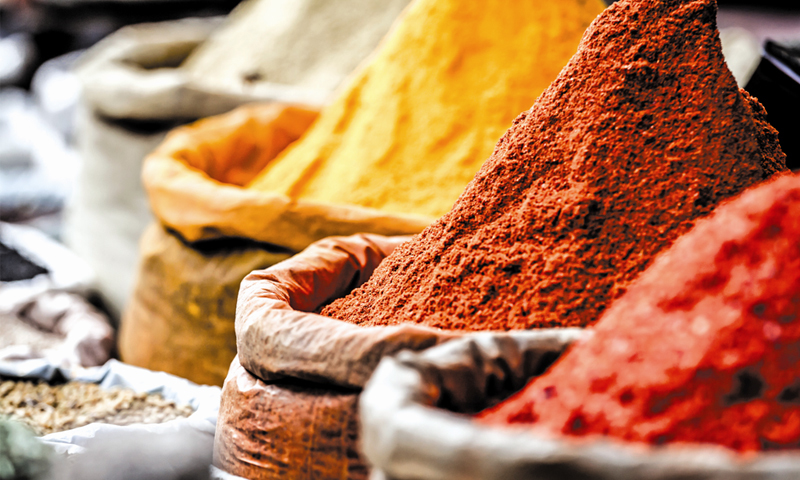
The problem? Cheap amchur is basically just powder with ambitions. Good amchur has a slightly fibrous texture, a strong smell when you open the packet, and a color that's pale beige to light khaki — not grey. If it looks grey and smells like nothing, throw it out. Seriously, into the bin, no hesitation.
Khatai (کھٹائی) — Dried Mango Seed or Pomegranate Seeds
Here's where it gets confusing. In Pakistan, "khatai" means two completely different things depending on which city your family is from.
In Lahore and Punjab broadly, khatai often refers to dried pomegranate seeds — essentially anardana. But in Karachi and parts of Khyber Pakhtunkhwa, khatai means the dried seed of the raw mango, aam ki guthli. The seed version has a much more intense, concentrated sourness. Less fruity, more aggressive. It's what goes into dal, karahi, and slow-cooked meat dishes where you want depth, not brightness. Buy it whole if you can — ground khatai loses potency fast. Within weeks, not months. I've wasted good khatai this way more than once, so trust me on this.
Anardana (انار دانہ) — Dried Pomegranate Seeds
Anardana is the most underused of the three, which is genuinely a shame because it's extraordinary. Dried pomegranate seeds have a tangy-sweet complexity that amchur simply doesn't have. They work brilliantly in chutneys, saag, and stuffed parathas. The famous Punjabi anardana chutney that actually goes with samosas — not tamarind, not mint — that's this one. If you grew up eating it at someone's house and could never figure out what made it different, now you know.
Good anardana should be dark, slightly sticky, and smell faintly of pomegranate when you open the container. Bone dry and odorless means it's been sitting too long. Move on.
Why Freshness Matters More Than Quantity
In Pakistani sour spices cooking, the quality of these ingredients is everything. Unlike whole spices where you can compensate by adding a bit more, souring agents that have gone stale don't give you less flavor — they give you flat, one-dimensional sourness without the complexity that makes a dish actually sing.
I once ruined a perfectly good aloo chaat by using amchur from a packet I'd opened four months ago and left unsealed. Learned that lesson exactly once.
The specific issue in Islamabad and Rawalpindi is that most supermarket shelves aren't turning over these specialty items fast enough. You go to a big superstore near F-10 Markaz or the shops around Aabpara, and that anardana packet has been sitting there since before the last election cycle. Buy from places with high turnover. Buy fresh when you can find it. And store what you have properly — airtight containers, away from the stove.
Your spice rack sitting directly above the hob is actively destroying your ingredients. I say this with love but also with zero apology.
How to Actually Use These in Your Cooking
Amchur: Finish, Don't Cook
Add amchur towards the end of cooking, or as a finishing sprinkle. High heat destroys the delicate fruity notes and you're left with just raw tartness. In chana chaat or samosa aloo filling, add it off heat and toss to combine. This one change alone will improve your chaat significantly.
Khatai: Early and Slow
Khatai — especially the seed variety — benefits from time. Add it early in dal or karahi so it can release its flavor slowly into the liquid. A pinch added when the onions are going in completely changes the final dish. This is not a finishing spice. Don't treat it like one.
Anardana: Toast It First
This is the one tip most people skip, and it drives me slightly mad. Lightly dry-toast whole anardana for 30-40 seconds in a hot pan before grinding or adding it whole to a dish. It wakes up the oils in the seed and almost doubles the flavor you get out of it. Try it once and you'll wonder why no recipe ever told you this. Then you'll do it every single time.
The Supply Chain Problem Nobody Talks About
Here's the thing: these ingredients are almost always stale by the time they reach your kitchen if you're buying from a random supermarket. The supply chain for specialty masalas in Pakistan is long and slow. Things sit in a warehouse in Lahore, then a distributor in Rawalpindi, then a shop somewhere in G-13. By the time that sealed packet reaches you, it's been six months minimum. Sometimes longer. The "best before" date on the label is optimistic, let's say that much.
Freshly sourced ingredients — bought from a sabzi mandi with high turnover, or through a delivery service that's constantly rotating stock — taste completely different. This is one of the reasons FreshBox has built a loyal customer base in Islamabad and Rawalpindi. With 19,000+ orders delivered and over 4,800 customers ordering regularly, the stock moves fast. Fast stock turnover means fresher ingredients on your end. That's not a marketing point — that's just basic logic about how perishables work, and it applies to spices too.
The top-ordered items on FreshBox tell their own story: tomatoes (ٹماٹر), onions (پیاز), fresh dahi, dhaniya, pudina — that's basically a chaat and raita assembly list. People in Islamabad are clearly cooking real food at home. Which means they need their souring agents to actually work, not just exist on the shelf for psychological comfort.
A Quick Substitution Guide (Emergency Use Only)
- Out of amchur? A small squeeze of lemon and accept that it won't be the same.
- Out of anardana? A mix of dried tamarind and a pinch of black salt gets you somewhere in the neighborhood.
- Out of khatai? Kokum or dried tamarind works for slow-cooked dishes.
These are emergency moves, not cooking philosophy. Plan better. Buy a small quantity of each and keep them sealed. It takes five minutes of organization and saves you a lot of flavor grief later.
What 512 Orders Last Month Tells Us About How Islamabad Cooks
FreshBox fulfilled over 512 orders in the last 30 days alone, and the most popular items — dhaniya, pudina, cucumber, tomato — are the building blocks of desi summer cooking. Fruit chaat season is already creeping up on us. Iftaar spreads will follow not long after. These are the moments when your amchur and anardana need to be fresh and ready, not some mysterious grey powder unearthed from the back of a cabinet during a frantic pre-Iftaar cook. Speaking from experience — that's not a fun situation to be in with guests arriving in forty minutes.
Pakistani sour spices cooking is genuinely not complicated. It just requires using the right spice, at the right stage of cooking, from a source that hasn't let it sit for a year on a shelf. That's it. That's the whole secret your dadi had.
The Bottom Line
Amchur, khatai, and anardana are not interchangeable. They do different jobs, they have different freshness lifespans, and using the wrong one — or a stale one — will quietly ruin your dish in a way that's genuinely hard to diagnose. You'll keep adjusting the salt, the mirch, the everything, and the dish will still be off. Because the problem was the khatai from three months ago.
Your dadi knew the difference. She used khatai in her dal and anardana in her chutney for a reason, not by accident. That institutional knowledge is worth preserving, and it starts with actually buying quality ingredients and storing them right.
Buy fresh. Store right. Toast your anardana. And for everything else going into your weekend chaat — order your sabzis and dahi same-day so they arrive the way they're supposed to.
Your chaat will thank you.
Ready to start eating healthy?
Browse our selection of fresh produce and groceries, delivered to your doorstep in minutes.
Start Shopping
Written by
Faisal ShehzadFaisal Shehzad writes practical, locally-grounded guides on groceries, seasonal produce, nutrition and home cooking for households across Islamabad and Rawalpindi.
View all articles →