
Why Qurbani Meat Delivery Got So Expensive This Year
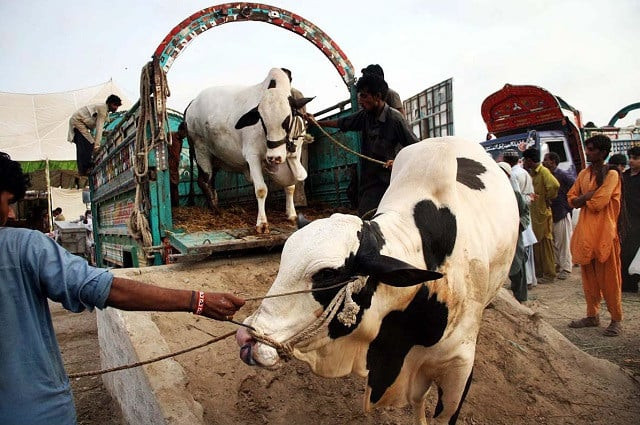
Why You're Paying More for Qurbani Meat This Year (The Delivery Angle)
Your butcher's prices have gone crazy. A kilogram of lamb is pushing 2,500 rupees in Rawalpindi. And if you thought qurbani meat delivery would somehow be cheaper? Think again.
Qurbani season has always meant paying more — that's how supply and demand works in Pakistan. But this year feels genuinely worse. There are specific reasons why qurbani meat prices have climbed faster than inflation, and why delivery options cost even more.
What's Happening With Qurbani Meat Delivery Prices
First, the numbers. Lamb for qurbani is 2,400-2,600 rupees per kilogram right now. Beef is slightly cheaper. Add 200 rupees if you're ordering through a qurbani meat delivery service — that's for packaging, ice, and logistics.
Three things are colliding this year. First: livestock costs climbed because feed and fodder got more expensive. Second: farmers are holding animals longer, betting on higher peak-season prices in late May and early June. Third: electricity costs for cold storage have exploded, making the supply chain more expensive to run.
And then there's delivery itself — it's not as simple as handing you a bag at your door.
Why Delivery Costs More Than Your Local Butcher
Regular meat prices are up. But qurbani meat delivery prices have spiked harder because of the concentrated demand window.
In May and June, every grocer, butcher, and delivery app is scrambling for the same animals. Everyone stocks up simultaneously, driving prices artificially higher. It's like the Sunday Bazaar but nationwide.
Delivery services also pass along infrastructure costs. Fuel. Insulated packaging. Ice packs. Cold chain logistics. Liability insurance if something spoils during transport. Qurbani meat delivery requires faster turnaround than regular butchery — meat needs to reach you within 12-18 hours of slaughter, not days. That coordination is expensive.
Three Reasons Your Bill Is Bigger
Livestock Scarcity
Farmers know what's coming. When prices start climbing in March and April, they don't rush to sell. They hold and wait for peak pricing. Fewer animals come to market early, which means less supply for delivery services trying to stock up.
Cold Chain Costs
Cold storage is brutal in Pakistan's climate and electricity situation. Power outages during transport are a financial loss. Insulated boxes, ice, refrigerated trucks — these aren't cheap. That cost gets passed to customers.
Seasonal Labor Crunch
Butchers hire seasonal staff during Qurbani. Drivers, packers, quality checkers — everyone's wages rise because there's competition for labor. That increases operating costs.
Why Prices Won't Drop Until After Eid
And honestly? You'll keep paying premium prices through mid-June. The demand window is short — a few weeks in May and early June. Suppliers know you can't skip Qurbani because meat costs are high.
Online transparency makes it worse. When you walk to your local butcher, you see one price. When you compare qurbani meat delivery services online, you see five prices and know the market has moved. That visibility drives competition, which pressures services to maintain high margins to stay profitable.
How to Not Get Completely Fleeced
Order early. Right now, in mid-May, prices are still climbing toward the peak. Late May and early June is when you'll see the most brutal pricing. If possible, order before the last week of May.
Buy from services showing the actual cut and weight before checkout. Customizing your order — boneless leg, shanks, mince — means you're not paying for bone and connective tissue you don't want. That precision saves money.
Here's the real insider tip: buying a full qurbani share with two or three families is noticeably cheaper than individual portions. Your butcher's premium for small orders is built into every online purchase. Bulk qurbani meat delivery drops the per-kilogram cost significantly.
Ask about the animal's age and type. Younger goats are tender but pricier. Three-year-old sheep are fattier and perfect for biryani, nihari, karahi. Knowing what you're cooking informs whether you're overpaying for the wrong cut.
Why Delivery Still Makes Sense
Despite the premium, qurbani meat delivery has real advantages over your neighborhood butcher.
Consistency. Most delivery services are certified and transparent about sourcing — you know where the animal came from and exactly what you're getting. Your local butcher's standards might vary.
Sanity during chaos. When the butcher shop is a war zone in late May — crowded, sweaty, overwhelming — ordering meat on your phone has genuine value.
Digital accountability. A complaint to an online service is tracked and actually matters. Your local butcher gives you a smile and an excuse about market rates.
The Real Deal
Qurbani meat delivery costs more this year because everything upstream got pricier and more complex. Livestock scarcity, electricity costs, cold chain logistics, seasonal wages — it adds up.
You can't avoid paying more, but you can be smart about timing, volume, and what you buy. Order early, buy in bulk with friends, and choose services that give you transparency on cuts and sourcing.
When you're ready to order, you can get fresh qurbani meat delivered via FreshBox, where you customize every part of your order and skip the butcher shop chaos entirely.
Ready to start eating healthy?
Browse our selection of fresh produce and groceries, delivered to your doorstep in minutes.
Start Shopping
Written by
Faisal ShehzadFaisal Shehzad writes practical, locally-grounded guides on groceries, seasonal produce, nutrition and home cooking for households across Islamabad and Rawalpindi.
View all articles →