
10 Tips for Eating Healthy on a Budget

1. Plan Your Meals
Take 30 minutes each week to plan your meals. This simple habit can save you hundreds of rupees by preventing impulse purchases and reducing food waste.
2. Make a Shopping List
Once you've planned your meals, create a detailed shopping list and stick to it. This keeps you focused and prevents unnecessary purchases.
3. Buy Seasonal Produce
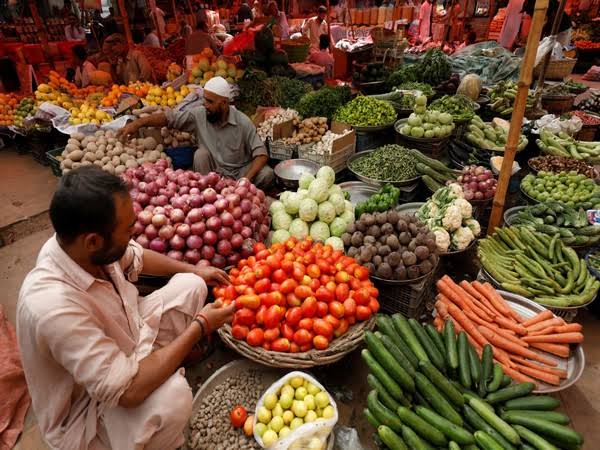
Seasonal fruits and vegetables are not only fresher and more nutritious, but they're also significantly cheaper. Right now in Pakistan, winter vegetables like spinach, carrots, and turnips are at their peak.
4. Buy in Bulk
Staples like rice, lentils, and spices are much cheaper when bought in larger quantities. Just make sure you have proper storage to keep them fresh.
5. Cook at Home
Home-cooked meals are almost always healthier and cheaper than restaurant food or takeout. Try batch cooking on weekends to save time during busy weekdays.
6. Embrace Lentils and Beans
Dal and beans are incredibly nutritious, packed with protein and fiber, and extremely affordable. Incorporate them into your diet several times a week.
7. Reduce Meat Consumption
Meat is often the most expensive item on shopping lists. Try having a few meatless meals each week, substituting with eggs, paneer, or legumes.
8. Minimize Processed Foods
Processed and packaged foods are typically more expensive and less healthy than whole foods. Stick to the basics: fresh produce, whole grains, and proteins.
9. Don't Waste Leftovers
Get creative with leftovers. Yesterday's roti can become today's paratha, and leftover vegetables make great additions to omelets or rice dishes.
10. Use FreshBox Smart Deals
Take advantage of daily deals and discounts on FreshBox. Our partner stores regularly offer special prices on fresh produce and pantry staples.

Ready to start eating healthy?
Browse our selection of fresh produce and groceries, delivered to your doorstep in minutes.
Start Shopping
Written by
Faisal ShehzadFaisal Shehzad writes practical, locally-grounded guides on groceries, seasonal produce, nutrition and home cooking for households across Islamabad and Rawalpindi.
View all articles →