
September Weather Humidity: Keep Your Spices Fresh
When September Weather Humidity Drops, Your Pantry Feels It
September in Islamabad hits different. That crushing heat finally loosens its grip, and everyone sighs with relief. But here's what nobody warns you about — the humidity drop that comes with september weather humidity can absolutely destroy your pantry if you're sleeping on storage. Most people don't even realize it's happening.
Your spices. Your flour. Your dried pulses. All of it's silently absorbing and releasing moisture, constantly. And when september weather humidity starts fluctuating, your carefully organized kitchen essentials turn into a nightmare faster than you'd think. It's not dramatic. It's sneaky.
Why This Matters More Than You Think
Look, spices aren't just flavor. They're the entire soul of your cooking. That cumin you spent money on? It's got a limited shelf life, and moisture is its worst enemy. Humidity kills it.
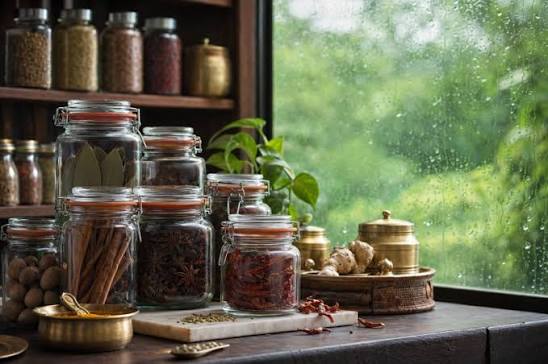
When september weather humidity changes, your spices go first. The volatiles start vanishing. Your turmeric loses its golden intensity. Cardamom gets soft and mushy instead of crisp. Red chilies start losing their bite before you even crack open the packet. It's not dramatic or obvious — it happens quietly over a few weeks, and suddenly you're wondering why your biryani tastes flat.
But it's not just spices.
What September Humidity Actually Does to Your Dry Goods
Flour is sensitive. Atta needs to stay dry, or it starts clumping up, and you've got this weird paste situation when you're trying to make dough. Lentils absorb moisture and get soft — they won't cook properly after that. Dried fruits go tacky. Nuts go rancid. Everything suffers.
The problem isn't the heat anymore. It's the humidity shift. September weather creates these weird micro-climates in your kitchen depending on where you store things. Your spice rack near a window? Different humidity level than your cupboard next to the stove. Your pantry door getting opened constantly? That's letting in whatever moisture is floating around.
Real talk: most of us store our essentials in whatever cupboard has space, not thinking about ventilation or moisture. We just shove things in. Then wonder why everything tastes off by October. We blame the shopkeeper. We blame the product. But really, we're just not storing things right.
Here's What You Actually Need to Do
First, get your hands on proper airtight containers. Not the fancy glass ones that cost a fortune. Just solid, working airtight boxes — plastic is fine. Transfer everything that came in paper packets into these containers. Spices, dried fruits, nuts, lentils, flour, chickpeas, everything. The paper is porous. It lets moisture in constantly.
Second, throw a few silica gel packets in there. Or, if you want to go old-school, use uncooked rice in a cloth pouch. Your grandmother knew this trick decades ago. Rice absorbs moisture and keeps things dry. It actually works, and it costs almost nothing.
Third — and this is important — stop storing things near your stove or next to an open window. I know your kitchen's packed and there's nowhere else to put anything, but moisture and heat are your spices' enemies. Find the darkest, driest, coolest spot you can. A cupboard in your living room or bedroom works better than your kitchen during these months. Yes, it's inconvenient. It's also the difference between good food and mediocre food.
Fourth, buy smaller quantities during september weather humidity transitions. I know bulk buying feels smarter on your budget, but you're not saving money if half your stock goes bad. Buy what you'll use in three to four months. Smaller, fresher batches. Always.
Check Your Stock Right Now
Go look at your spice rack. Seriously. Open something you haven't used in a week. Does it smell right? Is the color still bright? If not, that's your humidity problem staring you in the face. This isn't theoretical.
Smell is your best indicator. Spices should smell strong and alive. If they smell muted or dusty or musty, they're done. No amount of using extra will bring back that flavor. You're just wasting the rest of it. Throw it out and start fresh.
And here's an insider thing: start rotating your stock. Use your oldest spices first, buy new ones to replace them. Don't let anything sit in your cupboard for more than six months. During september weather humidity fluctuations especially, things move fast. Don't assume something's fine just because it was fine last month.
The Real Issue
Most of us think pantry organization is about looking pretty or being neat. It's not. It's about keeping your food actually fresh and flavorful. And that means respecting humidity, respecting your storage spaces, respecting the fact that september weather humidity changes can completely alter your kitchen environment. Your pantry isn't some static thing. It's alive and changing.
Your pantry is literally the foundation of every meal you make. Protect it. Take it seriously. Because there's no amount of cooking skill that can save a dish made with stale, moisture-damaged spices.
When you're restocking your spice racks and dry goods, you can order everything fresh from FreshBox — no dealing with humidity-damaged bulk stock from the market.
Ready to start eating healthy?
Browse our selection of fresh produce and groceries, delivered to your doorstep in minutes.
Start Shopping