
September Figs: Pakistan's Overlooked Autumn Treasure
Every September, There's a Quiet Moment
Every September, there's this quiet moment when the summer fruit season starts checking out and the winter produce hasn't quite arrived yet. Most people ignore this gap entirely and just go back to eating the same mangoes and apples they've had on rotation all year. It's like they're stuck in a loop. But if you're actually paying attention, there's something special happening in the markets right now: september figs are arriving.
Real talk: most Pakistanis have absolutely no idea what they're missing.
Why September Figs Are the Overlooked Autumn Treasure
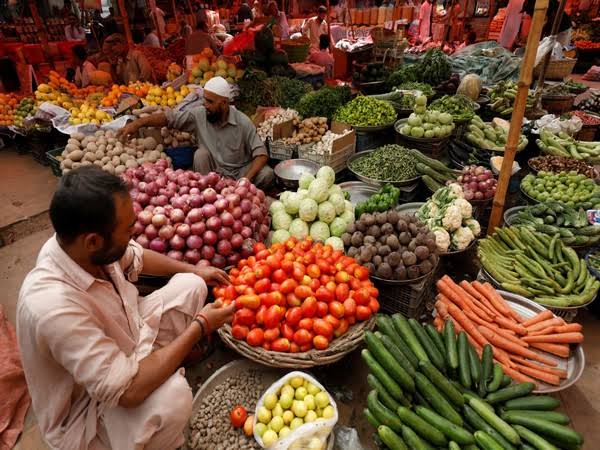
I'm going to be direct here. September figs sit right there in the vegetable market or your local vendor's stand, and people just walk past them like they're nothing. Maybe it's because they're not flashy enough. Maybe it's because no one's made an Instagram aesthetic out of them yet. Or maybe it's just that we don't have a strong fig culture in Pakistan the way we do with mangoes or citrus.
But here's where it gets interesting: figs actually grow really well here. We have fig trees in gardens across Islamabad, Rawalpindi, and the Punjab. Some of them are ancient. Some have been in someone's backyard for decades. Most households just treat the fruit like a novelty though — the kind of thing you eat when you're visiting someone's house and they offer you one fresh off the tree.
September figs are different. They're the whole point.
What Exactly Makes September Special
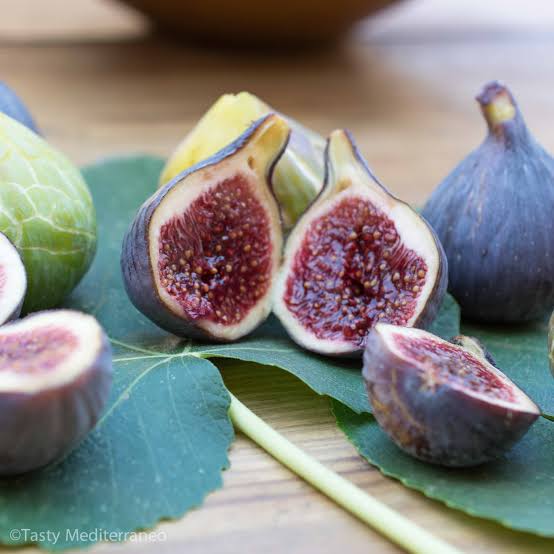
Look, figs have their seasons, but September is when they peak. By this time of year, the summer heat has been building for months. The late-season crop gets sweeter, denser, and more intensely flavored than anything you'd catch earlier in the summer. The skin darkens to deep purples and almost blacks. The flesh inside turns jammy and concentrated.
If you bite into a ripe september fig that's been sitting in the afternoon sun, it's genuinely like eating nature's candy — the messy, dripping-down-your-hands kind, not the refined packaged version you buy in boxes. The color variation alone is worth paying attention to. You get deep purples, almost blacks, lighter browns, and sometimes this mottled pattern where the skin shows you exactly where the sun hit hardest. That pattern is literally telling you how much sugar is inside.
The smell is something else entirely. A ripe fig smells warm and honey-sweet. Nothing artificial. Nothing that needs explanation.
How to Pick a Ripe September Fig (The Part Most People Get Wrong)
This is where the frustration starts for most people. They buy figs, they're disappointed, they taste mealy and bland, and they write the whole fruit off forever. The problem is that figs have this narrow window of perfection. Too early and they're mealy and tasteless. Too late and they split open and ferment inside.
Here's what to look for. A ripe september fig should give slightly when you squeeze it gently in your palm. Not squishy — you're not trying to destroy the thing — but you should feel a tiny bit of give, like there's juice inside waiting. If it's rock hard, it's not ready yet. The stem should be slightly moist, not dry and shriveled. And the skin? It should look a bit wrinkled and concentrated-looking, like it's been concentrating all its energy in the sun. That's actually a good sign.
Here's an insider tip that'll actually change the game: if you're buying from a vendor you recognize and trust, ask them specifically which figs they picked that morning. They'll know. They'll tell you which ones are actually ripe versus which ones are just sitting there looking pretty.
What to Do Once You've Got Them Home
September figs don't last long once you've bought them. This isn't like buying apples that'll sit in your fruit bowl for three weeks untouched. These fruits have an expiration date measured in hours, not days. The best way to eat a september fig is literally the day you buy it. Cut one in half lengthwise and look at what you've got. See the tiny seeds inside? See the red-pink color that's almost glowing? That's what you're after. Eat it straight up, skin and all.
Or arrange the halves on a plate with some good yogurt and a thin drizzle of honey. Stupid simple. Stupid good. If you absolutely must store them, refrigerate them in a single layer on a plate — not stacked on top of each other, because they bruise incredibly easily — and use them within two or three days maximum. I've made the mistake of buying a heap of september figs on a Friday, thinking I'd use them throughout the week, and by Tuesday half of them had split open and started fermenting inside the fridge.
What You Can Actually Make (Beyond Eating Them Fresh)
Jam. This is the real move if you want to preserve them. Fresh september fig jam is incredible because the figs are already so jammy and concentrated that you barely have to cook them down. Pit them, put them in a heavy-bottomed pot with a little sugar, a squeeze of lemon juice, and maybe some vanilla or a pinch of ground cardamom if you're feeling fancy. Twenty minutes on medium heat and you've got something that tastes like bottled sunlight.
The other play? Roast them. Halve the figs, roast them face-down at 200°C for fifteen minutes with a little olive oil and sea salt. The edges caramelize slightly, the insides get sticky and warm, and you've got this incredible fruit that goes perfectly alongside soft cheese or scattered into a salad of fresh greens and nuts. Some people dry september figs, but honestly, that requires more patience than most of us have.
Why September Matters for Fig Season
September figs are proof that Pakistani agriculture has its own rhythm. We're not following some global fruit calendar or corporate agricultural schedule. The fig tree in someone's garden in F-10 doesn't care what season Americans are in right now. September is when the late summer heat has done its job properly. The figs have had months of sun exposure and warmth. Sugar levels peak. There's this specific moment where they're all ready at exactly the same time. Miss it, and you're waiting until next year.
This is probably why your grandmother remembers fresh figs more clearly than you do. Fifty years ago, people weren't buying strawberries in December or mangoes in February. They ate what was in season, period. When it was september fig season, that's what you'd find in every kitchen and market stall.
Where to Actually Find Them
Here's the frustrating part: they're harder to hunt down than they should be. Most supermarkets won't stock them because they're too fragile for regular distribution and the shelf life is way too short for their supply chains. Your best bet is a good fruit vendor at a proper vegetable market. Somewhere like Kohsar Market, or a reliable vendor who does the rounds at the Sunday Bazaar. Ask specifically for september figs and they'll know exactly what you mean.
You can also order them delivered fresh to your door. FreshBox carries fresh september figs from local farms, usually pre-selected so you don't have to spend time figuring out which ones are actually ripe.
The Real Talk
September figs won't change your life. I'm not going to pretend they're some miracle fruit. But they will change your September. Once you've had a ripe september fig at the peak of its season, soft and warm and dripping with juice, you'll understand why people have been eating them for thousands of years across different continents.
So this september, don't miss them. Hunt them down. Eat them fast. Come back next year and do it all over again.
Ready to start eating healthy?
Browse our selection of fresh produce and groceries, delivered to your doorstep in minutes.
Start Shopping