
Post-Flood Produce Prices Peak in September: Here's Why
Your September Vegetable Bill Got Expensive. Here's Why.
Your September vegetable bill just arrived and you did a double-take. Tomatoes are almost double what they cost in August. Peppers have vanished from regular stalls. Even humble onions seem to have quietly gotten expensive. If you're wondering whether you imagined the affordability of summer, you didn't. Something real happened between late August and right now—something directly tied to what occurs in Pakistan's agricultural heartland during monsoon season.
September in Islamabad and Rawalpindi brings a predictable shock to household grocery budgets. Post-flood produce prices aren't just a minor inconvenience. We're talking 30 to 40 percent increases on staples that appear in almost every meal. For families running tight monthly budgets, this is genuinely painful.
Here's what you actually need to understand about why post-flood produce prices spike so dramatically and when they'll finally come down.
The Reality of August Monsoons and Farm Flooding
August means monsoon season. The kind of rain that turns highways into rivers, cancels flights, and—most relevantly—floods the vegetable farms across Punjab where Pakistan's fresh produce grows.
Pakistani farmers don't have the irrigation management or weather-resilient infrastructure protecting crops in other countries. When August rains hit, entire fields get submerged. We're talking total crop loss across thousands of acres. Tomato fields. Pepper crops. Squash patches. All waterlogged. All rotted. All lost before harvest.
What happens next is basic economics. Supply collapses completely. Demand stays exactly the same—everyone still needs vegetables. Prices shoot upward. It's inevitable.
The timing matters though. It's not instant. Farmers assess damage. Traders sense the shortage coming. By early September, the shortage hits retail markets. Your vegetable vendor suddenly quotes prices that make you wince.
Which Produce Gets Hit Hardest?
Not everything gets hammered equally, which is important to understand.
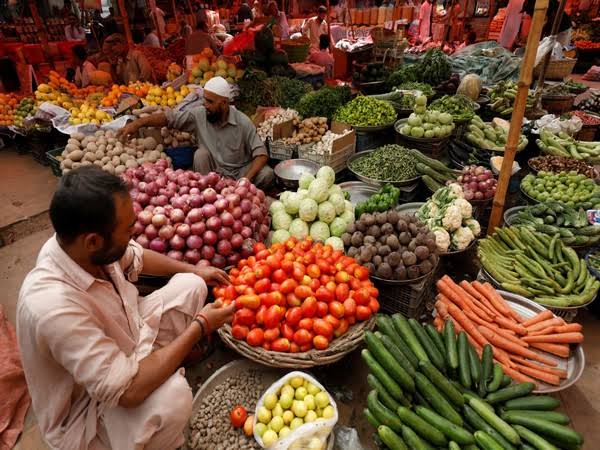
Tomatoes take the biggest hit—and I mean brutal. They're monsoon casualties because they're water-sensitive. Rain at the wrong growth stage splits the crop or causes rot. Prices can triple. I've seen tomatoes in F-10 market jump from 80 rupees per kilogram in July to nearly 250 rupees by mid-September. That's the actual market.
Peppers—both green and red—get destroyed next. They're similarly vulnerable to waterlogging. Eggplants disappear entirely or become luxury items. Potatoes and onions see more modest increases because they store better and growers pivot faster. Maybe 20 to 30 percent. Leafy greens suffer because floods damage the soil itself, not just the current crop.
Interestingly, cucumbers and courgettes stabilize faster. Summer varieties finish early and growers pivot quickly to autumn plantings. By then you're already buying tomatoes at premium prices for your biryani or raita.
Local produce gets hit much harder than imported alternatives. Shop at a proper vegetable market in September versus July and the difference is immediate. Prices. Crowds. Selection. Everything's different. This is the lived reality of seasonal shopping in Islamabad and Rawalpindi for most families.
Understanding Post-Flood Produce Prices and Recovery Timelines
Everyone wants to know when this ends.
Mid-September to late October is typically when recovery starts, assuming flooding wasn't catastrophic that year. By mid-October, new autumn crops arrive. Supply normalizes. Post-flood produce prices for tomatoes decline toward something approaching reasonable. Not July levels, but less painful for the household budget.
Here's the reality: prices don't crash back down suddenly. They decline gradually. And "normal" is relative. Prices rarely hit pre-flood lows because damage persists. Soil quality takes time to recover. Some farmers lost everything and can't replant immediately. The effects ripple through the season in ways that aren't obvious.
October rains matter significantly too. Light rain helps autumn planting wonderfully. Heavy rain creates an entirely new shortage scenario heading into winter. The whole cycle restarts.
Monsoon intensity varies yearly. Some years see milder flooding and faster recovery. Other years—the bad ones—the shortage extends longer and prices stay elevated through October. If you're tracking when post-flood produce prices actually stabilize, pay attention to late August rainfall reports.
Smart Money Moves When Prices Spike
What do you actually do when your weekly vegetable budget jumps 40 percent overnight?
Shift your meal planning. This isn't deprivation—it's pragmatism. September isn't the month to load your biryani with abundant fresh tomatoes. Use them strategically. Make pulses and dals your meal centerpiece instead. Use canned tomatoes for cooking when fresh ones cost too much. Nobody's health suffers eating lentil curry instead of tomato-heavy dishes for several weeks.
Buy directly from farmers when possible. The Sunday Bazaar, vegetable markets near Saddar, Margalla Road areas—prices there are closer to wholesale. You skip middleman markups. Post-flood produce prices are still higher due to scarcity, but considerably lower than mall supermarkets.
Focus on what's still affordable during these shortage months. Potatoes and onions stay relatively stable. Root vegetables like carrots and radishes become budget-friendly when autumn arrives. Green peas come into season by mid-September. Cabbage and cauliflower, once their season starts, become genuinely cheap. Your meals shift, but they don't disappear.
Reduce food waste completely. When produce is expensive, you stop letting things rot in the fridge. That half-onion gets used. Withering cilantro becomes curry paste. Every piece of lettuce gets utilized properly.
Frozen vegetables have their place too. I know fresh is always better—I truly believe that. But frozen peas, corn, and mixed vegetables work fine for cooking when fresh prices are absurd. It's practical, not cheating.
The Bigger Picture About Pakistan's Produce Economy
Post-flood produce prices will keep happening until Pakistan's agriculture has better irrigation systems, flood management infrastructure, and genuinely resilient farming techniques. That's a longer conversation than a September shopping trip, but understanding the why matters. These price spikes aren't greed. They're real supply problems rooted in geography and climate realities.
Understanding the why doesn't make September cheaper, but it makes it less infuriating when you see what's actually happening in the markets.
The honest truth: September will always be tighter for budget-conscious grocery shopping in Islamabad and Rawalpindi. Plan around it. Adjust your meals accordingly. You can get fresh seasonal alternatives through FreshBox, but post-flood produce prices will still reflect market reality. Wait for October. Your vegetable budget will recover.
Ready to start eating healthy?
Browse our selection of fresh produce and groceries, delivered to your doorstep in minutes.
Start Shopping