
18% GST Grocery Shopping: How Pakistani Families Adapted
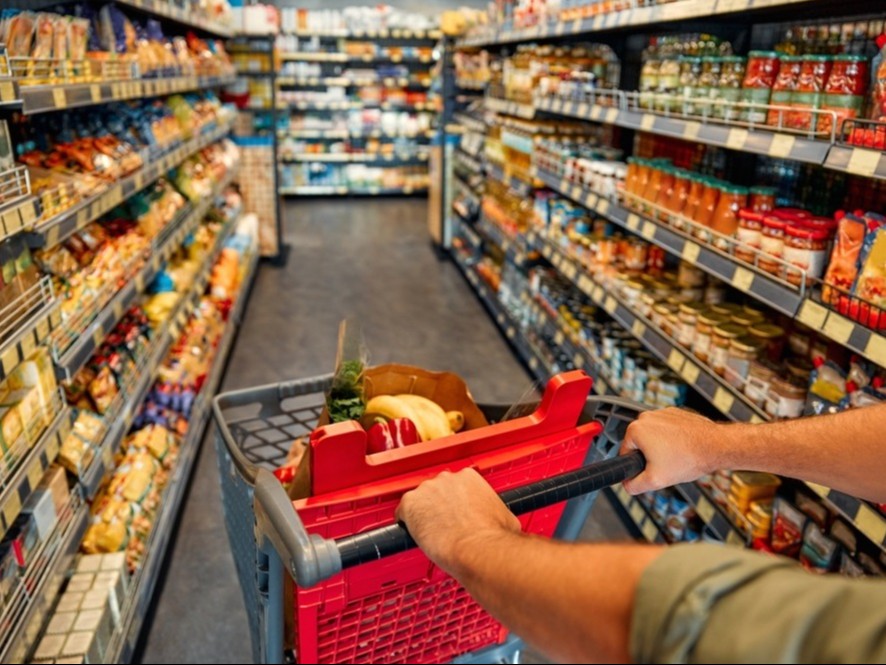
Every trip to the market feels different now. You're buying the same things, but somehow the receipt hits harder. The 18% GST grocery shopping tax didn't just change prices—it rewired how we think about feeding our families.
The Math That Makes You Wince
Look, when the government added 18% GST grocery shopping to the equation, nobody threw a party. Your hundred-rupee packet of flour becomes 118 overnight. That yogurt container you've bought every week for five years costs eighteen percent more. It adds up fast when you've got a family of five at the dinner table.
Groceries weren't exactly cheap before. Food prices climbed steadily for years—everyone noticed the biryani rice getting pricier, chicken rates that change by the hour, vegetables becoming occasional luxuries. But 18% GST grocery shopping hit different. It's a tax on essentials, not luxuries. You can't skip buying flour or milk or lentils to "cut back."
What really struck people was that this applies to fresh produce too. Your vegetables from the Sunday Bazaar are cheaper without tax, but not always the quality you want in your kitchen. That's where online grocery services stepped in as an alternative. And now the GST applies there too. Families are making choices they didn't have to make before.
How Your Weekly Shopping Actually Changed
Real talk: families in Islamabad and Rawalpindi completely rewrote their grocery routines. I've seen it in neighbor conversations, market chats, discussions near F-10. The shift is real and obvious.
Some families are buying in bulk now. Instead of your usual weekly market run, they're stockpiling rice, lentils, flour—things with long shelf lives. The math works: buy more at once, make fewer trips, spread that 18% GST grocery shopping cost over more uses. But this only works if you have storage space. Not everyone has a pantry the size of a small room.
Others got ruthless about brand choices. That instant coffee you grab? Store brand now. The fancy laundry detergent? Basic option. Premium olive oil? Special occasions only. People aren't choosing between organic and conventional anymore—they're choosing between essential and slightly-less-essential.
Then there's the meat situation. Fish and chicken prices were already volatile with power outages affecting cold storage and temperature swings. Layer 18% GST grocery shopping on top of the meat counter and families are eating less meat overall, or stretching it further into curries and stews instead of standalone dishes.
The Online Versus Market Standoff
Here's what surprised people: getting groceries delivered online—whether it's a dedicated service or a supermarket app—doesn't bypass the GST. So that convenience you were paying extra for? It's still there, but the savings feel even smaller now when the government is taking its cut. With 18% GST grocery shopping, neither the traditional market nor online delivery feels like a bargain anymore.
Some families are sticking with traditional markets because at least there you can negotiate, haggle a bit, find deals on slightly-bruised tomatoes or last-day-of-the-week vegetables. Others find that exhausting and prefer the price certainty of ordering online, GST and all. There's no "winning" strategy here—it's just different trade-offs.
The Sunday Bazaar in Rawalpindi has always been chaotic, loud, cheap. It's still relatively cheap, sure. But it's also crowded, time-consuming, and the electricity crisis has made even the market vegetables less reliable in quality. You can spend an hour hunting through produce or twenty minutes on your phone. Neither feels like a bargain anymore.
What Hit Your Budget Hardest
Certain things stung more than others. Fresh produce, meat, dairy—they were already expensive, and 18% GST grocery shopping just made them prohibitive for everyday use. Flour, rice, lentils, cooking oil—the actual staples—hit people's budgets hard because families buy them every week and in volume.
But here's an interesting thing: packaged goods, processed foods, instant meals—their price increases somehow felt less painful. Maybe because families aren't buying those as regularly, or maybe because the absolute numbers are smaller. Either way, the impact on household budgets depends entirely on what you're actually eating.
Smart Shopping Moves People Are Making
The families who've adjusted best are the ones treating grocery shopping like strategy. They maintain a list. They plan meals a week in advance. They know which vegetables are in season—and therefore cheaper. They buy dried goods from wholesalers. They split bulk purchases with neighbors.
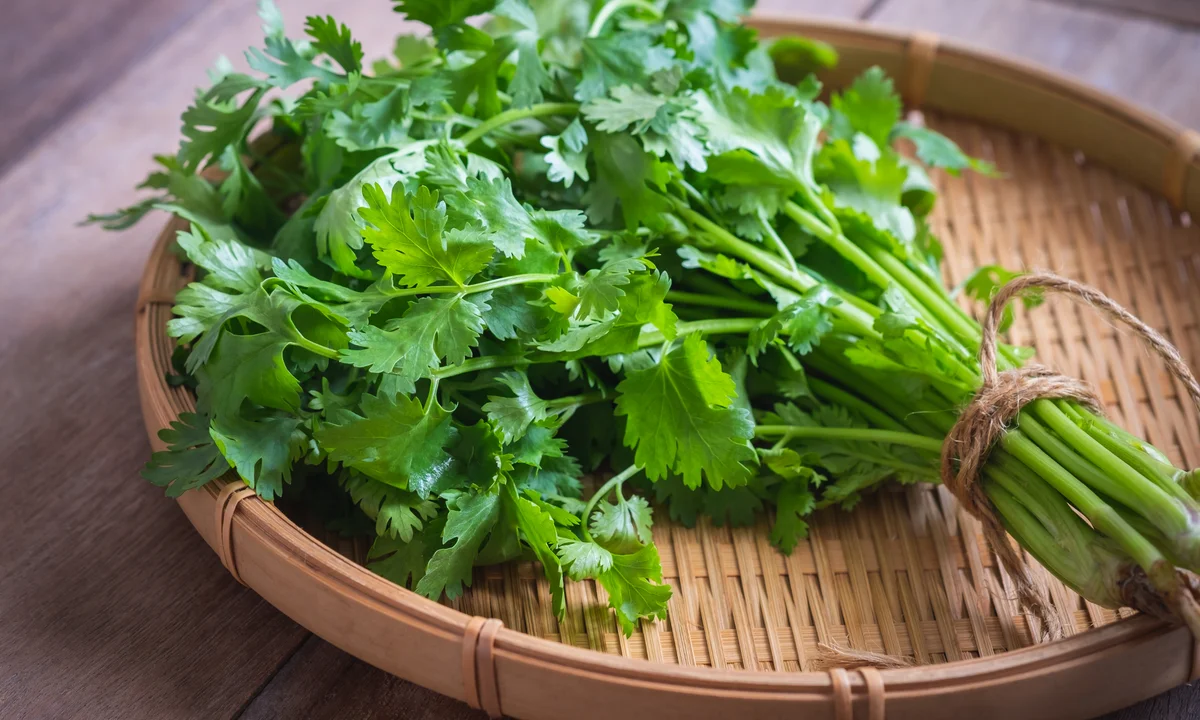
One thing I've noticed is that more people are growing tomatoes, herbs, and greens at home—even in small apartment balconies in the middle of Islamabad. The return on investment doesn't exist, obviously, but the peace of mind does. When you pick a fresh coriander leaf from your own pot, the cost of 18% GST grocery shopping feels like less of a burden.
Also, families are cooking at home way more. Not because they suddenly love cooking, but because the margins between eating out and cooking at home shifted dramatically. A biryani order from a restaurant is looking at 18% GST plus the restaurant's mark-up. Your homemade biryani with the same ingredients costs way less.
The Psychological Shift
What's interesting is how this has changed the way Pakistani families think about food. There's less waste now. People are using vegetable scraps for stock, day-old bread for French toast, every bit of everything. Not because it's trendy or eco-friendly, but because throwing food away now feels genuinely wasteful when you're paying extra for it.
There's also less impulse buying. You know that moment when you're at the market and you spot something nice and just throw it in the basket? That happens less now. People are intentional. Every item has a reason. Every rupee is counted twice.
And honestly, there's been a weird positive side: families are talking about their food budgets out loud. In Pakistani culture, money talk at the dinner table used to be taboo. Now everyone's comparing notes on where to get cheaper chicken, which market has good lentils, which brand of ghee is actually worth it. The stress of 18% GST grocery shopping has created this unexpected community around making family meals work with less.
What Actually Changes
18% GST grocery shopping didn't change what Pakistani families eat fundamentally. You're still making the same curries, the same breads, the same tea. But it changed how you do it—where you shop, how often, how much you buy at once, what corners you cut.
For families ordering through FreshBox or similar delivery services, the impact is the same as anywhere else, but with the added factor of convenience. You're not spending an hour in traffic near F-10 market just to save a few hundred rupees.
The question isn't whether 18% GST grocery shopping is fair—that's above both our pay grades. The real question is: how do you feed your family the way you want to within the constraints you've got? And Pakistani families, honestly, have gotten pretty creative about finding answers to that question.
Ready to start eating healthy?
Browse our selection of fresh produce and groceries, delivered to your doorstep in minutes.
Start Shopping
Written by
Faisal ShehzadFaisal Shehzad writes practical, locally-grounded guides on groceries, seasonal produce, nutrition and home cooking for households across Islamabad and Rawalpindi.
View all articles →