
Chinies Carrot Bitter Taste? Here's What's Really Going On
Why Your Chinies Carrots Taste Bitter (And What You're Actually Doing Wrong)
You're standing at the vegetable market, squinting at carrots under the harsh July sun. They look fine. But when you get home and cook, biting into one of those chinies carrots delivers a bitter taste that ruins everything. The curry's destroyed. Your family's disappointed. And you're left wondering why this keeps happening.
Nobody teaches you how to spot bad chinies carrots before buying. Vendors won't tell you. Recipe blogs skip it entirely. So you keep picking wrong, and chinies carrot bitter taste keeps ruining your dinner.
But this ends today.
Understanding the Chinies Carrot Bitter Taste Problem
That bitter taste isn't random. It's not bad luck or some vegetable lottery you lost. It's preventable if you know what to look for.
Chinies carrots are completely different from traditional desi varieties. They're bred for size, for color, for shelf life. But that breeding comes at a cost. Storage conditions matter. Soil quality matters. How long they've sat in a warehouse matters.
When you taste that chinies carrot bitter taste, it's usually one of three things: the carrot was harvested too early, stored in warm conditions for too long, or it's just an old batch sitting around. The longer carrots sit after harvest—especially in poor conditions—the more their natural sugars break down into bitter compounds. It's chemistry.
Nobody warns you about this when you're at the market with money in hand.
Where the Problem Actually Starts
Bitterness develops during storage, not during growing. Carrots stored in warm rooms or exposed to harsh light for weeks develop bitter compounds. It's basic chemistry, not opinion.
If your local market keeps chinies carrots under fluorescent lights for three weeks, you're going to taste it. If they're in a hot storage room—and come on, it's July in Islamabad, the AC is always broken somewhere—that bitter taste is absolutely guaranteed.
Here's the real problem: there's no regulatory standard. Nobody's checking quality. Nobody's testing batches. It's entirely on you, the home cook, to figure it out.
The Quality Checks Every Islamabad Cook Should Actually Do
You can avoid getting stuck with chinies carrot bitter taste completely. You just need to know what to look for when you're shopping.
Visual Signs That Actually Matter
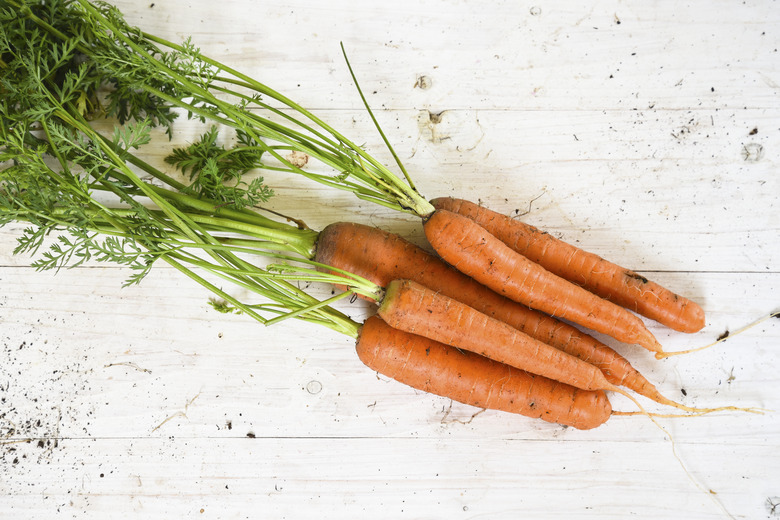
Start with color, because it tells you everything. A good carrot should be deep orange, almost vibrant. If it looks pale or dull, that's a red flag—the carrot has been sitting around.
Check for cracks or soft spots along the sides. Cracks mean moisture has escaped, usually a sign of age or poor storage. Soft spots mean the carrot is actively breaking down. Don't buy these.
Size is a clue too. Smaller carrots sell faster, which means they're fresher. Giant, picture-perfect carrots might be older. Markets display the prettiest ones because they sit the longest.
The Touch and Smell Test Actually Works
Pick up a carrot and feel its weight. It should feel firm and dense. If it feels light for its size, water has evaporated—and that takes time. More time equals more bitter compounds developing.
Smell it. Yes, seriously do this. A fresh carrot has a clean, earthy smell. If it smells musty or faintly sour, walk away. That's a dead giveaway the batch was stored poorly.
Fresh carrots snap when you gently bend them. If they're rubbery and bendy, they're old. And old carrots guarantee that chinies carrot bitter taste in your food.
Storage at Home Matters Way More Than You Think
How you store carrots at home matters almost as much as how the vendor stored them before you bought them.
Temperature Changes Everything
Keep carrots in your fridge, specifically in the vegetable drawer. The cold slows down aging and prevents bitter compounds from developing. Don't leave them on the counter.
If your fridge breaks down every other week—and who doesn't have one of those in this heat—find the coldest spot available. Some people keep carrots in a cool basement or covered box on a north-facing balcony.
And please, don't wash carrots before storing them. Moisture makes them spoil faster. Wash them right before using.
Try Different Options If Nothing Else Works
If you keep running into chinies carrot bitter taste problems, explore other options. Desi carrots—the thinner, redder ones—are generally sweeter and have way less bitterness. They're often fresher because they're not being imported and sitting in warehouses.
Purple carrots exist too, though they're hard to find in Islamabad. They're sweeter with a completely different flavor profile. Hunt for them if you can.
Or get direct with your vendor. Which batch came in recently? Where's it from? How long has it been stored? Most vendors will actually tell you if you ask—people just assume they won't.
The freshest carrots come from farmers at the Sunday Bazaar near F-10, if you can survive the traffic and crowds. Turnover is much faster there. You can also find fresher carrots through FreshBox, which sources regularly and rotates stock quickly—so you're more likely to get vegetables that haven't been sitting around.
The Bottom Line
Chinies carrot bitter taste is fixable. It's not something to accept or complain about. It just requires you to be a little more aware when buying and a little more careful about storage at home.
Stop gambling with dinner. Start looking. Your next curry will taste so much better.
Ready to start eating healthy?
Browse our selection of fresh produce and groceries, delivered to your doorstep in minutes.
Start Shopping