
Coriander Root Uses: Stop Throwing Away Your Money
You're Literally Throwing Money Away Every Time You Buy Coriander
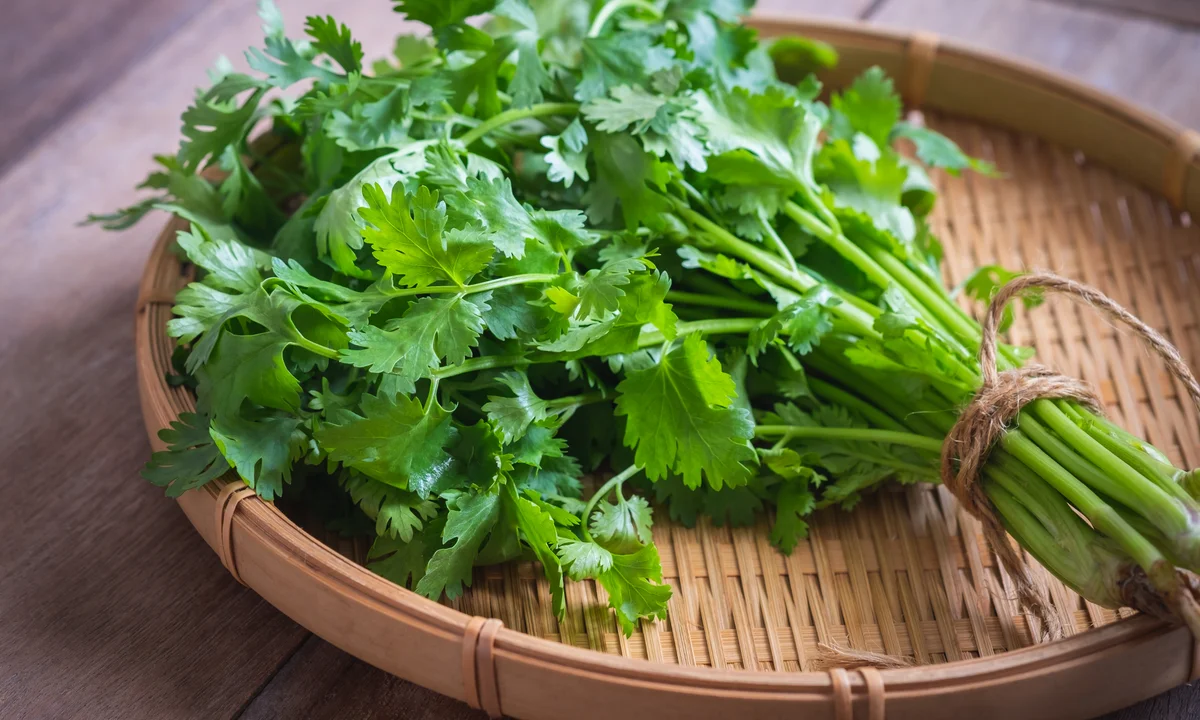
Here's what happens at 90% of Pakistani homes: you buy a bunch of fresh coriander from the market. You use maybe the top leaves for your curry or salad. The thick white root? Snapped off and binned. The woody stems? Gone. The rest of the leaves? Wilted by Wednesday, in the trash by Thursday.
And you don't even realize you're throwing away 500 rupees a month.
I used to be that person. Until I started asking my mother's cousin who runs a small kitchen garden—"What do you actually do with the whole plant?" Turns out, nearly every part of fresh coriander has a serious use. Not "here's a creative recipe" use. Practical, delicious uses that will actually change how you cook.
Why Most People Waste Coriander (And How Much That Actually Costs)
A bunch of fresh coriander from the vegetable market costs 30-50 rupees depending on where you buy and the season. In Islamabad, during peak summer, you might find them cheaper at the Sunday Bazaar. But the waste pattern is consistent everywhere.
Most home cooks—and I mean most—throw away 60-70% of what they bring home. That's roughly 18-35 rupees per bunch. Buy weekly, and that's 72-140 rupees monthly. In families where multiple people cook or where you go through coriander faster, double or triple that number.
The infuriating part? This isn't about not having recipes. It's about not knowing that coriander root uses exist, that stems have flavor, that there's a way to preserve and use every part.
Coriander Root Uses: Stop Throwing Away the Best Part
Let's start with what you've been trashing—the roots. That thick, pale section at the base is basically liquid gold for cooking, and most people don't even know coriander root uses exist beyond maybe one obscure soup recipe.
Coriander Root Paste
Here's the first practical use: blend clean coriander roots with garlic and ginger, and you've got something way superior to regular processed garlic paste for curries. It adds this subtle earthiness that commercial ginger-garlic paste just can't match. I started adding it to my chicken biryani marinade, and the difference was immediate—deeper, rounder flavor. The roots don't have any harshness; they're smooth and mild, almost sweet.
Broths and Stocks
If you make dals or vegetable stocks at home, crush some coriander roots and toss them in. They infuse the broth with something floral and warming that you can't get from dried spices alone. For a proper Pakistani chicken stock (the kind you'd use for nihari), roots are essential. You get that complexity without having to simmer for hours longer. Strain them out before serving—they do their job and then disappear.
Coriander Root Tea
This sounds random until you try it. Simmer 3-4 cleaned roots in hot water for 8-10 minutes, add a bit of honey. It's genuinely soothing, has a delicate cilantro flavor, and actually helps with digestion. My aunt in Rawalpindi swears by it after eating heavy meals. It's become something I make for guests instead of regular chai.
Pickling and Achar
If you're making achar at home, coriander roots go straight into the pickle juice. They don't just add flavor—they add structure. The roots stay firm during fermentation and actually keep your pickles crisp longer. This matters if you're planning to preserve your pickles for months.
Coriander Stems: The Neglected Middle Child
The stems are where most people's creativity stops. But they shouldn't.
That cilantro chutney everyone makes? The one with leaves, garlic, green chilies, and lemon? Add the stems. Blanch them lightly, then blend everything together. The stems are milder than leaves, more tender than roots, and they give you triple the volume without any bitterness. Your chutney will be smoother, less aggressive—which is sometimes exactly what you want alongside rich foods like biryani or nihari.
Stems also work brilliantly in soups. Slice them thin, toss them into any vegetable soup in the last 5 minutes. They add fresh cilantro flavor without overwhelming. Or use them in dals—add a small handful just before serving, and it changes the entire profile in the best way. You get that fresh element without competing with the spices.
Quick insider tip: if your coriander is looking sad and wilted, the stems are often still firm and worth saving. Don't trash the whole bunch just because the leaves have gone droopy.
The Leaves: Still the Star, But Use Them Smart
Yes, coriander leaves are essential. But here's what most people get wrong: they use only the youngest, most tender leaves and waste the rest.
The larger, thicker leaves have more flavor and work brilliantly in cooked dishes—curries, sauces, marinades. Save the delicate top leaves for garnish and raw applications like fresh salsas or as a finish on dals. Use everything else in your cooking. The flavor difference is negligible once heat is involved.
The Storage Hack That Actually Works
The reason most people waste coriander is simple: it goes bad in 2-3 days if you just leave it sitting on the counter or shoved loose in the fridge.
Here's what changed for me: Wash your coriander, let it dry completely (use a spinner or paper towels), wrap it in paper towels, then place it in a plastic bag or container in the coldest part of your fridge. This extends its life to 10-12 days.
But better yet—process it immediately.
Blend roots, stems, and leaves with a tiny bit of water into a paste. Freeze in ice cube trays. Each cube is one tablespoon of coriander paste that you can drop into dal, curry, or marinade whenever you need it. I do this once a week, and it's genuinely changed how often I actually use the whole plant instead of watching it rot.
This Isn't Complicated
None of this requires special equipment or obscure recipes. Coriander root uses, stem applications, and leaf maximization are just about understanding what works where. And honestly, once you start using the whole plant, you can't go back. The flavors are better. The cost per meal drops. The waste disappears.
Buy your next bunch of coriander. Before you chop anything, separate the roots, stems, and leaves. The roots—blend them into your next curry base or stock. The stems—add them to soup or dal. The leaves—use them both raw and cooked. See how different your food tastes. See how much longer the plant actually lasts.
You can order fresh coriander through FreshBox if your local market feels chaotic. But the technique works no matter where the coriander comes from.
Ready to start eating healthy?
Browse our selection of fresh produce and groceries, delivered to your doorstep in minutes.
Start Shopping