
Kids Lip Balm Safe: Why Pakistani Parents Are Getting It Wrong
You Probably Think You Know What You're Doing. You Might Not.
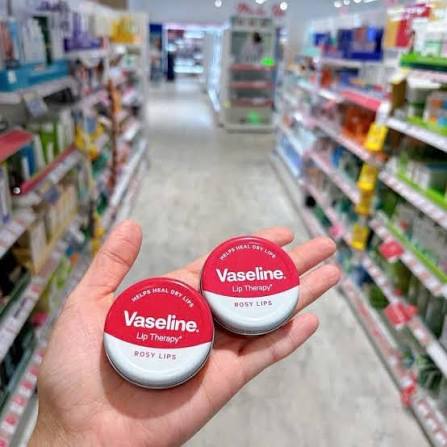
Every Pakistani parent owns at least three tubs of Vaseline. It's the automatic answer for everything—chapped lips, dry skin, the heating damage from June's brutal sun. Your mother used it on you. Your grandmother used it before her. It costs thirty rupees at any chemist. So why would you ever question it?
Here's the thing: Vaseline isn't dangerous, but it's honestly not the smartest choice for your kids' developing lips. And there are actually better options most people don't even know exist.
Why Vaseline Gets the Job Done, But Barely
Real talk: plain petroleum jelly creates a barrier on skin. It seals in moisture. That's literally all it does. It's not moisturizing in the way your lips actually need—it's purely occlusive. Big difference.
Your kid's lips are absorbent little sponges. They want actual hydration, not just a plastic wrap sitting on top of the surface. When Vaseline sits there, it prevents water loss, but it doesn't add anything your body actually needs or absorbs. Plus, kids in Islamabad and Rawalpindi face intense UV sun, dust particles, and constant traffic pollution from F-10 market down to Defense. That combination turns your lips into something between leather and tissue paper.
And here's what nobody says out loud: kids lick their lips constantly. They pick at them. They bite them. If you're using regular Vaseline, you're essentially coating their mouth with refined petroleum. Is it toxic? No. Is it the ideal choice for kids' lips? Not really.
What Kids Lip Balm Safe Actually Means
When you're shopping for kids lip balm safe alternatives, you need to understand what you're actually looking for. There's a meaningful difference between something that's safe and something that's actually effective.
A truly safe lip balm for children should have these qualities:
- Minimal ingredients you can recognize and pronounce
- No artificial flavors (kids will eat it—accept this)
- SPF sun protection if possible (sun damage is serious)
- No menthol or cooling agents that sting
- No salicylic acid or exfoliants
- Minimal or zero artificial dyes
Look, the market is absolutely flooded with lip balms marketed specifically for kids that are basically candy. Bright neon colors. Fruit flavors that smell like dessert. Characters on the packaging to catch kids' eyes. Kids see these and immediately think snack. Then they eat the entire tube in one sitting, and you're left wondering whether the ingredients were actually safe for ingestion. Spoiler: they probably weren't.
Beyond Vaseline: What Actually Works
The best kids lip balm safe alternative? Beeswax-based balms. They're not expensive. They're not hard to find. And honestly, they work significantly better than Vaseline.
Beeswax has been used for centuries—your great-grandmothers knew this. It's occlusive like Vaseline, but it doesn't feel greasy or heavy on kids' lips. It has natural antibacterial properties. And it tastes bitter, which means kids are much less likely to treat it like a snack and consume the whole thing. Brands like Burt's Bees make solid options, but you can also find decent local alternatives in Pakistani pharmacies for a fraction of the price.
Coconut oil works too, but only in the right climate. In Rawalpindi's intense summers? It'll feel like you're adding another sweaty layer to your kid's lips. In winter, though—December through February—coconut oil is genuinely useful and deeply hydrating.
Shea butter balms are the middle ground. Less oily-feeling than coconut oil, more hydrating than plain Vaseline, and they don't have that medicinal smell that kids absolutely hate.
The Labels You Should Actually Read
Pakistani parents often grab whatever's in the chemist without checking the ingredient list. Don't do that. It takes thirty seconds and can save you real problems.
Watch out for these ingredients in any kids lip balm safe product:
- Methylisothiazolinone—a preservative that irritates sensitive skin
- Propylene glycol—sounds harmless, but actually dries lips out over time
- Phenol—yes, some balms still have this; it numbs temporarily but damages lips long-term
- Artificial dyes and colorants
If you can't pronounce it and it doesn't sound like food or nature, skip it. That's your simple rule. And honestly, if you're at the chemist in F-10 market or near Peshawar Road in Rawalpindi, ask the pharmacist specifically about kids lip balm safe products. Most actually know their stuff and won't just hand you the first colorful box.
Seasonal Differences Matter More Than You Think
Winter in Islamabad is rough on everyone's lips. The dry air, the indoor heating, the sudden temperature changes between outside and heated rooms—it creates a perfect storm. Your kids' lips will crack. It's not a failure of parenting; it's just what happens when humidity drops below 30%.
That's when you need something more substantial than plain Vaseline. A good beeswax balm, applied three to four times daily—after meals, before bed, after outdoor time—actually prevents cracking before it starts. In summer? Switch to lighter balms with SPF. The sun bounces off the Pothohar Plateau like a focused laser. Your kid's lips will burn without protection.
Hydration matters too. If your kids aren't drinking enough water, no balm will completely fix the problem.
When Your Kid's Lips Need a Doctor
Not every dry lip needs medical attention or special products.
But you should see a doctor if:
- Lips are bleeding or severely cracked after several days of care
- There's visible swelling or signs of infection
- Your kid has constant sores at the corners of the mouth (usually vitamin deficiency)
- A specific lip balm causes redness or itching
That corner-of-mouth sore thing, specifically? That's often a sign your kid needs more B vitamins—riboflavin deficiency. It's not a lip care problem; it's nutrition.
The Real Solution Isn't Just a Product
Stop thinking of lip care as a product problem. Think of it as a hydration problem.
Kids who drink enough water, eat fruits and vegetables with high water content, and stay protected from sun rarely have serious lip issues. The balm is just backup—insurance for winter or after swimming in chlorinated pools.
That said, having a solid kids lip balm safe option in your bag or home is definitely smart parenting. You can order natural beeswax balms or quality alternatives through FreshBox, which saves you a trip to the pharmacy in Islamabad traffic.
Your Vaseline isn't evil. But your kids deserve better. Knowing you're using something actually designed for kids' lips instead of just defaulting to what your mother used? That's worth two minutes of ingredient reading.
Ready to start eating healthy?
Browse our selection of fresh produce and groceries, delivered to your doorstep in minutes.
Start Shopping