
Heat Resistant Vegetables Pakistan: What Actually Survives
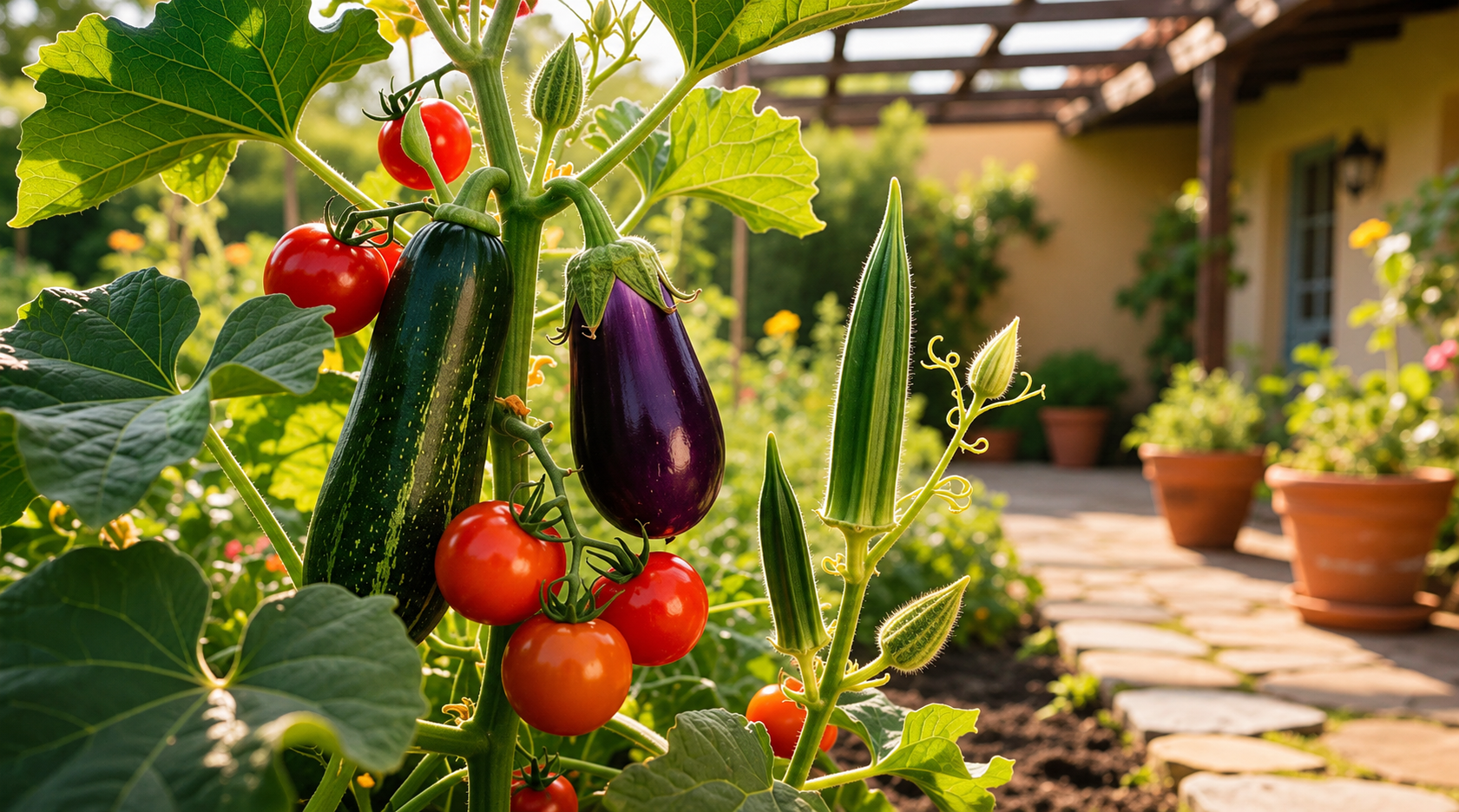
Here's the reality: If you've ever tried to grow a garden in Islamabad during June, you know exactly what I'm talking about. The temperatures creep past 40°C, water evaporates faster than you can refill the pot, and your tomatoes? They just surrender. The leaves curl, the plants wilt, and suddenly you're staring at a brown patch of soil wondering if anything green survives summer in Pakistan.
But here's the thing — plenty does. Heat resistant vegetables Pakistan grows beautifully in summer if you know what to plant. And I'm not talking about exotic imports or some fancy hydroponic setup. These are the vegetables that have thrived in our climate for generations. They're practical, they're productive, and they'll actually give you something to harvest instead of brown compost.
Why Summer Kills Most Vegetables
Let me be straight with you: Pakistani summers aren't forgiving. It's not just the heat — though that's the obvious culprit. It's the combination. Intense sun, low humidity, irregular water supply (let's not pretend our water situation is always stable), and the relentless afternoon wind that dries out soil faster than any plant can drink. Most traditional vegetables like lettuce, spinach, and even your precious tomato plants simply can't cope. They bolt, they shrivel, they give up.
The vegetables your grandmother grew in April? They'll be dead by July.
That's not a failure on your part — it's thermodynamics. It's biology. Some plants are built for cool seasons, and summer in Pakistan is absolutely not cool. A tomato plant's roots start struggling around 35°C. Lettuce literally tastes bitter and bolts the moment temperatures stay consistently above 25°C. Spinach is even more dramatic — it just stops growing entirely. Meanwhile, the heat keeps climbing.
This is why heat resistant vegetables Pakistan focus is so important. You're not being stubborn or difficult by wanting fresh vegetables in summer. You're just being realistic about climate.
The Heat Resistant Vegetables Pakistan Actually Needs
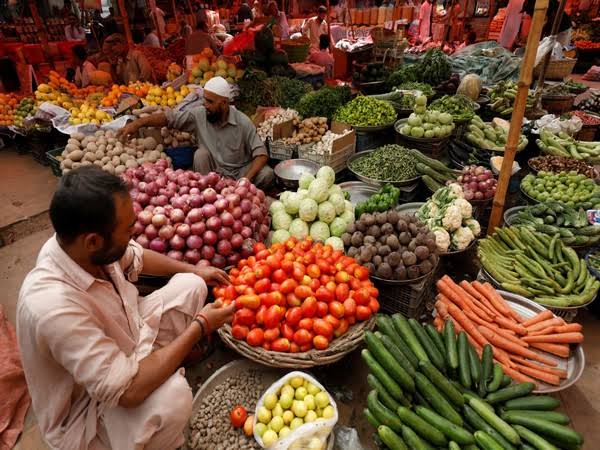
Okra. Bitter melon. Ridge gourd. Bottle gourd. These aren't flashy vegetables, but they're the workhorses of a Pakistani summer kitchen. And honestly, they're delicious when you know how to cook them properly.
Okra (bhindi) is probably the most obvious choice. It loves heat. Give it direct sun, water it regularly, and it'll produce flowers and pods for months straight. The plant actually thrives in temperatures that would kill a lettuce plant. Around Islamabad and Rawalpindi, you'll see okra growing wild in some neighborhoods by late June. A single okra plant, properly maintained, can produce dozens of pods per week during peak season. That's not exaggeration — I've measured it.
Bitter melon — I know, I know. Not everyone's favorite. But there's a reason it's a staple through summer. The plant is practically indestructible. It grows as a vine, takes up minimal space if you trellis it, and produces continuously until the first cold snap. Plus, the leaves are edible too. That's efficiency. The vines can climb 6-7 feet if you give them support, producing along the entire length.
Ridge gourd and bottle gourd are equally reliable. Ridge gourd especially — it's used in everything from curries to pickles, and the plant produces for months. The heat resistant vegetables Pakistan grows aren't just heat-tolerant; they're productive. One ridge gourd plant can feed a family with consistent harvests from July through September.
Which Specific Heat Resistant Vegetables Pakistan Grows Best
Let me break down the heavy hitters because understanding the difference matters for what you plant.
Eggplant. This one's non-negotiable. It doesn't just tolerate heat — it demands it. Plant it now, in early June, and you'll have purple beauties from July through October. The longer days and intense sun are exactly what eggplant wants. I've seen eggplant plants in Rawalpindi that produce enough fruit to feed a family of six for months. The fruit quality is actually better when the plant experiences consistent heat.
Cluster beans. They're legumes that fix nitrogen in soil, so you improve your garden while eating all summer. Stir-fry with garlic and onion.
Chili peppers. Both sweet and hot varieties love summer heat. In fact, they produce better and have more flavor in intense heat. Your chili plants from spring will be their best selves in July and August, producing more fruit than they did in May.
Yard-long beans are a proper staple — longer, more tender than regular beans, and they absolutely love heat. A single plant produces dozens of long pods throughout summer.
Pumpkin and squash. Some varieties prefer early summer heat if established quickly — plant them in May or early June and they'll mature through the hot months.
The Insider Tips Nobody Talks About
Here's what most people get wrong about growing heat resistant vegetables Pakistan-style:
Mulch is your best friend. I can't emphasize this enough. Once your vegetables are established, pile on 2-3 inches of mulch — grass clippings, dried leaves, whatever you have. It keeps the soil temperature down, reduces evaporation, and honestly, makes watering far less frequent. My okra beds with heavy mulch need watering maybe three times a week in peak summer. Without it? Daily, sometimes twice daily. You're also feeding the soil as it decomposes.
Water in early morning or late evening. Not at noon. I don't care if you're busy. The water will evaporate before the roots absorb it, and you're just wasting water and stressing the plant. Early morning is ideal — the plant has water reserves for the hot day ahead. Evening watering works, but morning is genuinely better.
Don't fertilize during peak heat. I see people feeding their plants in July and wondering why they're stressed. The roots can't process nutrients efficiently in extreme heat. Wait until August when things cool slightly, or wait for the next season. Feed them now, and they're just going to struggle unnecessarily.
Choose the right location. Full sun is essential for heat resistant vegetables Pakistan — but here's the trick. If you're in an area that gets absolutely brutal afternoon heat (like near F-10 market in Islamabad where the heat bounces off pavement), afternoon shade for just a couple of hours can actually help. Your okra will still produce; it just won't be quite as stressed. This is controversial, but I've tested it. It works.
Why You Should Start Now
The best time to plant heat resistant vegetables Pakistan grows successfully was three weeks ago. The second best time is literally right now, in early June. Any later than mid-June and you're fighting against an already established heat situation. Get them in the ground — or in pots, if you're short on space — and they'll establish before the truly brutal July and August heat.
Most of these vegetables take 40-50 days to maturity for initial harvests. Plant them now, and you'll be eating homegrown okra and bitter melon by mid-July. That's not a long wait.
Getting Started
Your local nurseries in Islamabad and Rawalpindi will have okra and eggplant seedlings right now. The seed packets are everywhere. For something more specific like bottle gourd or yard-long beans, check a proper agricultural supply shop, or honestly, just ask at your local vegetable market — they often know where to find seedlings.
If you want these vegetables delivered fresh, you can order from FreshBox.
Final Thought
Heat resistant vegetables Pakistan grows aren't exotic or special. They're the vegetables that have fed our families for generations because they actually work in our climate. Forget trying to force spring vegetables through summer. Work with the season, not against it. Your garden — and your dinner table — will thank you.
Ready to start eating healthy?
Browse our selection of fresh produce and groceries, delivered to your doorstep in minutes.
Start Shopping
Written by
Faisal ShehzadFaisal Shehzad writes practical, locally-grounded guides on groceries, seasonal produce, nutrition and home cooking for households across Islamabad and Rawalpindi.
View all articles →