
August Monsoon Grocery Shopping: Weekly vs Monthly
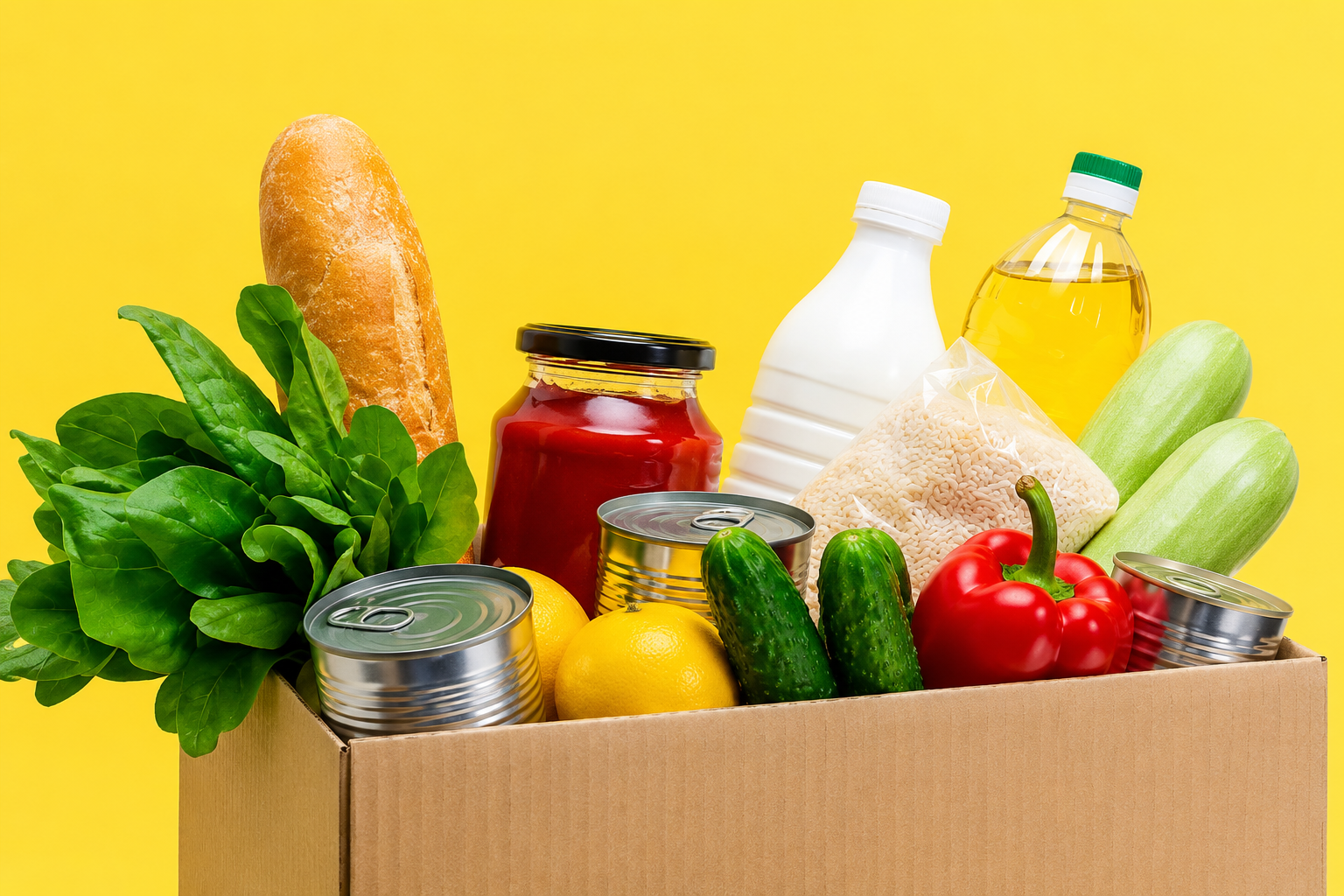
When August monsoon hits peak, everything changes about how you shop for groceries. The humidity climbs into the 80s. Your fridge works harder. Vegetables wilt faster. And the standard "once-a-month trip to the market" strategy? That doesn't work anymore.
I've been thinking about this a lot — how we handle august monsoon grocery shopping is actually a reflection of how we adapt to the season. We change tactics. We learn what works. And most of us figure out quickly that the monthly stockpile approach needs serious rethinking.
Why August Is Different
Look, everyone jokes about the power outages during monsoon season. Your lights flicker. Your fans slow down. But what nobody talks about is what happens to your fridge when electricity becomes unpredictable.
The grid fails randomly. Milk spoils faster. Yogurt separates overnight. Leafy greens turn to mush in 48 hours instead of a week. Tomatoes develop spots overnight. Even onions — which usually last forever — start sprouting. It's genuinely chaotic.
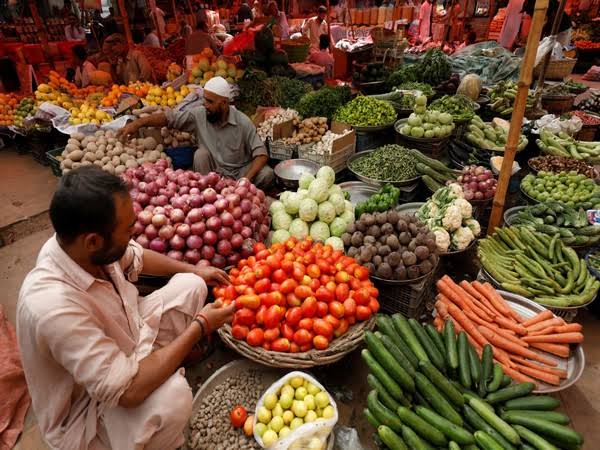
And here's what really gets me: humidity doesn't just affect what's in your fridge. It affects how long items last once you bring them home. The walk from the vegetable market to your car in July is completely different than May. Your vegetables are already stressed before they reach your kitchen.
So the big question: do you buy the same way you did in May, when weather was calm and your fridge reliable? The answer is absolutely not.
The Case for Weekly Shopping During Monsoon
Here's the thing: when august monsoon grocery shopping becomes a challenge, weekly trips make practical sense.
Think about it. You buy fresh vegetables twice weekly instead of monthly. You pick up dairy more frequently — smaller quantities you'll use before spoilage. You grab bread every three to four days instead of stockpiling. You buy spices in smaller amounts because humidity gets into everything, even sealed containers.
This sounds inefficient, right? More trips, more time. But here's where it gets interesting: you waste less money. A bunch of coriander that dies in your fridge costs the same whether bought two weeks or two days ago. A bottle of milk that curdles is money gone.
The logistics are simpler. You pop to the market (or order online) when needed, without planning an entire month's meals while worrying about spoilage. Your fridge stays cleaner because you cycle stock faster. And there's something about visiting the vegetable market twice weekly, seeing what's fresh that day, that keeps you eating better.
What I find works best: buy shelf-stable items monthly (rice, lentils, oil, salt, spices), then shop weekly for vegetables, fruit, dairy, and bread. The fresh stuff that can't survive August humidity.
When Monthly Shopping Still Makes Sense
But I'm not saying never buy monthly. Some things genuinely do better with monthly stockpiling, even in peak monsoon.
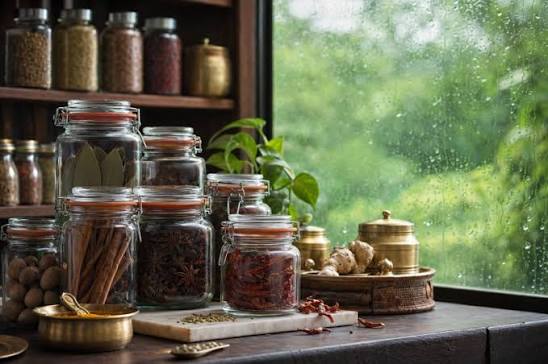
Canned goods, pickles, jams, and dry staples prefer cooler, less humid environments. Your locked pantry beats repeated market trips. Non-perishables like rice, chickpeas, beans, lentils, flour are better bought in bulk and stored properly. Spice racks. Oils. Sealed ghee containers. Pasta. Tea. All shelf-stable stuff that won't degrade in humidity or power outages.
The big mistakes happen when people stockpile perishables like dry goods. Everything gets wasted.
The Strategy That Works
Here's my approach, tested through multiple monsoon seasons in Islamabad. It's simple, reduces waste significantly, and prevents your fridge from becoming a graveyard.
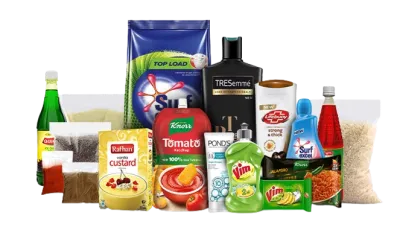
Monthly: rice, lentils, oil, sugar, salt, canned tomatoes, spices, flour, ghee, tea, anything else shelf-stable.
Weekly: fresh vegetables, leafy greens, tomatoes, onions, potatoes, ginger, garlic, fresh herbs, bread, dairy products.
This way, you're not overloading your fridge with things that won't survive humidity and power cuts. You're not running to market five times weekly. You're not throwing away spoiled groceries.
Here's my insider tip: shop early morning, before heat and humidity set in. Vegetables have been in cool overnight temperatures. Things last longer. I've noticed real difference — produce bought at 8 AM lasts noticeably longer than produce bought at 4 PM. It's worth getting up early for.
What Struggles During Peak Monsoon
Some items just don't cooperate during august monsoon grocery shopping season. Know what they are, adjust accordingly.
Leafy greens break your heart every time. Methi, spinach — they rot from inside out. Buy smaller quantities. Store in paper, not plastic. Use within two to three days max. Accept that you're not eating massive fresh salads in August.
Bread molds overnight. Soft fresh types are worst. Buy every other day, slice and freeze, or accept that fresh bread is May-through-October only.
Tomatoes develop spots and mushiness within two to three days. Pivot to canned tomatoes for cooking. Stop expecting fresh tomato salads in monsoon.
Potatoes and onions start sprouting. Keep cool and dry — not in fridge. They'll still sprout, but you prolong it.
Milk becomes temperamental. Smaller quantities, more frequent purchases. If power goes out, full liters are at risk.
Bananas ripen and turn black overnight. Buy at different ripeness levels. Accept three to four day eating windows.
Lemons keep well, thank goodness. Stock up.
Will It Cost More?
Will weekly august monsoon grocery shopping cost more than monthly? Maybe slightly. Bulk buying sometimes offers better per-unit prices. But you waste less, which usually cancels out. Smaller quantities also mean less impulse-buying.
Real savings come from not throwing away wilted vegetables or sour milk. Over an entire monsoon season, that's significant money saved.
The Real Bottom Line
August monsoon grocery shopping requires a completely different strategy than the rest of the year. Your monthly habits don't fit this season. Go weekly for fresh items. Keep dry goods on monthly rotation. Pay attention to what spoils in your fridge, and adjust quantities based on what actually fails.
Your wallet thanks you. Your fridge isn't a graveyard of moldy leftovers. You eat fresher food — which is what August should be about.
If you want to skip the heat and humidity of running to the market yourself, you can order fresh vegetables through FreshBox and have them delivered instead.
Ready to start eating healthy?
Browse our selection of fresh produce and groceries, delivered to your doorstep in minutes.
Start Shopping