
June Veggies and Fruits: What's Actually Worth Buying (And When Prices Finally Make Sense)
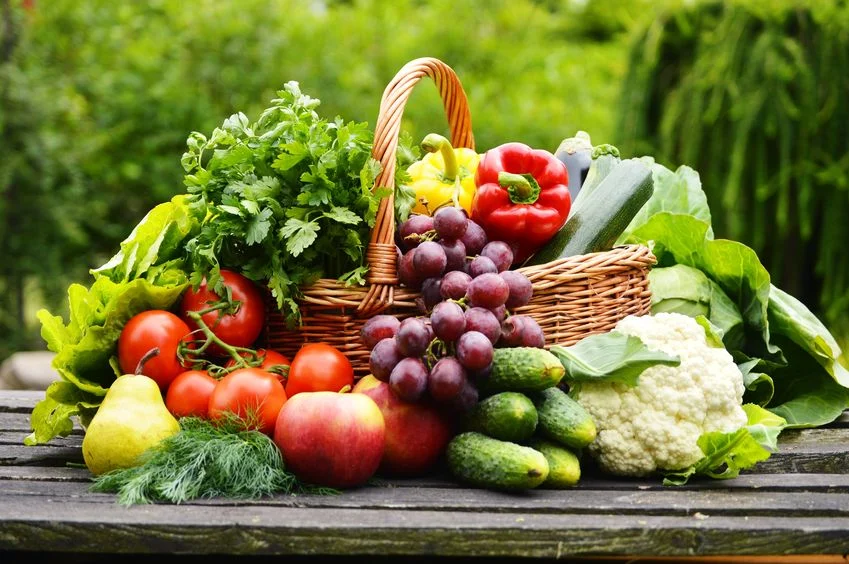
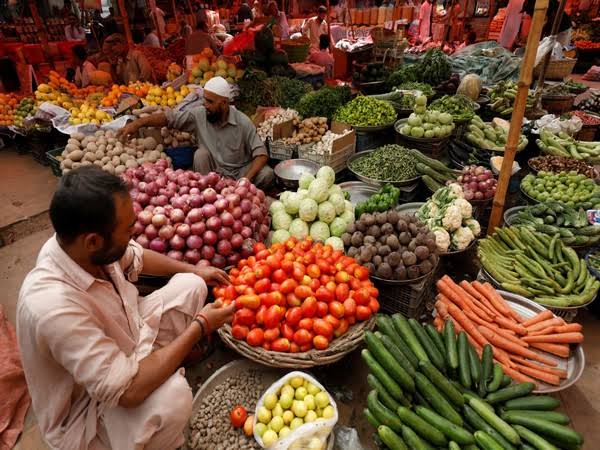
You know that moment at the vegetable market — maybe it's Sunday Bazaar near G-9 or the chaos of Jinnah Super Market — when you're staring at a pile of strawberries and thinking, "Are these worth this price?" June is actually when you can stop that internal bargaining match. The best June veggies and fruits are hitting that sweet spot where supply is plentiful and prices actually make sense.
And honestly, that matters. Buying off-season produce in Islamabad is like running your air conditioning with the windows open — technically possible, but why would you?
What Makes June Different
Here's the thing: June is that weird liminal space between spring and peak summer. Early-season premium pricing has passed, but you're not yet dealing with the July heat that makes everything expensive. Farmer supply is stable, the chaotic shortages of spring are over, and you're paying fair prices for produce that's actually thriving right now.
The real win? June veggies and fruits are at peak ripeness AND peak supply. That's the combo that gets you flavor plus affordability.
The Fruits Worth Your Money
Mangoes — but be selective.
It's still mango season, but not all mangoes are created equal. Sindhri, Chaunsa, and Langra are hitting their stride now. Skip the early Anwar Ratol — they've been sitting in cold storage too long. Press gently near the top: you want some give, not rock-hard. If it smells like nothing, it'll taste like nothing.
Strawberries — grab them while they're reasonable.
June is the tail end of decent strawberry season. Prices should be dropping compared to April or May. These are your last chance at reasonable rates before imported options take over and suddenly cost three times as much.
Papayas are underrated.
Local papayas hit that perfect balance of creamy, sweet ripeness without being mealy. Way cheaper than winter months and actually delicious right now. They're refreshing, they're filling, and nobody seems to care about them, which means you get them cheap.
Peaches are starting.
Local peaches from northern areas are beginning their season. They taste nothing like the pink sad things you see in winter. Refreshing, in-season, affordable — this is the time to actually buy them.
The Vegetables That Make Sense
Tomatoes are finally affordable.
After months of premium greenhouse pricing, outdoor crops hit the market. Make sauce. Preserve some. Prices won't be this low again until next year. Real talk: this is when you stock up on tomatoes for later use.
Cucumber is stupid cheap.
June is when you can afford cucumber regularly. Use this moment. Stock up. The price per piece drops noticeably once the local supply floods the market.
Peppers — both green and red.
Green peppers are cheap and plentiful right now. Red peppers are starting to show up. Perfect for frying, biryani, everything. The heat brings them on, and the prices stay reasonable.
Bitter gourd, okra, and eggplant thrive in heat.
June is when these start appearing regularly at fair prices. You're paying for produce that's actually thriving in current conditions, not fighting the weather. The supply is good, the quality is solid, the price is fair.
Spinach and leafy greens are phasing out.
Winter greens are past their prime in June, so prices are rising. If you love them, grab a little now — understand you're paying end-of-season prices. Summer greens (morning glory, amaranth) take over by July.
Carrots and onions stay stable.
Storage crops don't have seasonal drama. They're reliable, always useful, predictable pricing. Nothing exciting, but nothing to complain about either.
When Prices Actually Make Sense
June hits that sweet spot. Supply is ramping up from spring, demand is normal (not holiday-inflated), weather is stable enough to avoid sudden shortages. You're past early-spring scarcity pricing and past the expensive-because-heat-is-killing-everything pricing of late July.
What this means: June is when you stock up on what you can preserve (tomato sauce, pickle), buy regularly what's affordable (cucumber, tomatoes, peppers), and enjoy what's in season without guilt about the price.
How To Actually Choose Quality
For tomatoes, look for color variation — not all perfectly uniform red. Press gently. Slight give indicates ripeness on the plant. Rock-hard means picked early.
For mangoes, smell is everything. No smell equals no flavor. The fragrance should be noticeable through the skin.
For cucumbers, thinner is better. Fat ones are seedy and watery. You want ones that snap slightly — indicates freshness.
For peppers, glossy skin and no wrinkles. Wrinkles mean they've been sitting around losing water.
Leafy greens should look alive. Not limp, not yellowing, not browning at edges.
The Real Insider Tip
Buy from vendors with high volume. The stall where forty people are buying vegetables? That's where produce moves fastest, meaning it was picked more recently. Slow-moving stalls mean older stock sitting around longer.
Buy mid-morning or early afternoon, not early morning (setup chaos) and not late afternoon (they're clearing aging stock).
Stock Up On Seasonal Produce Now
Right now, June veggies and fruits represent the best value-to-flavor ratio of the year so far. Whether you're ordering online at FreshBox or hitting your local vegetable market, this is the month to load up on what's actually in season.
The Bottom Line
June vegetables and fruits aren't romantic like spring produce and aren't hyped like peak mango season. But they're honest — plentiful, reasonably priced, and actually delicious when you pick right. Buy what's in season, pick what looks alive, use the good pricing to stock up on things you can preserve.
Your kitchen and wallet will thank you.
Ready to start eating healthy?
Browse our selection of fresh produce and groceries, delivered to your doorstep in minutes.
Start Shopping
Written by
Faisal ShehzadFaisal Shehzad writes practical, locally-grounded guides on groceries, seasonal produce, nutrition and home cooking for households across Islamabad and Rawalpindi.
View all articles →