
Monsoon Pantry Storage: Keep Spices & Flour Fresh
Why Monsoon Destroys Pantries (It's Science, But Make It Pakistani)
You know that sinking feeling when you open your cupboard in August and find your flour has gone chunky, your spices smell like wet cement, and everything feels slightly... damp? That's monsoon season in Islamabad and Rawalpindi doing what it does best: ruining everything you've carefully stored.
The problem isn't that you're bad at pantry management. It's that monsoon doesn't care how organized your kitchen is. The humidity seeps in through walls, creeps under doors, and basically turns your pantry into a slow-motion disaster zone. But here's the good news — there are actual strategies that work. Not some fancy Instagram-proof system that takes three hours to set up. Real, practical solutions that keep your dry goods from turning into compost.
The Hidden Damage of Humidity
Look, humidity is the enemy here. We're not talking about a little moisture in the air. During monsoon season in the Twin Cities, we're dealing with 80-90% humidity that just refuses to leave. Your flour clumps. Your sugar crystallizes weirdly. Spices lose their punch. Biscuits go soft overnight. Even things you think are shelf-stable start growing weird stuff.
The worst part? You don't even realize it's happening until it's too late.
Your rice looks fine until you cook it and it's got this off smell. Your tea tastes flat because the moisture has compromised the leaves. Lentils absorb excess humidity and take forever to cook. Everything still looks normal from the outside, but on the inside, your pantry is basically compromised.
That's where monsoon pantry storage becomes non-negotiable. You're not being extra. You're being practical.
The 5-Item Protection Strategy
Strategy 1: Airtight Containers (Not Optional)
This is the foundation of monsoon pantry storage. Not plastic bags, not loosely lidded jars — actual airtight containers.
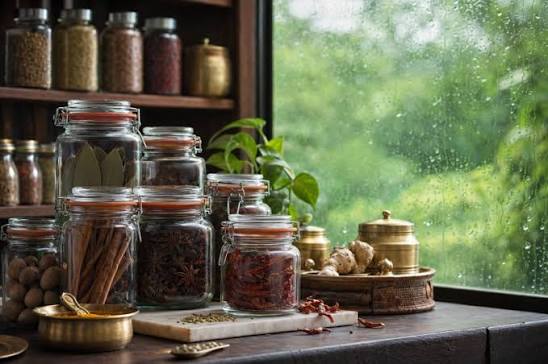
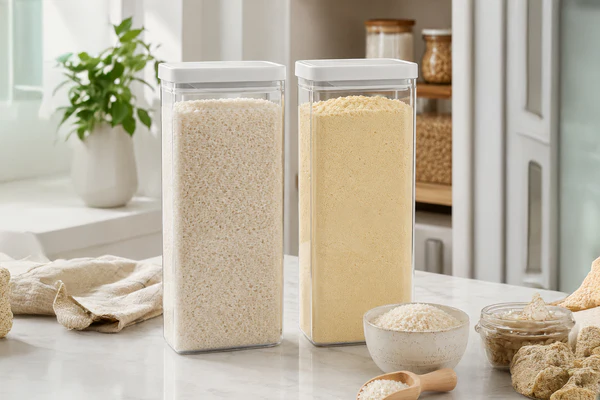
Get yourself some decent food storage containers with locks that actually seal. Glass is ideal because you can see what's inside and it doesn't absorb odors, but durable plastic works too. Transfer everything that comes in a paper bag or loose packaging into these containers immediately. Flour, sugar, salt, rice, lentils, split peas, whole spices, even your tea.
The investment sounds annoying until August hits and your neighbor's entire baking supply is ruined because they didn't bother. Suddenly that container set doesn't seem so expensive.
Label everything with a marker or a label maker — your future self will thank you. Include the expiry date if you remember to write it down, though honestly, people rarely do. Just knowing what's in the container matters more.
Strategy 2: Silica Gel and Moisture Absorbers
This is the secret weapon people don't talk about enough.
You know those little packets of silica gel that come in vitamin bottles and shoe boxes? Save every single one. Throw them into your airtight containers. They'll absorb moisture inside the container and keep your dry goods actually dry.
If you're serious about monsoon pantry storage, grab some activated charcoal or those reusable silica gel canisters you can buy at kitchen shops in Islamabad. They're maybe 300-500 rupees and they last for months. Once they get saturated (usually you can tell because they change color), you just heat them in the oven to dry them out and use them again.
Put one or two packets in your flour container, your sugar jar, your spice rack. Change them every week during the peak monsoon months. It sounds obsessive. It's not. It's the difference between usable flour and flour-flavored concrete.
Strategy 3: Store in the Coolest, Darkest Spot
Your kitchen isn't the best storage location during monsoon. I know, counterintuitive.
Find the driest spot in your house — away from exterior walls, away from kitchens with ovens and stoves that generate steam, away from windows. An interior cupboard works better than a corner cabinet. The space under your stairs. A closed cupboard in your bedroom or living room. Anywhere that doesn't get direct light or heat.
Light breaks down spices and damages the color and flavor of tea. Heat accelerates moisture absorption. Both are your enemies during monsoon season. Dark, cool, and dry wins every time. That awkwardly shaped cupboard that's hard to access? Perfect. The less appealing your storage spot, the better it actually works.
Strategy 4: Know Your Rotation System
This is where monsoon pantry storage gets strategic beyond just containers and silica gel.
Before monsoon hits, inventory what you actually have. Get ruthless. Use up that half-empty container of turmeric from last year. Finish the flour that's been sitting since March. Don't start the season with old stock that's already been exposed to varied temperatures and humidity.
Once monsoon begins, use the "first in, first out" principle. When you buy fresh supplies, put them behind what you already have. This sounds basic, but most households just shove new groceries randomly wherever there's space, and suddenly you're using week-old flour before yesterday's flour, which makes no sense.
Buy smaller quantities more frequently during monsoon instead of your usual big haul. Your fresh stock is always going to be better than aged stock that's been fighting humidity.
Strategy 5: Refrigerate or Freeze the Vulnerable Stuff
Raw nuts. Whole spices (especially if you're grinding them yourself). Good quality tea. Cooking oils.
These are the items that get genuinely compromised during monsoon. Your fridge isn't that full, probably. Use that space. A small glass container of your favorite spices in the fridge takes up nothing and keeps them in perfect condition.
This seems extreme until you bite into a cardamom pod and it's basically flavorless because the moisture got to it. Then you understand why some kitchens in Islamabad just accept this practice as monsoon normal.
The Insider Move
Real talk: buy your flour and lentils in smaller quantities from places like FreshBox that deliver fresh stock, rather than sitting in a shop warehouse for weeks. Shorter supply chain means less exposure to humidity variations before it even reaches your kitchen. Then keep it properly once it's home.
Don't Overthink This
Monsoon pantry storage isn't complicated. Containers. Moisture absorbers. Cool, dark spots. Rotation. That's genuinely it.
Your pantry doesn't need to be Pinterest-perfect. It just needs to survive monsoon season without turning your flour into a brick and your spices into sawdust.
Frequently Asked Questions
How do I keep flour and spices fresh during monsoon?
Do silica gel packets really work for pantry storage?
Where should I store dry goods during monsoon?
What pantry items are most vulnerable to monsoon humidity?
Ready to start eating healthy?
Browse our selection of fresh produce and groceries, delivered to your doorstep in minutes.
Start Shopping
Written by
Faisal ShehzadFaisal Shehzad writes practical, locally-grounded guides on groceries, seasonal produce, nutrition and home cooking for households across Islamabad and Rawalpindi.
View all articles →