
Muharram Month Meals: Simple 10-Day Ashura Plan
Muharram Month Meals: What to Actually Cook During Ashura
Muharram comes with a particular kind of quiet. It's the first month of the Islamic calendar, and the 10th day—Ashura—is sacred to millions of families across Pakistan and beyond. When Muharram arrives, the way we eat shifts fundamentally. The focus moves away from indulgence toward simplicity, reflection, and remembrance.
Here's what I've noticed watching my mother plan muharram month meals: she doesn't consult fancy cookbooks. She goes back to basics. Lentils. Split peas. Seasonal vegetables. Dates. Fresh yogurt. Food that fills you without heaviness. Food that honors the month's significance.
If you're figuring out muharram month meals for the next ten days and feel lost, you're not alone. There's pressure to make everything complicated.
But honestly? The best muharram month meals are the simple ones.
What Makes Ashura Cooking Different
Ashura isn't about feasting. It's about respect, restraint, and community gathered around modest food. The meals are deliberately simple by design. No elaborate curries. No showiness.
Instead: wholesome, humble food that nourishes you without demanding full attention in the kitchen. The ten-day period leading to Ashura is fundamentally about intention. Your meals should reflect that mindfulness.
Lighter proteins. Vegetables in season right now in Islamabad—pumpkin, spinach, tomatoes, carrots. Grains that keep you satisfied without the heaviness of fried foods. Dairy that's fresh and cooling.
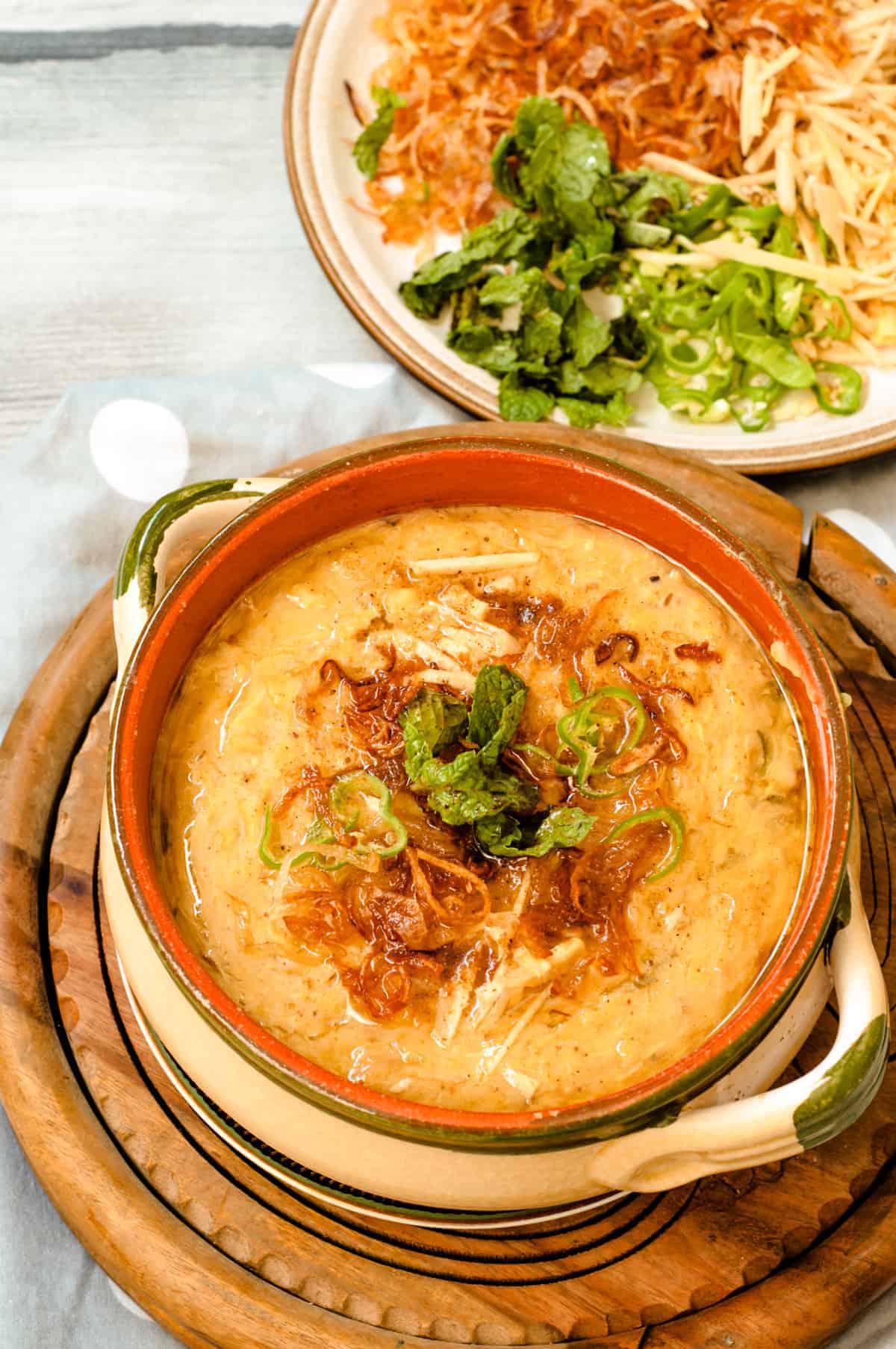
Think lentil soup instead of rich meat curries. Cracked wheat porridge instead of parathas layered with pure ghee. Fresh fruit instead of heavy sweets. It's not deprivation. It's conscious choice.
The 10-Day Meal Plan: A Framework
You don't need a complicated spreadsheet. Here's what actually works:
Days 1-3: Foundation with Lentils
Start with moong dal—yellow lentils cooked soft with onions, tomatoes, and minimal spice. Serve alongside plain rice or roti. It's versatile enough to eat two days straight. Add fresh vegetables: grated carrots, boiled peas, spinach if available.
The whole point is protein without that heavy, sluggish feeling afterward. Pair every meal with fresh yogurt from an actual dairy supplier, not the sweetened stuff sitting in supermarket coolers.
Days 4-6: Chickpeas and Whole Grains
Chickpeas are underrated during Ashura. Boil them soft, add them to vegetable stews, mix with barley for something warming and genuinely filling. The fiber keeps you satisfied without weight.
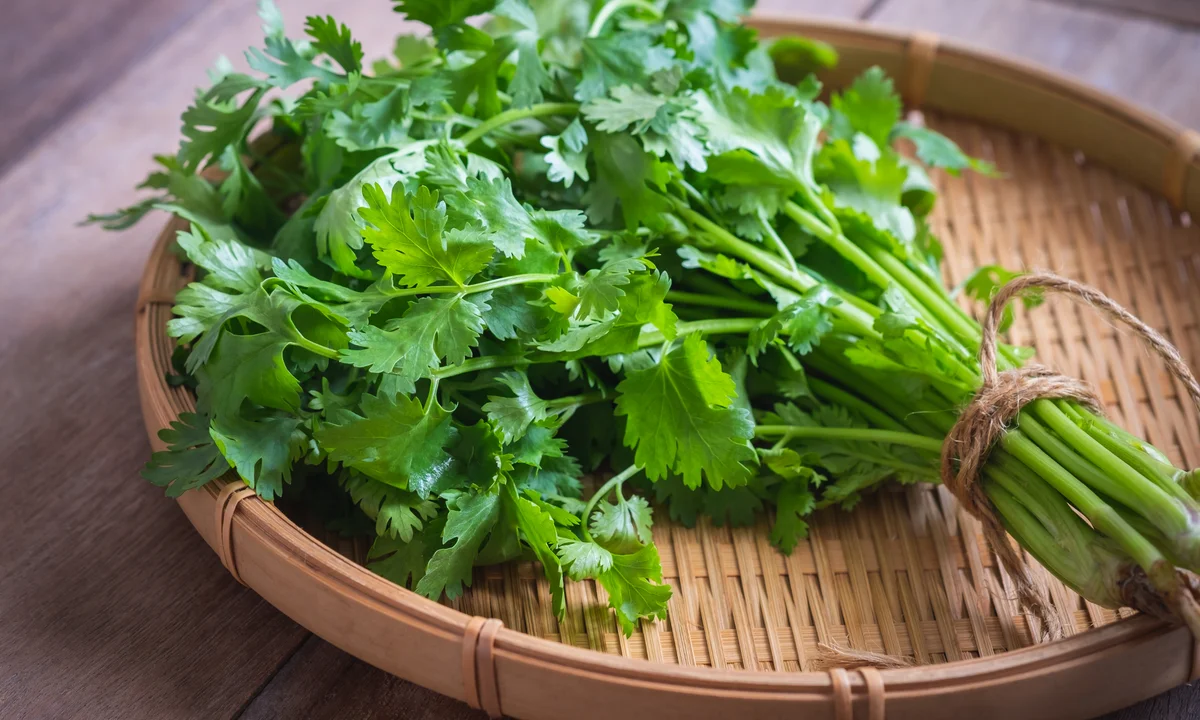
Include plenty of seasonal greens—spinach, bottle gourd, whatever looks fresh at Savour Foods or your neighborhood grocer. This is where muharram month meals become about what's actually in season in your region, not what's convenient in plastic.
Days 7-9: Light Proteins, Maximum Vegetables
Shift toward split pea stew—lentils that fall apart when cooked, mixed with pumpkin and just enough spice to be interesting. Or make chickpea and vegetable biryani, but do it light. Less oil. More broth. Lots of vegetables throughout.
The operative word here is restraint. You're not avoiding flavor. You're choosing subtlety over excess.
Day 10—Ashura Itself
By tradition, many families eat dates and water as the day progresses. In the evening, households often share simple lentil soup, fresh fruit, and dairy-based dishes. Maybe vermicelli cooked with milk and dried apricots, without heavy ghee. Kheer made with less sugar. Dates stuffed with crushed nuts and a touch of pure ghee.
Keep it simple. Keep it reverent.
Insider Tips for Cooking During Ashura
Buy Your Lentils and Grains Early — Head to the vegetable market in early Muharram. Stock up on yellow lentils, split peas, barley, dried chickpeas. Prices are still reasonable. You avoid the rush and inflation that hits the final week.
Skip the Packet Spice Mixes — Every family has their own ratio. Make your own. Ground coriander. A pinch of turmeric. Maybe a bay leaf. Let the natural flavor of lentils and vegetables shine.
Fresh Yogurt is Non-Negotiable — Find a local dairy supplier. Real, plain yogurt. It's fresh, tangy, and affordable. Serve it with every meal.
Soak Your Beans Overnight — Overnight soaking means lentils cook faster, digest easier, and taste good instead of chalky. Set them before bed. Cook the next afternoon.
Work With Seasonal Vegetables — In mid-June in Rawalpindi, you've got pumpkin, tomatoes, spinach, carrots, bottle gourd. Use what's in season. It's always cheaper, fresher, and tastes better.
Make It Actually Manageable
The biggest mistake: overcomplicating everything. You don't need ten different dishes. You need three or four simple ones you can rotate. Lentil soup that lasts two days. Chickpea stew made midweek. Vegetable biryani for another two days.
Batch cooking is your friend. Make a large pot of lentil soup on Sunday. Eat it Monday and Tuesday. Cook chickpea stew Wednesday. It keeps perfectly. You're not cooking every day from scratch.
And honestly, this restraint is the entire point. Ashura isn't about endless cooking or showing off. It's about presence, remembrance, and nourishing your family with genuine intention.
Where to Source Everything
For fresh vegetables, hit the markets in Islamabad—near F-10 or Aabpara. Prices are lower than supermarkets. Quality is better. Go early, before 10 AM. Pick your own vegetables.
For lentils, chickpeas, and grains, buy loose from bins instead of pre-packaged. Check dates. Fresh lentils smell slightly sweet, not musty.
For fresh yogurt, find a local dairy supplier. Every neighborhood has one. It costs maybe 100-150 rupees per kilogram and beats anything in a supermarket.
If you want convenience—fresh vegetables, lentils, quality yogurt, dates, everything for muharram month meals delivered to your door—FreshBox covers most of what you'll need in Islamabad and Rawalpindi.
The Actual Point
Ashura is about what matters. Feeding your family well, with intention. Honoring a sacred month through the food you choose.
It doesn't need to be complicated. It should be the opposite.
Keep your meals simple. Nourishing. Real. Cook with intention. Share what you make.
That's the tradition. Everything else is noise.
Ready to start eating healthy?
Browse our selection of fresh produce and groceries, delivered to your doorstep in minutes.
Start Shopping
Written by
Faisal ShehzadFaisal Shehzad writes practical, locally-grounded guides on groceries, seasonal produce, nutrition and home cooking for households across Islamabad and Rawalpindi.
View all articles →