
Organic Spices Pakistan: Which Ones Worth Your Money
Which Organic Spices Pakistan Actually Needs
You're standing in the spice aisle. Two canisters of turmeric. One says 'organic' and costs three times more. The other doesn't. And you're standing there thinking: do I actually need this? Or is it just marketing designed to make me feel guilty?
Real talk: you don't need every spice to be organic. But some absolutely should be.
Here's the thing: not all spices pick up pesticides the same way. Some plants get hammered with sprays during cultivation. Others barely get touched. And in Pakistan, where so much of our spice production relies on traditional farming in regions like Punjab and Khyber Pakhtunkhwa, knowing which organic spices Pakistan actually demands can save you money while protecting your health.
The big three that matter are turmeric, black pepper, and chili powder. Everything else? You can be flexible.
Turmeric — Non-Negotiable
Turmeric comes from rhizomes — underground stems — which means higher soil exposure and more pesticide accumulation. If you're using turmeric every single day like most Pakistani households are, it compounds. You're talking about a spice that shows up in curries, rice dishes, golden milk, and sometimes even in lassi. The accumulation matters.
Plus, quality turmeric tastes completely different. The golden-orange color, the earthy depth, the complete absence of that chemical aftertaste — you'll notice it immediately in your biryani or dhal curry. It's one of those spices where investing in organic actually changes what you cook.
Black Pepper — The Concentrated Flavor
You use such small amounts of black pepper that every single grain should count. Low-quality black pepper gets adulterated with filler, contains debris, or has been stored so long that it's basically flavor-dead. Organic black pepper from proper suppliers is genuinely cleaner and more potent.
Is it expensive? Yes. But when you're using something in such small quantities, you want it to actually do something in your food. A pinch of good black pepper in your eggs or sprinkled on yogurt changes everything. A pinch of stale stuff? It does nothing.
Chili Powder — The Overlooked Risk
Chili peppers are heavily sprayed globally. They're part of the 'Dirty Dozen' list for pesticide contamination. Your chili powder might be imported from Punjab, might be local, might come from wherever — but if it's conventionally grown, it could be carrying accumulated pesticide residue. Most people don't even think about this when buying chili powder.
The good news? Organic chili powder tastes noticeably sharper and more authentic. The flavor is concentrated. You actually use less because a teaspoon of good chili powder does more than a tablespoon of mediocre stuff. That's where you get your money back.
The Spices You Can Actually Skip
Now let's talk about where you save money without feeling bad.
Cardamom. I'm saying it. You don't need organic cardamom. The pods themselves protect the seeds pretty well. Plus, cardamom's expensive enough already without the organic premium. Spend your money on high-quality cardamom — organic or not — and make sure it's fresh and fragrant. Freshness beats certification every time.
Cinnamon works the same way. The bark offers decent protection from surface pesticides. A fresh cinnamon stick that you can actually smell the fragrance from matters infinitely more than whether the label says organic. Stale cinnamon, even if certified organic, tastes like cardboard.
Cloves, fennel seeds, fenugreek — these are all spices where conventional, quality versions work perfectly fine. The spray exposure is lower during cultivation, you use minimal amounts in your cooking, and honestly, quality variation based on harvest time and storage matters way more than the organic certification label.
Quality Over Certification
Here's what most people get wrong: they trust the organic label more than they trust their own judgment.
Forget the certification for a moment. Here's what actually matters: where you're buying from. In Islamabad, vendors near F-10 market tend to have higher turnover, which means fresher stock. The Sunday Bazaar chaos might be a headache, but the spice vendors there move product fast. Online platforms that actually curate their sources give you consistency and transparency.
Real insider tip: buy whole spices whenever possible, not ground. Whole turmeric roots, dried whole chili peppers, whole black pepper — they last longer, taste exponentially better, and you can actually assess the quality yourself. Ground spices start losing potency the instant they're ground. After three months, that jar of ground coriander isn't really doing much in your kitchen anymore.
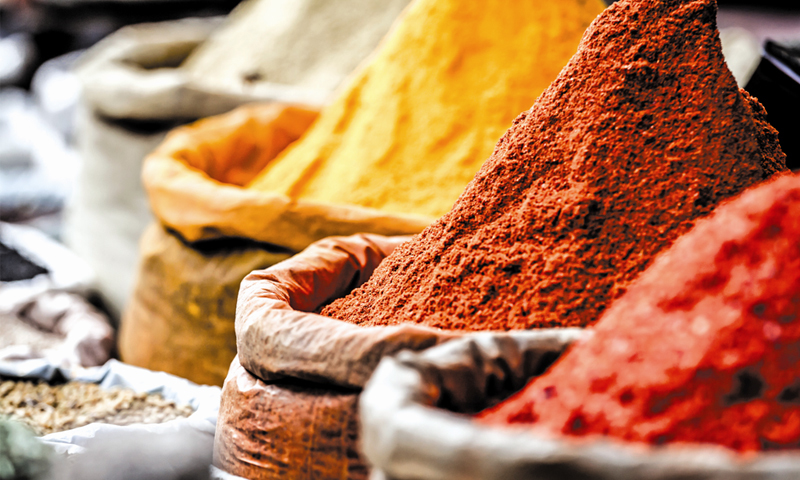
Check the color. Organic turmeric should be bright golden-orange, not dull or reddish-brown. Fresh chili powder should smell sharp and slightly sweet — not musty or like old paper. If it smells like nothing, it's old. Full stop.
Smell everything before you buy. Seriously. A vendor who lets you open containers and smell the spices before purchase is someone worth building a relationship with.
Storage Matters More Than You Think
Here's something nobody talks about: how you store spices matters more than whether they're organic. An organic spice stored in a hot, humid kitchen during summer will degrade faster than a conventional spice kept in an airtight container in a cool, dark place.
Use airtight containers. Glass is better than plastic. Keep them away from direct sunlight and heat. And honestly, don't buy spices you won't use for months. They're not like flour or ghee. Turmeric, if stored properly, keeps about a year. But most home cooks replace it every four to six months anyway.
Pakistan's summer heat destroys spices. Especially without consistent air conditioning. The moisture, the heat — it kills potency fast. So buy in smaller quantities of what you actually use regularly. Spend the organic money on the ones you cook with constantly.
If you're buying three jars of fenugreek because they were on sale, you've already lost. You'll use one, and the other two will sit there getting stale while you're wondering if you should throw them out.
Where to Actually Get Good Organic Spices
The problem with local markets — and I say this as someone who loves them — is inconsistency. One visit, the turmeric is perfect. Next visit, it's the same vendor but the stock is weeks old. You're relying on luck.
Online grocers that specialize in sourcing organic spices Pakistan give you what local markets can't: consistency. You know what you're getting. You can read where it comes from. You can reorder when you run out instead of making another trip.
FreshBox carries organic spices that actually have turnover, which means they're fresh when they reach you. They've done the work of finding good suppliers, so you don't have to spend your Sunday afternoon comparing turmeric colors at different stalls in F-10.
The Takeaway
Organic spices Pakistan is a smart choice if you're actually strategic about it. Buy organic when it matters: turmeric, black pepper, chili powder. Save your money on cardamom, cinnamon, cloves. Focus on freshness, storage, and where you're buying from rather than obsessing over the organic certification label.
Your biryani will taste better. Your curries will have more depth. Your kitchen will smell better. And you won't have spent your entire monthly budget on spices.
That's the win.
Ready to start eating healthy?
Browse our selection of fresh produce and groceries, delivered to your doorstep in minutes.
Start Shopping
Written by
Faisal ShehzadFaisal Shehzad writes practical, locally-grounded guides on groceries, seasonal produce, nutrition and home cooking for households across Islamabad and Rawalpindi.
View all articles →