
Screen Time Health Nutrition: Break Your Junk Food Cycle
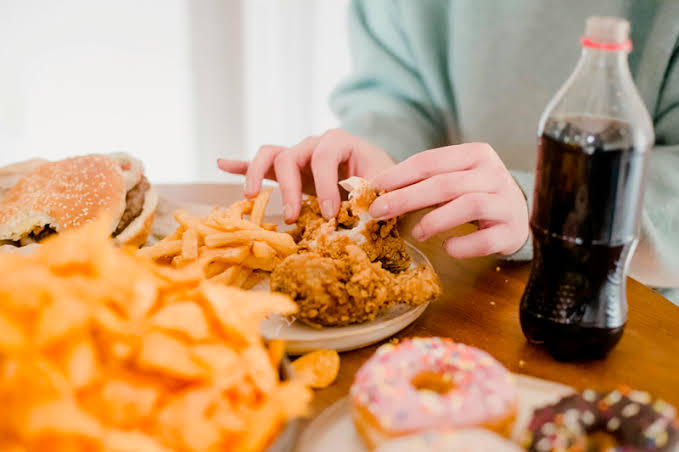
Screen Time & Hunger: Why Your Phone Habits Made Junk Food Groceries Look So Good
You're scrolling through Instagram at 10 PM. Not even hungry. And then suddenly — you're staring at a Reels video of someone demolishing a plate of biryani, and your stomach's growling like you haven't eaten in days. Sound familiar?
Here's what's actually happening: your phone is hijacking your hunger signals. And it's way more deliberate than you think.
The Distraction-Hunger Connection
When you're glued to your screen, your brain literally forgets to tell you if you're actually hungry or full. This isn't weakness. This is neuroscience. Your prefrontal cortex — the part that handles decision-making and hunger awareness — is completely maxed out processing notifications, likes, comments, and the algorithm's endless feed. It can't also monitor your stomach.
Meanwhile, your hunger hormones don't take a break just because you're busy. Ghrelin (the "eat me" hormone) keeps rising. But your brain's too distracted to notice. So you either eat way more than you need, or you make terrible choices — reaching for whatever's easiest instead of whatever's actually nourishing.
Real talk: I used to have this problem bad. I'd sit down "for just five minutes" of scrolling and suddenly it's been 45 minutes and I'm halfway through a bag of chips I didn't even enjoy.
Why Your Phone Makes Junk Food Look Irresistible
It's not random that the moment you open TikTok, you see that video of someone eating something fried and delicious. The algorithm knows exactly what makes you click. And here's the thing — when you're distracted, your impulse control tanks. Your brain's executive function is offline. You're basically running on pure instinct and dopamine.
Junk food is engineered to hit your dopamine button hard and fast. Sugar, salt, processed ingredients — they're designed to be addictive. Add phone distraction on top of that, and you've created the perfect storm. Your willpower has no chance. You're not weak. You're fighting neurobiology.
Plus, when you're scrolling, you're not actually tasting your food. So you eat more trying to satisfy that sensory experience that never comes. This is where the issue with screen time health nutrition starts — you're chasing satisfaction that food alone can't give you.
The Dopamine Loop (And How It Traps You)
Your phone gives you dopamine hits. So does junk food. When you combine them — scrolling while snacking — you're basically running a dopamine factory. Your brain gets used to that constant reward loop. Regular food starts feeling boring. Healthy meals don't hit the same way a plate of fried pakoras does while you're binge-watching something.
This isn't about discipline. This is addiction mechanics. The more you do it, the more your brain rewires to crave that combination.
I've noticed this with my own family. During Ramadan, we're much more mindful when we eat — we're sitting together, not distracted. And honestly? We're satisfied with less food and we actually taste what we're eating. The difference is night and day.
How Screen Time Messes With Your Actual Hunger Cues
Your body has a pretty good system for telling you when you're full — something called satiety. It takes about 20 minutes for your brain to register that you've eaten enough. But if you're shoveling food in your mouth while watching Reels, you'll finish an entire container of biryani before your brain catches up.
And here's the weird part: the more you ignore these signals, the worse they get. Your hunger-satiety system starts malfunctioning. You stop being able to tell the difference between actual hunger and boredom or anxiety.
Then when you're at the grocery store (or scrolling through delivery apps at midnight), you make bad decisions because you've lost touch with what your body actually needs.
The Junk Food Paradox in Pakistani Households
Look, our families have been the backbone of Pakistani food culture for generations. We know about fresh vegetables from the vegetable market, proper cooking, sitting down together for meals. But screen time has completely disrupted that.
Now you've got kids eating alone in their rooms with YouTube on, adults grabbing processed snacks while working from home, families ordering fried takeout because they don't have time to focus on cooking. It's not because we've forgotten how to eat well. It's because our attention is completely fragmented.
The irony is that we now have access to delivery apps that bring fresh produce to your door — stuff that would've required a trip to the vegetable market in the old days. But if you're ordering while distracted and scrolling, you end up with a cart full of junk anyway.
What Actually Works (Without Deleting Your Apps)
Here's what I do: I put my phone in another room during meals. Not forever, just during eating. It sounds simple because it is. But it's revolutionary when you actually try it.
When you're not distracted, something magical happens. You taste your food. You notice when you're full. You actually enjoy what you're eating instead of consuming it mindlessly. And most importantly — you stop overeating because your body's signals finally get through to your brain.
Also, eat at a table. Actual furniture, not your bed. This small change makes your brain register it as "eating time" instead of "snacking time" (even if you're eating the same thing).
Another thing: if you're going to scroll, do it before eating, not during. Let your dopamine hit settle. Then eat something because you're actually hungry, not because the last Reel made it look amazing. This simple shift is the core of fixing your screen time health nutrition cycle.
The Practical Grocery Play
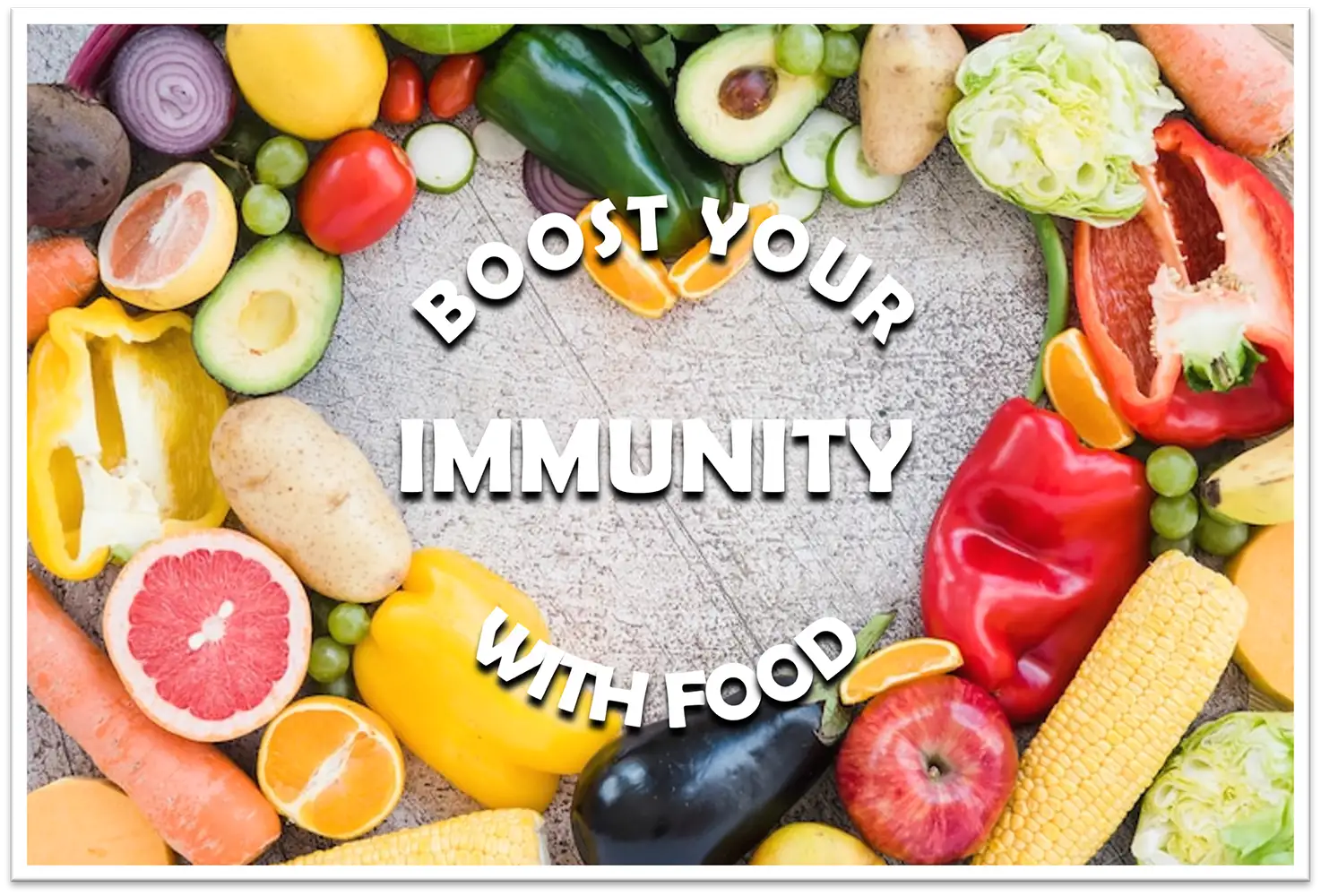
When you're planning groceries, do it with a clear head — not at midnight after scrolling. Make a list before opening any delivery app. Include whole ingredients: fresh vegetables, lentils, yogurt, eggs, whole grain flour.
You can order these on FreshBox while thinking clearly, and they'll arrive before the evening cravings hit.
But here's the honest truth: the ingredient isn't the problem. Your attention is. You can have the freshest vegetables in the world delivered to your door, but if you're eating them while scrolling, you'll still find yourself reaching for junk food an hour later because you never actually satisfied the eating experience.
Screen Time Health Nutrition: The Connection That Matters
The real issue isn't screen time or health or nutrition separately. It's how they connect. Your phone habits shape what you eat. Your eating habits shape how you feel and focus. It's one system.
And here's my actual hot take: most people know what they should eat. They know fresh food is better than processed. They know vegetables are healthier than chips. The problem isn't knowledge. It's that their attention is completely hijacked, so they can't actually follow through on what they know.
Fix the attention part. The food part becomes so much easier.
The Bottom Line
Your phone isn't inherently evil. But if it's sitting next to your plate, it's basically controlling what you eat. Put it away during meals — just during meals. Notice what happens. You'll actually taste your food, your body's signals will work again, and you'll probably eat less while enjoying it more.
The best diet isn't about restriction. It's about attention.
This article is for general information only and is not a substitute for professional medical advice. Always consult a qualified healthcare provider about your individual health needs.
Ready to start eating healthy?
Browse our selection of fresh produce and groceries, delivered to your doorstep in minutes.
Start Shopping