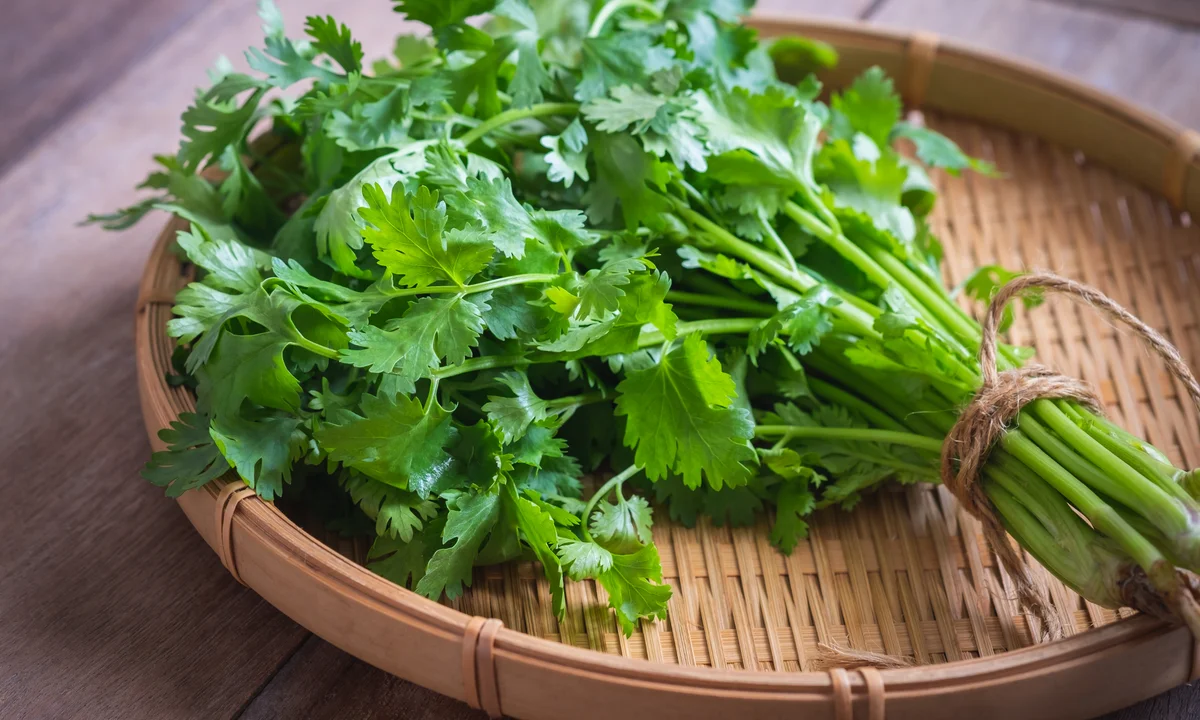

Summer Vacation Meal Planning: When You're Broke After Eid & Kids Are Home 8 Weeks
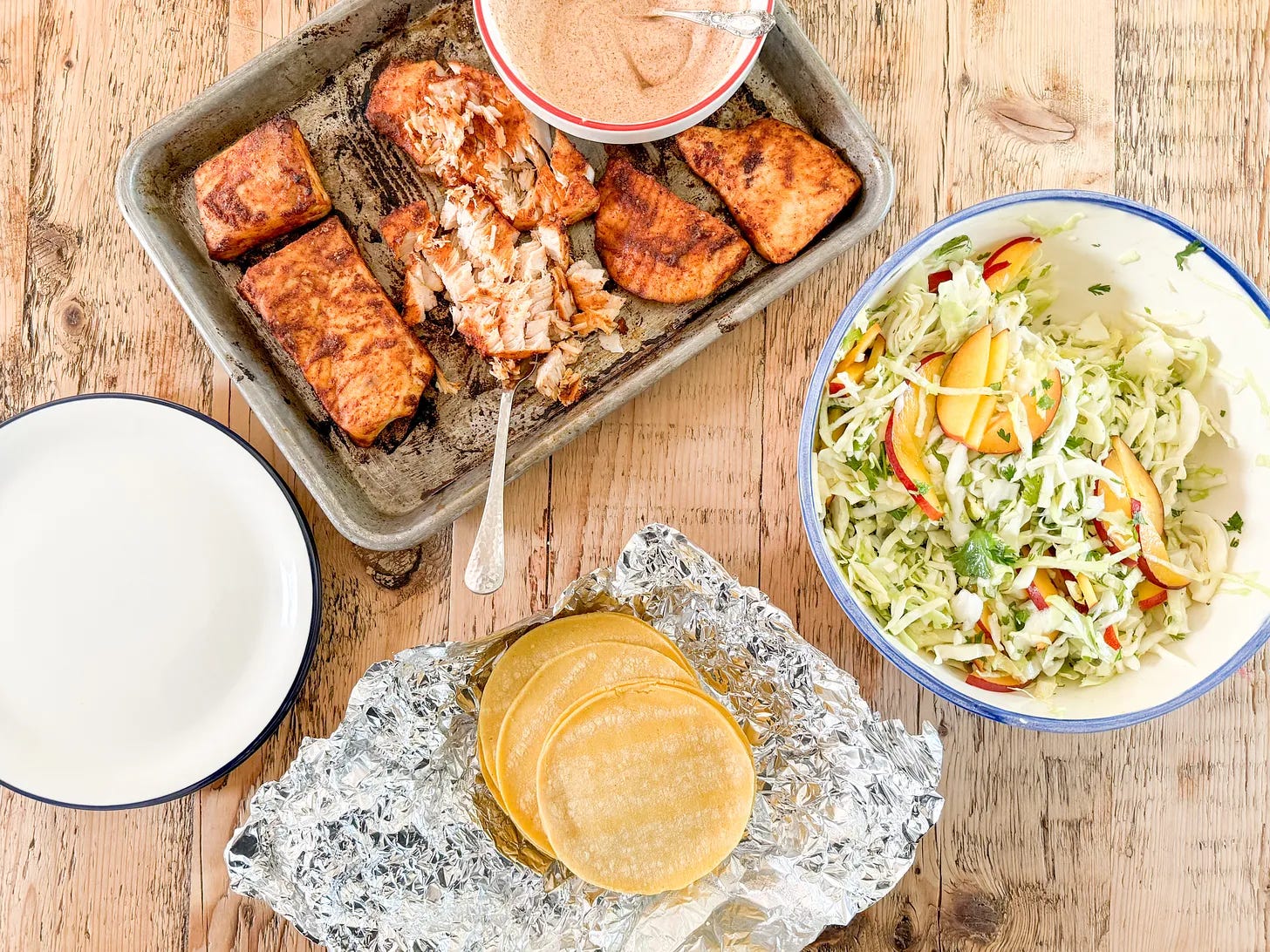
Real talk: the combination of Eid shopping, power outages in May, and suddenly having three kids home for eight weeks straight is an annual financial disaster. Everyone pretends it's not happening, but we all know that account balance after buying gifts and biryani meat for forty relatives. The good news? Summer vacation meal planning doesn't have to be complicated. It just has to be realistic.
The Post-Eid Reality Check
Look, by late May, most households in Islamabad and Rawalpindi are running on fumes. Eid expenses were real. AC bills are climbing. And now you're about to spend eight weeks feeding human garbage disposals — because that's what kids are on summer break. They eat constantly.
This is not the time to suddenly aim for organic quinoa bowls and artisanal sourdough. You need a summer vacation meal planning system that works within an actual budget. The kind where you're not calculating if you can afford chicken or fish this week.
The average middle-class household in Islamabad spends maybe 8,000-12,000 rupees per week on groceries if they're being careful. With school lunches and regular eating out, that shrinks further when kids are home and you need to feed them three meals a day plus constant snacks. The solution isn't to buy less — it's to be smarter about what you buy and how you use it.
Budget Meal Planning That Actually Works
Here's the thing: summer vacation meal planning starts with accepting what won't change. You're still going to make daal. You're still going to cook rice and some form of curry. You're still going to have rotli or naan with almost every meal. These are non-negotiables in Pakistani households, and honestly, they're cheap foundations.
Instead of planning exotic meals, plan around ingredients that do double duty. Buy a chicken one week — use it for curry, then for biryani, then shred it for qorma. Buy a bag of onions and use them across five different dishes. This is not reinventing the wheel; this is how every Pakistani household with a tight budget has always eaten.
The trick is to have a rotating menu that repeats every two weeks. Week one: daal with spinach, chicken curry, beef qorma, egg biryani, lentil soup. Week two: chickpea curry, mutton keema, fish fry, lamb korma, mixed vegetable daal. Then start over. Your kids won't care that they're eating the same meals twice a month.
Batch Cooking: The Secret Weapon
And here's my actual insider tip that saves money every single time: cook double portions on the days when you're already in the kitchen working.
Make extra daal curry on Monday? Freeze half. Make chicken on Wednesday? Portion it and freeze it for the second week. When you have frozen qorma, frozen curry, and frozen rice already cooked, a 30-minute dinner suddenly feels possible even when it's 45 degrees outside and everyone is screaming.
This isn't fancy meal prep. This is survival. A large container of frozen daal lasts three days and costs maybe 500 rupees in ingredients. That's cheaper than making it fresh every time, and infinitely cheaper than ordering takeout when you're exhausted and defeated.
Invest in good freezer containers — spend 3,000 rupees on a set of eight containers and they'll last three summers easily. Your mental health in July will thank you more than you realize.
Seasonal Vegetables That Won't Break You
May and June in Islamabad means tomatoes, onions, cucumbers, peppers, and whatever leafy greens the Sunday Bazaar has that day. Don't fight the season. Buy what's cheap and abundant.
Tomatoes in May? Buy 20 kilos, make them into sauce, freeze in portions. That tomato base works for daal, curry, qorma, biryani, everything. One afternoon of cooking becomes three weeks of meals ready to go. A kilo of tomatoes costs 80-120 rupees depending on where you are. Even at the expensive end, that's 2,000 rupees for eight weeks of tomato base.
Leafy greens rotate — spinach, mustard greens, whatever's available at the market. Saute with onions and garlic, portion into containers, freeze. Add to daal, mix into qorma, use as a side with anything. The cost per serving ends up being almost nothing.
The vegetables you want to avoid? Imported stuff like avocados or those pre-packaged salad boxes. They're not in season, they cost three times what local produce does, and honestly, your family won't miss them during summer break.
Pantry Staples That Do The Heavy Lifting
Stock these once, and they'll carry you through most of summer without needing to restock. A 20-kilo bag of flour from F-10 Market costs 1,200 rupees. Make rotli for eight weeks with that — it's expensive to buy rotli every day, but flour is the cheapest carb available.
Rice from the wholesale market — buy a 20-kilo bag once. White rice is cheap and filling. Don't get fancy with basmati unless you have the budget.
Daal in bulk — red lentils, chickpeas, white beans. These are proteins for people without much money, and they should be the foundation of every meal. A 500-gram bag costs 150-200 rupees.
Cooking oil, salt, spices you already use. Don't buy every new spice mix that appears on grocery shelves. You already know what spices go into curry. Use those.
The Math On Budget Meals
A simple daal and rotli meal costs maybe 150 rupees per person to make. Chicken curry with rice is maybe 200 rupees. Even if you're feeding four people, that's 600-800 rupees per meal. A family of four, three meals a day, for two months, with this budget summer vacation meal planning approach? You're looking at around 40,000-50,000 rupees total if you're careful.
Compare that to ordering in even once a week (500 rupees per plate, four people = 2,000 rupees per week), and your savings are immediately obvious.
The Friday Biryani Exception
Don't try to cut biryani entirely. That's when your kids will riot and you'll lose your mind. Make biryani once a week on Friday. Use up your leftover rice, some meat from earlier in the week, the same spices you use for curry. It's not expensive if you're using what you've already bought.
This is also a genuine small joy for families stretched thin, and your mental health is worth it.
Making It Sustainable
The real secret to summer vacation meal planning on a budget is accepting that some days will be chaotic. Sometimes you'll end up ordering pizza at 8 PM because nobody's cooperating and you've lost your mind. That's fine. One pizza doesn't destroy the budget if the other 14 meals that week were homemade.
Plan for 90% homemade eating, accept 10% chaos. That ratio is realistic and doesn't require you to be perfect.
Start small — plan just one week of meals, make your shopping list, see what actually works for your household's tastes and habits. Next week, adjust based on what stuck and what didn't. By week three, you'll have a rhythm that doesn't feel like constant meal planning.
Keep your freezer stocked with homemade foundations — cooked daal, cooked rice, pre-marinated meat. When you have these ready, summer meals feel manageable instead of impossible.
You can find fresh produce and pantry staples easily on FreshBox if shopping in the heat isn't appealing, but the meal planning system is the same either way.
Summer vacation with kids on a tight budget is always hard. But it's not impossible if you stop expecting restaurant-quality meals and start planning like a household that knows how to eat affordably. That's not deprivation — that's just real life in Islamabad and Rawalpindi.
Ready to start eating healthy?
Browse our selection of fresh produce and groceries, delivered to your doorstep in minutes.
Start Shopping
Written by
Faisal ShehzadFaisal Shehzad writes practical, locally-grounded guides on groceries, seasonal produce, nutrition and home cooking for households across Islamabad and Rawalpindi.
View all articles →