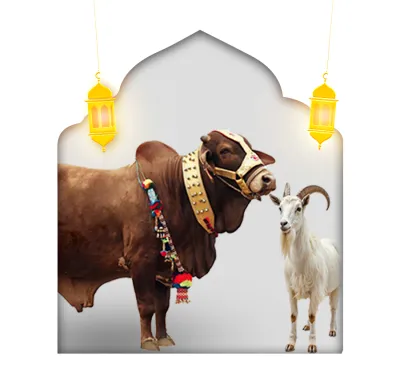

Yum e Arfa: What We Actually Eat on Arafah Day
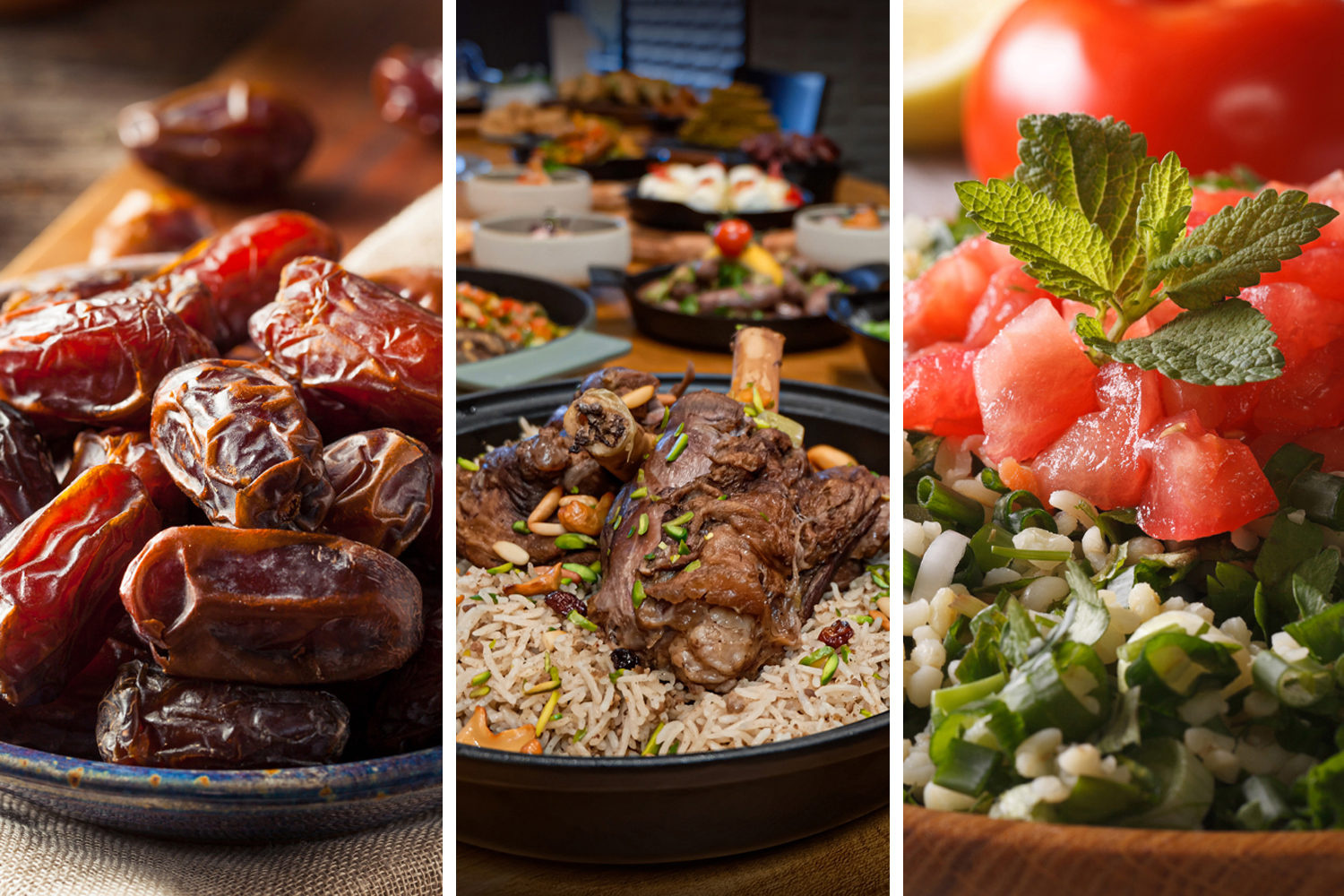
Every ninth day of Dhul-Hijjah, something shifts in Pakistani kitchens. Yum e Arfa isn't just a religious observance—it's the day when your mum suddenly appears with ingredients for three different curries and your father mysteriously remembers every food story from his childhood. The ninth day of Dhul-Hijjah is when pilgrims gather on Mount Arafah for one of Islam's most significant moments, and back home in Islamabad and Rawalpindi, we honor that with our own rituals. Food rituals.
Here's the thing: Yum e Arfa has become as much about what's on the plate as what's in the heart. It's a day when meat isn't optional—it's essential. When spices are measured with generosity, not restraint. When the smell of slow-cooked meat and aromatics fills entire neighborhoods, and everyone knows exactly what their neighbor is making based on the fragrance drifting over the wall.
What Actually Is Yum e Arfa?
Yum e Arfa literally means "the day of Arafah"—the ninth day of Dhul-Hijjah, the Islamic month of pilgrimage. For Muslims performing Hajj, this day is spent in prayer and reflection on Mount Arafah, considered spiritually essential for the journey. But for the rest of us watching from home, Yum e Arfa has become a day of celebration, gratitude, and honestly, some seriously good eating.
It's not an official holiday in Pakistan, but it might as well be. Schools close. Offices empty. Families gather. Kitchens go into overdrive.
The tradition of eating meat on Yum e Arfa isn't random. It stems from the Islamic emphasis on the day's spiritual importance—marking it with special food is our way of honoring pilgrims and connecting with the occasion, even from thousands of miles away. In Pakistani households, this means meat-heavy meals that would make any butcher smile.
The Meat That Defines the Day
Look, let's not pretend—Yum e Arfa is carnivore paradise. Meat isn't a side player here; it's the entire orchestra.
In most Pakistani homes, the centerpiece is a proper meat curry. And we're talking about the kind that simmers for hours until the meat falls apart at the suggestion of a spoon. Beef korma. Mutton nihari. Goat meat qorma with those deep, warming spices that coat your mouth. The meat choices vary by household, by region, by what's available and what feels right that year.
Nihari is probably the most traditional Yum e Arfa dish. There's something ceremonial about it—the slow cooking overnight, the careful layering of spices, the way it's served early in the morning with fresh naan and lemon. In some families, the meat is cooked so tender it dissolves. In others, it's chunky, substantial, a proper chew to it. Both are right. Food opinions in Pakistan aren't facts; they're family signatures.
But real Yum e Arfa preparation means multiple meat dishes. Maybe a qorma with cream and almonds. Perhaps dry meat preparation—meat fried with onions and spices until caramelized and crispy. Add some meat chapli kebab if you're feeling it. Stack them all on the table and let everyone decide which way they want their meat today.
Insider tip: the meat should be bought fresh the morning of, or the night before at the absolute latest. This isn't the day to use frozen meat from three weeks ago. The texture matters. The quality matters. Your butcher in F-10 Market or the Sunday Bazaar knows Yum e Arfa is coming. They'll set aside the good pieces.
What Else Lands on the Table
The curries are the main event, but they don't perform alone. Rice is essential—fragrant basmati, cooked with whole spices if you're traditional, or simple and buttered if you prefer. Bread is non-negotiable: naan, roti, or both. Fresh yogurt cuts through the richness, cooling your mouth between bites.
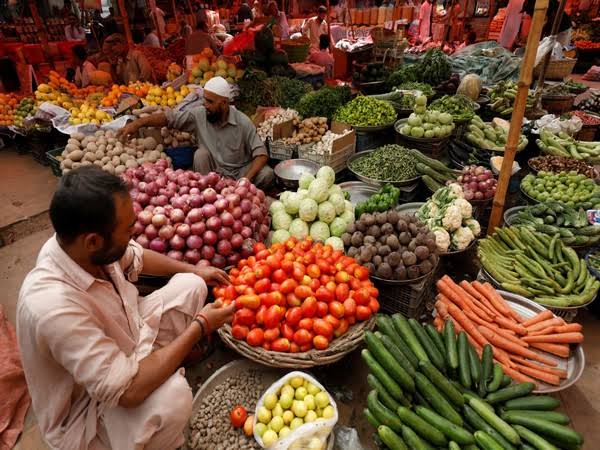
Then there are the vegetables. Not because anyone particularly wants them—let's be honest—but because eating only meat three times a day is exhausting, even for a day. Spinach cooked with meat. Potatoes in the curry. A simple salad of cucumber and tomato with salt, lemon, and dried mint.
Dessert happens too, though it's often light. Kheer made with fresh milk and basmati rice. A simple fruit-based option. By evening, everyone's in food coma territory anyway, so dessert is more formality than serious undertaking.
What won't make an appearance on Yum e Arfa? Chicken, for most families. Definitely not fish or vegetables as the main protein. This day belongs to the heavier meats.
Regional Variations Worth Knowing About
Yum e Arfa food isn't uniform across Pakistan. Rawalpindi has its own way. Karachi does it differently. Lahore has strong opinions.
In Lahore, the tendency is toward richer preparations—meat in cream-based curries, more ghee involved. In Karachi, simpler spice profiles sometimes appear, with more emphasis on fresh herbs. In smaller cities and villages, it often circles back to what's been done for generations—the family recipe brought from India during Partition, or inherited from a grandmother who swore by one particular technique.
But across all variations, one thing remains constant: meat is central on Yum e Arfa.
The Modern Take on Tradition
These days, you'll find some families experimenting. Meat biryani instead of curry. Meat pao instead of naan. Smoked meat preparations that wouldn't have existed in your parents' childhood. The tradition is flexible enough to accommodate modern tastes while keeping the essence intact.
What's important is the intention. Yum e Arfa food is about gathering, about honoring the day, about cooking something that takes time and care. Whether that's your grandmother's exact recipe or a creative interpretation doesn't matter nearly as much as the effort involved.
For those handling the shopping side, getting quality meat and fresh ingredients makes a real difference. You can order quality meat and fresh vegetables through FreshBox if the butcher line feels too chaotic this year.
Pro Tips for Yum e Arfa Cooking
Start your meat the night before if you can. The flavors deepen. The meat becomes even more tender. There's something about overnight slow cooking that just works.
Buy more meat than you think you need. People eat more on this day. The smell of the food makes everyone hungrier.
Don't skip the ghee. This isn't a day for restraint with fats. Ghee is flavor. Accept it.
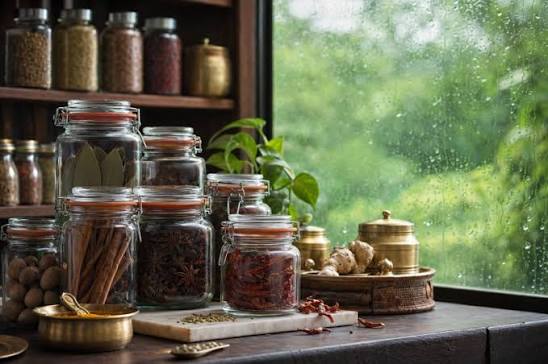
Prep your spices early in the day. Having everything measured and ready means the actual cooking feels less hectic.
Make extra. Yum e Arfa food tastes even better the next day. You'll want leftovers.
Final Thought
Yum e Arfa is more than just another day. It's how we, scattered across Islamabad and Rawalpindi and beyond, connect with something larger while grounded in the everyday ritual of feeding our families well. The meat on our plates becomes part of something meaningful, and that's what makes it special.
Ready to start eating healthy?
Browse our selection of fresh produce and groceries, delivered to your doorstep in minutes.
Start Shopping
Written by
Faisal ShehzadFaisal Shehzad writes practical, locally-grounded guides on groceries, seasonal produce, nutrition and home cooking for households across Islamabad and Rawalpindi.
View all articles →