
7 Monsoon Health Foods That Actually Protect Your Family
Why Monsoon Weather Affects Your Gut
Monsoon hits Islamabad and Rawalpindi like someone finally decided the city needed a personality change—overnight, it's humid, the roads are rivers, and suddenly everyone's complaining about their digestive system. Your cousin is down with typhoid. Your neighbor's kids came back from school with food poisoning. Your mother-in-law has an opinion about it. Actually, she has seven.
The monsoon health foods conversation isn't optional in Pakistan anymore. It's survival strategy.
Look, the humidity creates the perfect breeding ground for bacteria and viruses. Your tap water might be compromised. Vegetables sit in the market longer because transport is chaos. Street food is basically a gamble you're losing. By July, your immune system has already fought three rounds just trying to keep you upright.
But here's what people don't talk about enough: you can actually get ahead of this. Not with supplements or expensive immunity powders from Instagram. With actual groceries. Real food that does real work in your body.
Monsoon health foods matter because monsoon weather creates ideal conditions for bacteria and viruses to thrive. Humidity keeps pathogens alive longer. Spoilage happens faster. Your kitchen's temperature fluctuates constantly. Power outages mean your fridge stops working for hours at a time. Nobody wants to think about what that means for their milk and yogurt.
Your body is also dealing with excess moisture in the air, which affects how your lungs and digestive system function. You're sweating more, losing water, losing electrolytes. Your immune system is literally working harder just to keep you stable.
This is where actual monsoon health foods come in—not as a supplement to your diet, but as the core of it.
The 7 Monsoon Health Foods Your Family Actually Needs
Fresh Ginger
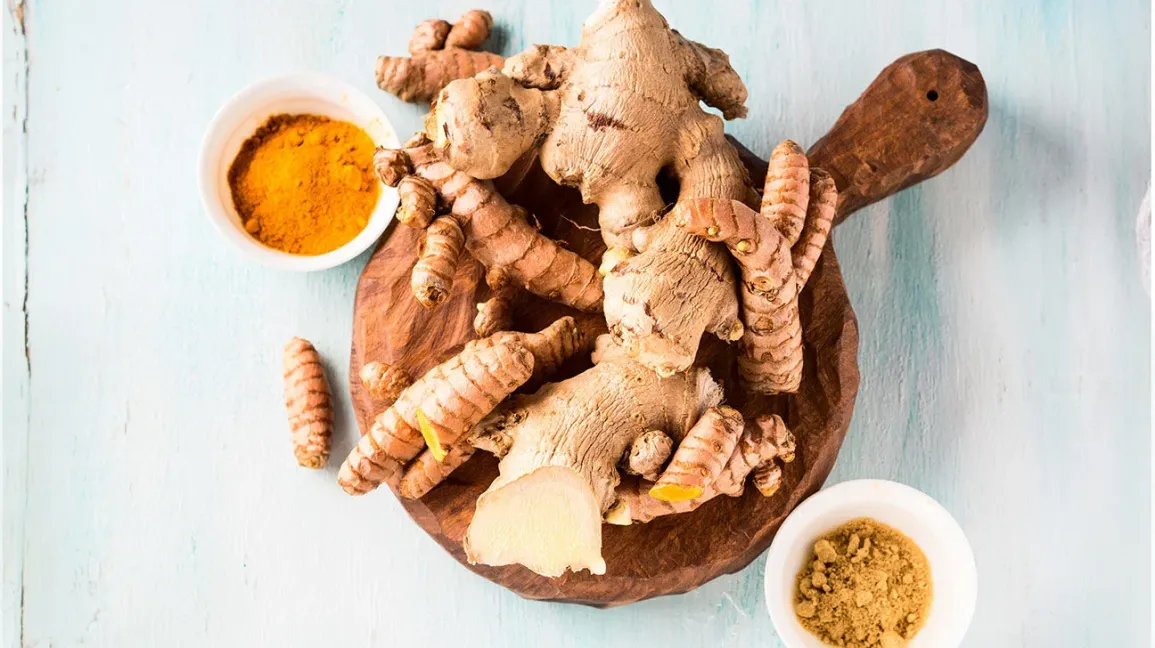
Ginger isn't just flavor—it's medicine wrapped in a knobby brown package. It fights nausea, settles upset stomachs, and has antibacterial properties that actually matter when monsoon viruses are circling.
Fresh ginger in your morning tea, grated into curries, stewed with lemon and honey when someone gets sick—this is what every Pakistani household should have during monsoon. Not powdered ginger. Fresh. The difference is massive.
Add it to water that's been boiling for five minutes and drink it warm. Your stomach will settle in ways that words can't capture.
Turmeric
Curcumin is the compound in turmeric that makes it borderline magical. Anti-inflammatory, antimicrobial, it works in your gut like a tiny bouncer removing troublemakers.
During monsoon, turmeric shifts from just seasoning to actual prevention. A pinch in milk before bed. A quarter teaspoon in your rice. Mixed into yogurt with a drizzle of honey. The WHO basically admits turmeric works—we've known this for three thousand years.
Plain Yogurt
Store-bought yogurt from the supermarket doesn't even compare to fresh yogurt. Full stop. But even mediocre yogurt beats no yogurt when your digestive system is under siege.
Yogurt has live cultures that are literally beneficial bacteria fighting the bad bacteria. It coats your intestines in a protective layer. It's cheap. It's accessible. It works better than most things you'll buy specifically marketed as "digestive health."
Eat it plain. Add a pinch of salt. Or mix it with cucumber during summer. Don't load it with sugar and store-bought mango pulp—that defeats the entire purpose.
Citrus Fruits
Vitamin C is the immune system's actual currency. Not supplements. Real vitamin C from fruit.
Lemons in your water. Oranges as snacks. Guava (which is in season during monsoon, coincidentally) has more vitamin C than oranges and also has fiber that helps your digestive system function properly.
The thing about citrus during monsoon: it's not just about immunity. It's also about making your body slightly more acidic, which makes it harder for certain bacteria to survive.
Leafy Greens
Every nutrition expert will tell you to eat more greens. Every Pakistani mother will tell you the same thing. They're both right, but for different reasons.
Leafy greens have vitamins A, K, and folate. They're full of antioxidants. During monsoon, when your immune system is basically working overtime, leafy greens are literally fuel for that effort.
And here's an insider tip: buy them from the vegetable market, not the supermarket. The Sunday Bazaar near F-10 has greens that aren't pre-packaged in plastic. They're fresher. They last longer. They cost less.
Garlic
Allicin is what makes garlic antibacterial. Cook it and you lose some of that magic, but raw garlic in yogurt or crushed into salads? That's medicine.
One clove of raw garlic a day during monsoon is a practice that's been around forever because it actually works. Your breath will betray you, but your immune system will thank you.
Raw Honey
Honey kills bacteria directly. It soothes coughs. It settles stomach issues. During monsoon cough and cold season, honey is non-negotiable.
The keyword is raw and preferably local. Pasteurized supermarket honey is basically just sugar. Local honey from beekeepers in Rawalpindi or nearby areas has actual medicinal properties because it contains pollen from local plants—which also builds your immunity to local allergens.
A spoon of honey, a squeeze of lemon, warm water. When someone gets sick in July, this is the first thing you make them.
The Practical Stuff Nobody Talks About
And here's what actually works beyond just buying these groceries:
Boil your water properly. Not just the tap water you drink. The water you use for washing vegetables. The water in your curries. Five minutes at a rolling boil actually kills things. Your mother was right about this.
Buy in smaller quantities more often. A smaller purchase of spinach that you eat today beats a large bunch that sits in your fridge for a week getting slimy. During monsoon, spoilage happens faster. Which means you're wasting money and getting sick anyway.
Wash produce thoroughly. Not just a quick rinse. Actually wash leafy greens leaf by leaf. Vegetables with multiple layers—peel off the outer leaves. I know it feels excessive. During monsoon, it isn't.
Store your groceries properly. Humidity is your enemy. Keep onions and garlic in a cool, dry place. Keep vegetables in the crisper drawer, not loose in the fridge. Keep spices like turmeric and dried ginger in airtight containers so they don't absorb moisture.
Don't skip meals because you're feeling sick. This is the instinct people have, but it's wrong. Your immune system needs fuel. Light meals with these groceries—yogurt with honey, ginger tea, vegetable broth. Feed your body while it's fighting.
Stop Making This Complicated
You don't need expensive supplements. You don't need to buy those overpriced immunity powders that celebrities promote. You need regular groceries that you're going to eat anyway.
Monsoon health foods are just monsoon groceries. The stuff that's already in your kitchen. Except you're being intentional about having good quality versions on hand.
Fresh ginger, turmeric, plain yogurt, citrus, leafy greens, garlic, and raw honey—these seven groceries form the foundation of keeping your family healthy when the monsoon decides to mess with everyone's digestive system.
You can get these groceries delivered regularly via FreshBox so you're never caught without fresh produce when monsoon hits. But honestly, the real work is just making sure they're in your kitchen and making sure they actually get into your meals.
That's it. That's the entire system. No mystique. No expensive secret. Just groceries and intention.
References & Further Reading
The health guidance in this article is supported by the following authoritative sources:
- Turmeric: Usefulness and Safety — U.S. National Center for Complementary and Integrative Health (NIH).
- Ginger in gastrointestinal disorders: A systematic review of clinical trials — peer-reviewed systematic review, PMC / U.S. National Library of Medicine.
- How to Make Water Safe (boiling to kill germs) — U.S. Centers for Disease Control and Prevention (CDC).
This article is for general information only and is not a substitute for professional medical advice. Consult a qualified healthcare provider about your individual health needs.
Frequently Asked Questions
What foods boost immunity during monsoon season?
Why does monsoon weather cause stomach problems?
How can I avoid getting sick during monsoon?
Is fresh or powdered ginger better for monsoon immunity?
This article is for general information only and is not a substitute for professional medical advice. Always consult a qualified healthcare provider about your individual health needs.
Ready to start eating healthy?
Browse our selection of fresh produce and groceries, delivered to your doorstep in minutes.
Start Shopping
Written by
Faisal ShehzadFaisal Shehzad writes practical, locally-grounded guides on groceries, seasonal produce, nutrition and home cooking for households across Islamabad and Rawalpindi.
View all articles →