
Anwar Ratol vs Chaunsa: Which Mango Is Actually Better?
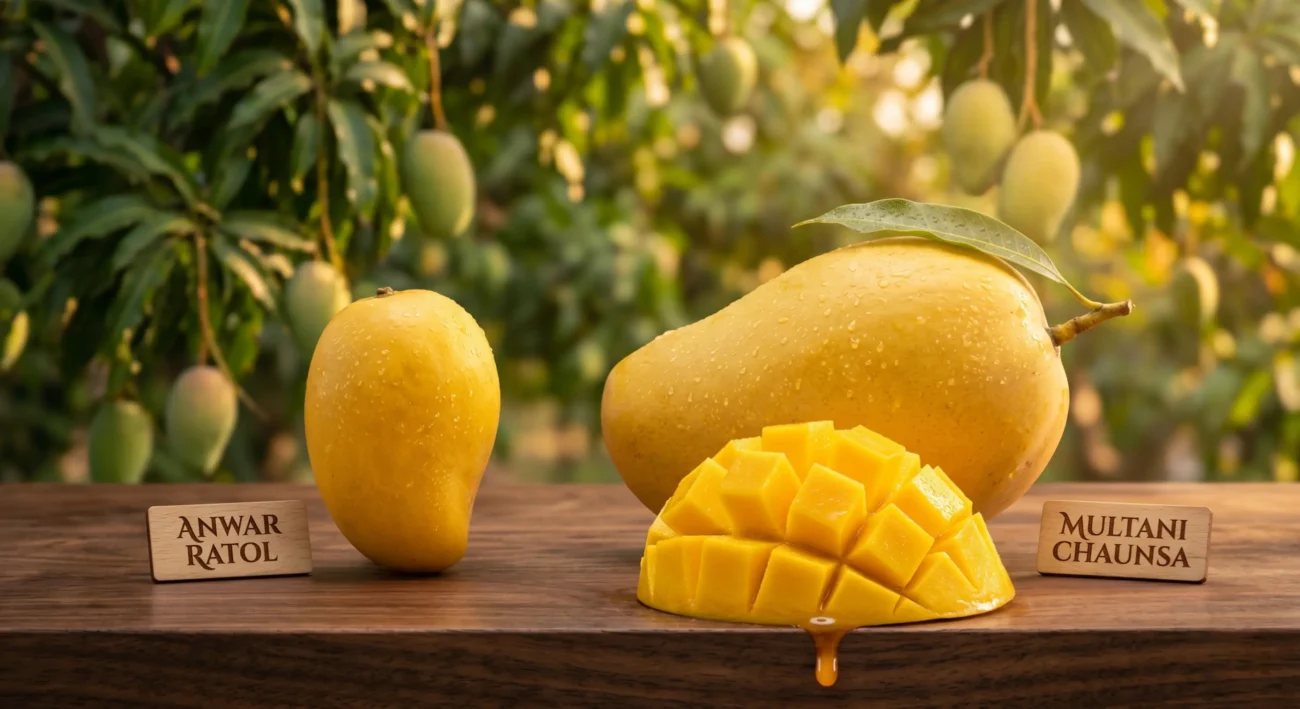
Why Anwar Ratol Costs More Than Chaunsa: The Honest Breakdown
Every mango season, the same argument erupts in Pakistani kitchens. Your mother swears by Chaunsa. Your father insists Anwar Ratol is worth every rupee. And you're standing in the F-10 market wondering why one mango costs double the other—they both taste sweet, they both stain your shirt orange, so what's actually different?
Here's the thing: they're not the same at all. Understanding why anwar ratol vs chaunsa matters isn't just mango snobbery—it's about knowing what you're paying for.
The Price Difference: It's Not Random
Anwar Ratol costs 40-60% more than Chaunsa during season. That's a real jump when you're buying weekly. But this price gap isn't just vendor markup or seasonal greed. The anwar ratol vs chaunsa price difference exists because these are fundamentally different fruits with different growing realities, ripening windows, and honestly, different outcomes when you bite into them.
Anwar Ratol has a brutally short harvest season: three, maybe four weeks in late July and August. That's the entire window. Miss it, and you wait twelve months. Chaunsa goes from June straight through September. More orchards grow it. Longer supply. Basic economics—scarcity drives price up.
But scarcity alone doesn't explain the premium. The real story is consistency and quality control.
Taste: Where You Actually Feel The Difference
Both mangoes are sweet. Both smell incredible when ripe. But they taste completely different.
Chaunsa is reliable comfort. Creamy, mild, consistently sweet, nothing shocking. It's balanced flavor—mellow and recognizable, the taste your grandmother taught you to expect from a proper Pakistani mango. You eat it and get exactly what you predicted.
Anwar Ratol is the overachiever. When it's good—and this matters—it's exceptional. The flavor is complex: honeyed with floral notes, hints of spice you can't name, an aftertaste that lingers. The flesh is softer, almost velvety. It makes you pause and actually pay attention.
Here's the catch: Anwar Ratol's quality is unforgiving. Pick it too early and it's sour and harsh. Wait too long and it cracks or ferments. There's a narrow band where Anwar Ratol is perfect. Chaunsa is forgiving—almost any Chaunsa at the market is acceptable. Not all Anwar Ratol mangoes meet that standard. Quality control matters more with Anwar Ratol, which is another reason for the price premium.
Texture and Fiber: The Overlooked Difference
You've bought a mango that tasted good but felt grainy, like eating wood pulp? That's the texture problem, and it separates these two fruits significantly.
Chaunsa has more fiber running through it. You notice it—especially comparing them directly. The flesh is denser, firmer, less buttery. Some people prefer this, especially if you like chewing instead of sucking the mango off the pit.
Anwar Ratol is almost seedless with far fewer fibers. When you eat it, you're getting mostly pulp that dissolves on your tongue. This is why it feels premium. This is also why the harvest window is so narrow: those soft fibers break down quickly. When comparing anwar ratol vs chaunsa from a texture standpoint, the experience is notably different. You're not just getting different flavors—you're getting a different eating experience entirely.
Nutrition: They're Nearly Identical
Here's where I keep it real: nutritionally, these mangoes are almost the same. Both packed with vitamin C, fiber, antioxidants. Both have nearly identical calorie counts per 100 grams. Both are seasonal powerhouses for hydration and immune support.
Don't believe anyone who claims Anwar Ratol is "healthier." It's not. They're both excellent. The difference is experience, not nutrition.
Storage and Shelf Life
Most mango articles skip this, but it's crucial for actual value. Chaunsa stores better. Lasts longer in your fruit bowl. You can buy it a few days before eating—no stress. Anwar Ratol demands immediacy. Buy it one or two days before eating. Any longer and you risk waste or disappointment. This affects real-world value: if you buy weekly for family, Anwar Ratol requires coordination.
Which One Should You Actually Buy?
Buy Chaunsa for reliability, longer shelf life, and consistent flavor. It's the everyday mango—the one for family meals, for sharing, for households that want good fruit without drama.
Buy Anwar Ratol for appreciation of nuance, and you'll eat it immediately. It's the special-occasion mango—the one for sitting down and really tasting something different, for creating a memory.
My honest take: have both. Summer is long enough for both seasons. Chaunsa carries you through June and early July. When Anwar Ratol season hits late July, switch over. You'll appreciate the change and stop arguing with your mother about which is "better."
One Insider Tip
When you're comparing anwar ratol vs chaunsa at the market, squeeze gently. Anwar Ratol should yield slightly to pressure—not hard, not mushy, but giving. If it's rock-hard, it's not ready. If it's soft, you've missed the window. Chaunsa can be slightly firmer and still be perfect. This single test saves you from buying disappointing fruit.
The Bottom Line
The price difference between anwar ratol vs chaunsa is real and justified. You're not just paying for scarcity—you're paying for a superior eating experience, shorter shelf life, and a narrower harvest window that requires careful cultivation.
You can order quality mangoes from reliable vendors through FreshBox if fighting the Sunday Bazaar crowds isn't appealing. Either way, the point is the same: eat good fruit, enjoy summer, understand what you're paying for.
Real value isn't about cheap. It's about knowing why something costs what it costs.
Frequently Asked Questions
What is the main difference between Anwar Ratol and Chaunsa mangoes?
Why does Anwar Ratol cost more than Chaunsa?
Is Anwar Ratol healthier than Chaunsa?
Which mango should I buy, Anwar Ratol or Chaunsa?
How can I tell if an Anwar Ratol is ripe?
Ready to start eating healthy?
Browse our selection of fresh produce and groceries, delivered to your doorstep in minutes.
Start Shopping
Written by
Faisal ShehzadFaisal Shehzad writes practical, locally-grounded guides on groceries, seasonal produce, nutrition and home cooking for households across Islamabad and Rawalpindi.
View all articles →