
Rupee Devaluation Pakistan: Smart Grocery Shopping Tips

Rupee Devaluation Pakistan: Smart Grocery Shopping Tips
You don't need an economics degree to see it coming. Walk into any jewelry store and check the gold prices. They've jumped almost every week. That's not coincidence—that's your first warning signal that rupee devaluation Pakistan is already reshaping your grocery costs, and your monthly food budget is about to feel the hit.
Here's the thing: when the rupee loses value against the dollar, imported goods get expensive immediately. But it doesn't stop there. Local farmers, suppliers, and wholesalers all recalculate their costs and pass the increase forward. Gold prices are just the visible proof—the economic warning light sitting right there in the jewelry store window telling you everything's about to get pricier.
And honestly, you need to start shopping differently right now.
What Rupee Devaluation Pakistan Actually Means at Your Table
Skip the textbook explanation. When rupee devaluation Pakistan hits, your money buys less—less wheat, less oil, less spices, less of basically everything. Every imported ingredient suddenly costs more. Cooking oil, certain spices, dairy products sourced from abroad. The price jumps hit immediately and they're impossible to ignore.
But here's what most people miss. Even completely local products climb in price. Why? Because farmers use imported fertilizers and seeds. When their input costs jump, they adjust selling prices accordingly. The entire supply chain shifts upward.
Gold prices sit right there as real-time proof. When gold prices spike—which they absolutely have been—it's direct evidence of rupee weakness hitting the economy. It's like watching a live economic indicator broadcast from every jewelry store window in Blue Area, screaming that everything's about to get expensive. And it's right.
Which Groceries Get Hit Hardest?
Cooking oils: Both imported varieties and locally-blended oils feel the pressure immediately. When the rupee weakens, raw materials cost more, and producers adjust prices within days, not weeks.
Spices: This is where rupee devaluation Pakistan really stings your kitchen budget. Cardamom, saffron, pepper, star anise—many are imported or priced against international rates. Your biryani masala costs more not because the recipe changed, but because the supply chain suddenly got expensive. That hurts.
Dairy products: Milk powders, cheeses, butter alternatives often contain imported components in their formulation. Fresh milk is stable, but packaged goods? Watch them climb within days.
Wheat and flour: Mostly local, so the hit is slower—but it's coming. When farmers pay more for fertilizer imports, they demand better prices. Millers pass it on. You pay more. It's a lag effect, not an escape.
Imported fruits and off-season vegetables spike hard. Apples from Hunza, pomegranates in summer, certain vegetables when domestic supply is tight—all vulnerable when the rupee weakens.
Should You Panic-Buy, or Shop Strategically?
Don't stockpile everything. You'll end up with expired spices and rancid oils. That's waste, not wisdom.
Be strategic instead. Focus on non-perishables with long shelf life. Buy cooking oil now—it keeps for months in a cool place. Purchase whole spices instead of ground versions; they last longer and taste fresher. Dried lentils, chickpeas, beans are cheap, stable, and last forever. This is your pantry insurance against rupee devaluation Pakistan.
For flour? Buy what you'll use in two to three weeks. It's local and relatively stable. Bulk-buying only makes sense if you have proper storage, and honestly, most of us don't in Islamabad's heat and humidity.
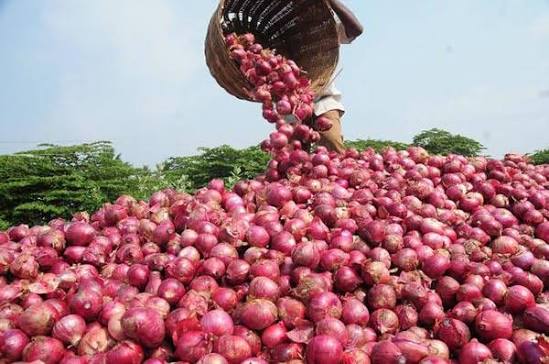
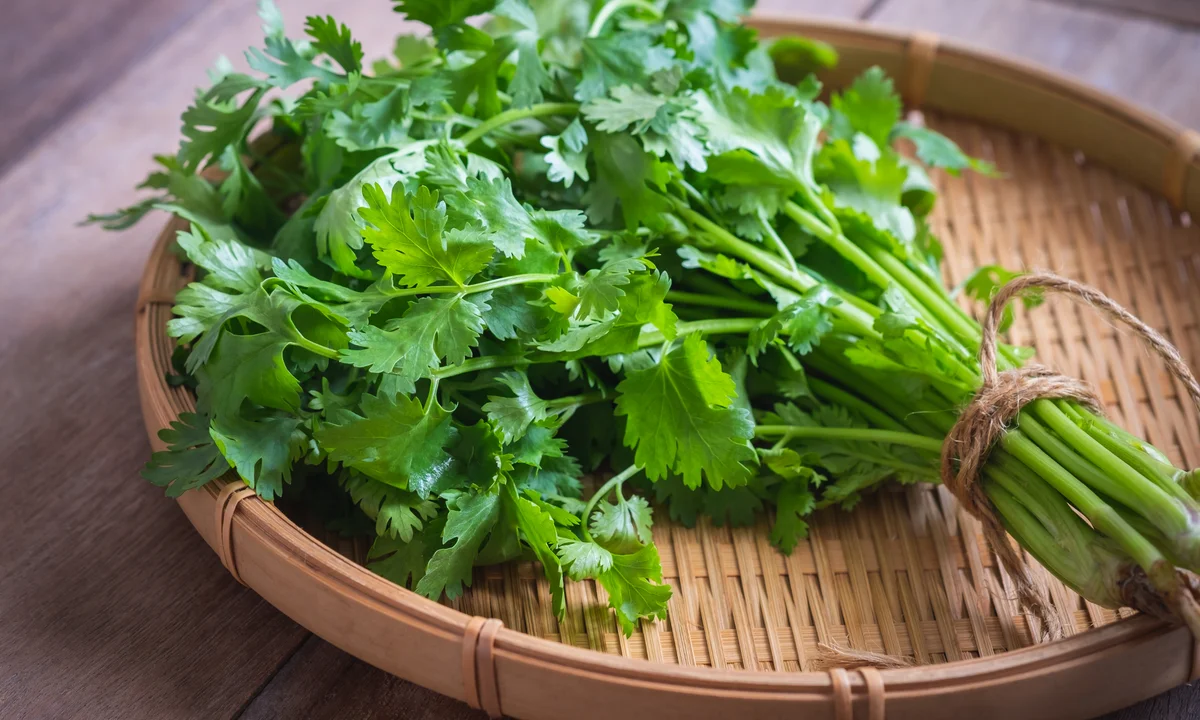
Fresh produce is where your strategy actually matters. Instead of grabbing whatever looks good, think seasonal. Tomatoes and cucumbers are cheap and abundant right now—build your meals around them. Onions never spike. Leafy greens from the Sunday Bazaar near Rawalpindi are cheaper and fresher than packaged options. This is how you stretch your budget during economic volatility.
An Insider Secret About Smart Shopping
Build actual relationships with your local vegetable vendors and fruit sellers. Sounds old-school, but it genuinely works. Regular customers get early warnings about upcoming increases. They get held-back stock. When prices shift unexpectedly, these relationships become your early warning system and your advantage.
Also—check expiry dates carefully right now. As prices jump and suppliers rush to clear old inventory before repricing, you'll spot products with longer expiry dates on shelves. Stock those. You're essentially catching the old price if you hunt carefully enough.
Your Weekly Budget Gets Tighter—But You Can Adapt
A family spending 15,000 rupees per week might need 16,500–17,000 within the next two months. That's roughly 10% more. It's real, and it adds up fast.
Here's what you actually control:
- Cook more at home. Restaurants adjust prices faster than home kitchens do.
- Reduce beef and mutton consumption. Shift protein to chicken, eggs, or lentils instead. Meat prices spike hardest during currency crises.
- Buy dried goods in bulk. They're cheap, stable, and last forever.
- Make spice mixes at home instead of buying pre-made packets. Costs roughly half as much.
- Prioritize seasonal produce. What grows locally, right now, costs the least.
The Bigger Picture
Rupee devaluation Pakistan isn't temporary. It's the economic reality we're operating within. But you're not helpless. Smart shopping—knowing what to stock, what to buy fresh, what to make from scratch—is how you protect your family's budget during these phases.
Gold prices won't drop next week. The rupee won't suddenly strengthen. But your shopping strategy can adapt faster than macro trends, and that's where your power actually lies.
Start today. Audit your pantry. Plan three weeks of meals around what's in season. Build that relationship with your vegetable vendor. These small moves compound into real savings over time.
Need fresh produce delivered without battling traffic near F-10 market? You can order these items on FreshBox and spend the time you save planning meals instead.
Ready to start eating healthy?
Browse our selection of fresh produce and groceries, delivered to your doorstep in minutes.
Start Shopping