

EV vs Petrol Car: What Your Grocery Trips Really Need
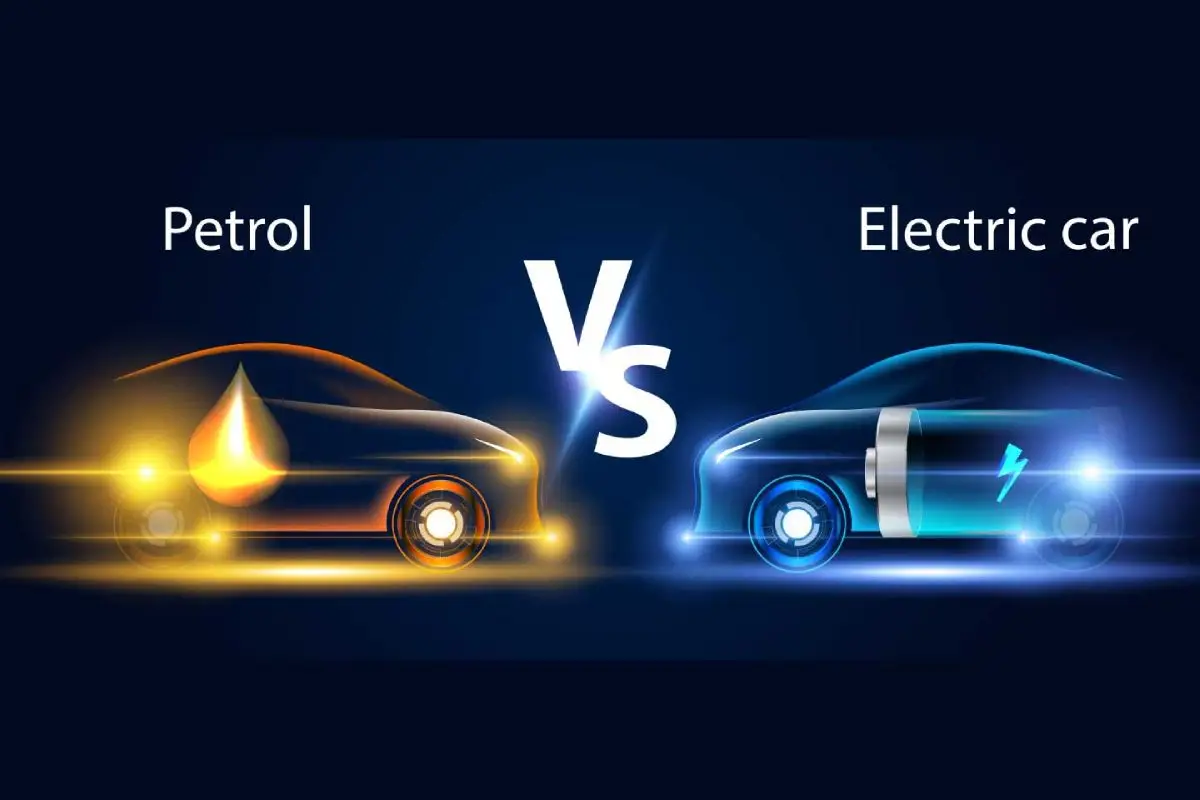
You're standing at a dealership in Islamabad, looking at a sleek electric vehicle. The fuel costs are attractive. The environmental angle resonates. It feels modern, smart, maybe even a little bit status-conscious in the way that things are in Islamabad right now. So you're thinking about actually doing this.
But before you sign the papers, here's something nobody tells you: making the EV vs petrol car decision isn't just about switching fuel sources. It fundamentally changes how you shop for groceries, how you plan your week, and how you move through Islamabad.
I'm serious.
The Charging Infrastructure Reality
Let's start with the actual infrastructure situation, because this is where everything starts.
Islamabad has charging stations, but they're not evenly distributed across the city like petrol pumps. Most are clustered near major malls and specific commercial zones. This means nearly every EV owner installs a home charger — and once that charger is installed, your whole driving mentality shifts.
A full charge typically gives you 250-300 kilometers of range, depending on your car model, driving conditions, and whether you're stuck in rush hour traffic near F-10 market. Here's the thing about Islamabad summer traffic: it's brutal. Real-world range often drops 10-20% below theoretical projections because of congestion, heat, and the way the roads are structured.
So that casual 60-kilometer round trip to the vegetable market? It's not casual anymore. You're checking your battery percentage before you leave. You're mentally calculating whether the trip will use 30 kilometers or 50, depending on which routes you take and how the traffic looks. You're looking at your charging station map and figuring out whether you've got margin for error.
This is the first way an EV purchase changes your grocery shopping: you stop moving spontaneously.
The Consolidation Effect
The second shift is bigger than it sounds. Because you can't just run out of your house whenever you realize you're out of fresh yogurt or forgot to buy cilantro, you start planning your groceries like you're provisioning for a whole week instead of buying what looks good today.
This sounds like a limitation, but it's actually not one.
You're doing real meal planning now. You're checking your pantry before you leave the house. You're buying vegetables in quantities you'll actually cook through before they go soft. You're shopping once per week instead of three or four times. And because you're making one solid shopping trip instead of multiple quick runs, you can actually visit different vendors — the fruit stand that has good pomegranates, the vegetable seller with reliable produce quality, maybe the dairy shop for yogurt — instead of rushing through one stop and heading home.
Here's what happens: making the EV vs petrol car decision pushes you toward intentional, planned grocery shopping.
Your produce stays fresher because you're not buying too much. Your household food waste actually decreases. You're spending less money because impulse buying happens fewer times per week. Your family starts eating better because you're actually planning meals instead of reacting to what's available. It's one of those changes that sounds inconvenient until you live with it for two weeks and realize you'll never go back.
Islamabad-Specific Complications
Now let's talk about the Islamabad-specific parts that actually matter.
First: power stability. Between May and September, load-shedding is real and unpredictable. Certain neighborhoods get scheduled evening outages — which is exactly when most people want to charge their cars at home. Some EV owners have adapted by charging during daytime hours or finding times when their neighborhood has power. Some have invested in battery backup systems. Some have negotiated off-peak charging rates with their electricity providers.
This is part of the calculation that people figure out after they've already bought the EV and moved in, not before.
Second: logistics change for different parts of the city. If you shop at Centaur Market regularly, you're now checking where charging stations are on that route. If you ever do wholesale shopping in Rawalpindi or Adiala, you're calculating whether the round trip is feasible on a single charge. You're making different trade-off decisions about bulk buying versus convenience. The G.T. Road works fine for petrol cars; for EV owners, it becomes a strategic consideration.
Making the EV vs petrol car decision means accepting that your routes through the city, and where you can shop comfortably, have changed.
The Delivery Service Angle
Here's something that surprised me: EV owners in Islamabad are using grocery delivery services more frequently than petrol car owners, and it makes sense once you think about it.
One consolidated delivery per week genuinely beats three separate shopping trips — in terms of time, battery conservation, and stress. Delivery stops being a luxury and becomes a logical extension of how you're already consolidating your life. You're saving battery miles, saving time, saving the friction of making multiple shopping runs.
Some people order their staples and weekly basics via delivery and make one strategic trip to the market for fresh produce they want to hand-select. Others consolidate fully online. The patterns vary, but the trend is consistent: EV owners are using delivery as part of their ecosystem.
The Bigger Picture
When you're actually considering the EV vs petrol car decision, you're not just choosing between fuel types or weighing cost-benefit analyses. You're choosing a different rhythm for how you move through Islamabad, how you plan your week, and how you buy your groceries.
Some people find this rhythm liberating — the structure, the planning, the fact that they're making fewer trips. Others find it constraining — the loss of spontaneity, the need to plan ahead, the battery anxiety. Most people find that it becomes normal after a few months and wonder how they lived any other way.
The environmental benefits are real but somewhat abstract. The lifestyle benefits are immediate and practical: fewer trips, better meal planning, less traffic anxiety, less gas station visits, and genuinely less stress about logistics.
Making Your Decision
Before you finalize an EV purchase, do your homework. Talk to actual EV owners in Islamabad — how do they handle grocery shopping? Where are the charging stations near your home and the markets you use most? Do the math on your typical week's driving.
If you do go electric and want to minimize shopping trips, consolidated grocery delivery can be your friend. You can order through FreshBox and consolidate your shopping around your charging schedule — one less logistical variable to manage.
The EV decision is ultimately a lifestyle decision, not just a vehicle decision.
Ready to start eating healthy?
Browse our selection of fresh produce and groceries, delivered to your doorstep in minutes.
Start Shopping
Written by
Faisal ShehzadFaisal Shehzad writes practical, locally-grounded guides on groceries, seasonal produce, nutrition and home cooking for households across Islamabad and Rawalpindi.
View all articles →