
How to Choose Lychee: Stop Wasting Money on Bad Fruit
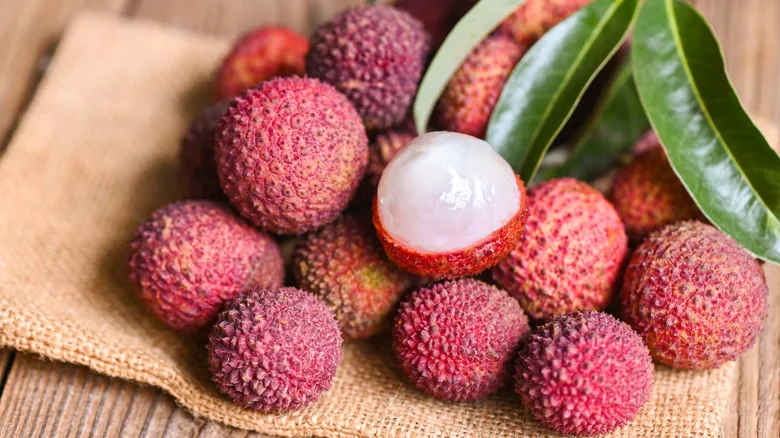
You're at the vegetable market near F-10 on a Saturday afternoon. The lychee vendor has mountains of red fruit piled high, and they all look identical to you. You pick one up, take it to the checkout, and three bites later you're staring at a dry, chalky mess wondering how you got robbed.
This happens to literally everyone. Lychees look deceptively simple — they're just small, red, bumpy fruit. But picking a good one is like picking a good melon. You need to know what to look for, and once you do, you'll never waste money on bad ones again.
The frustration is real. You paid decent money, you were looking forward to something sweet and juicy, and instead you got disappointment. But here's the good news: learning how to choose lychee is completely learnable. It's not magic. It's just knowing three things.
Look at the Color (It's More Nuanced Than You Think)
This is where most people mess up. They see "bright red" and think that's the goal. Wrong. A lychee's color tells you about ripeness and quality, but you have to read it right.
The best lychees are deep red — almost burgundy in places. Think of a ripe cherry or a deep wine color, not a fire truck red. That deep red means the fruit has been on the tree, developing sugars. The skin has thinned properly too, which means what's inside won't be tough or chalky.
Avoid ones that are pale red or pinkish. Those are either underripe or picked too early and won't have developed flavor. And if you see ones that are brown or patchy black, walk away unless you know they're absolutely fresh — that's sometimes natural oxidation from sitting, sometimes actual damage.
Here's an insider move: look for lychees that have some unevenness to the color, where they're not uniformly perfect. That usually means they've been handled less carefully in transit, which sounds bad but often means they're riper. The vendors who baby-check every single fruit? They usually pick them early anyway.
Feel the Skin (This Is the Real Test)
Here's the thing: the skin texture tells you almost everything. Once you know what to feel for, you won't need to rely on anything else. This is honestly the most reliable way to know how to choose lychee — trust your hands more than your eyes.
A good lychee skin should feel bumpy but delicate. Like alligator skin, but thin and slightly fragile. When you squeeze it gently — and I mean gently, not aggressively — the skin should give just a tiny bit. Not mushy. Just yielding. Responsive.
If the skin feels thick and hard, the lychee is underripe or has been sitting too long. The fruit inside will be watery, difficult to peel, and disappointing. If it feels soft or mushy, it's overripe or starting to ferment. You'll know when you bite into it that something's wrong.
The best sign? When you peel the skin, it should come off almost in one piece, and the skin itself should have a slight moisture to it. Dry, crumbly skin means dry, disappointing fruit inside. You want to peel and eat, not wrestle with your fruit.
Smell Matters More Than You'd Think
And here's something most people completely skip: smell the lychee. I know it sounds strange, but smell is everything with fruit.
A fresh, good lychee smells sweet and floral — almost like perfume, but subtle and not overpowering. You shouldn't have to shove it in your nose. If you can't smell anything, it's probably underripe. If it smells overly sweet or fermented (like old wine or vinegar), it's past its prime.
Your nose knows when something's wrong with fruit before your mouth does. Trust that instinct. If the smell is off, put it back. There's another lychee waiting.
Timing Matters (Respect the Season)
Lychees have a season, and when you buy them matters a lot. In Pakistan, the main season runs May to August, with June being absolutely peak. If you're buying lychees in November or December, they've either been in cold storage for months or imported from somewhere else, and they won't be as good as fresh, in-season fruit.
During peak season (June-July), you can be pickier. Fresh fruit is everywhere. Sugar content is higher. Flavor is intense. If one batch looks mediocre, there's another vendor two stalls down with something better. The Sunday Bazaar during peak season has more good lychees than you could ever eat.
Off-season lychees? Lower your expectations significantly. You might get them, but they won't be as juicy or sweet. This is when you're better off buying other seasonal fruit instead. Don't force it.
Storage — Because Half the Battle Is Keeping Them Good
You've chosen well, and now you've got a small window before they go bad. Lychees don't last long, and they get mealy fast if you're not careful.
Keep them in the coldest part of your fridge, ideally in a plastic bag or sealed container. They'll last about five to seven days if they were fresh to start with. If you bought them slightly underripe (which sometimes makes sense if you're not eating them immediately), they'll age better in the fridge than on the counter.
Don't wash them until you're ready to eat. Moisture speeds up rot and fermentation. And if you notice any getting soft, eat those first. Don't let one bad one spoil the whole batch.
If you've got too many and they're starting to go, freeze them. They won't be good for fresh eating, but they work in smoothies or desserts. Honestly, I've never had the willpower to let them sit that long anyway.
The Actually Useful Tips Nobody Talks About
Here's what I actually do: I buy from vendors I trust, usually people who've been at the same market spot for years and have a reputation to maintain. They're more careful about what they source. I ask when they got the batch. If it's been more than two days, I either negotiate a lower price or go somewhere else.
Also, pro tip — buy in the morning if you can manage it. The first batches are freshest, and you have the best selection. By afternoon, people have picked through everything, and what's left are the picked-overs and the ones nobody wanted.
And here's something nobody talks about: don't buy the ones in plastic cling wrap at fancy supermarkets if you can avoid it. The ones from the market vendor, even if they look messier, are usually fresher and cheaper. The wrapped ones have been sitting longer and feel premium for no reason.
Why This Skill Actually Matters
Learning how to choose lychee isn't just about not wasting money. It's about not wasting an opportunity to eat something genuinely delicious. Lychees are only here for a few months. If you're buying them, you should actually enjoy them. Bad lychees are worse than no lychees — they ruin the whole thing, and they leave you frustrated and poorer.
Once you figure out what makes a good lychee, you'll notice you're eating better fruit across the board. This skill translates to apples, mangoes, peaches, everything. You start trusting your instincts instead of assuming all fruit from a vendor is the same. You become the person at the market who knows what they're doing, who doesn't get ripped off, who actually enjoys what they buy.
And if you want to skip the market chaos entirely during peak season, you can order fresh lychees directly from FreshBox.
Frequently Asked Questions
What colour should a good lychee be?
How do you tell if a lychee is ripe by feel?
When is lychee season in Pakistan?
How long do lychees last and how should I store them?
Ready to start eating healthy?
Browse our selection of fresh produce and groceries, delivered to your doorstep in minutes.
Start Shopping
Written by
Faisal ShehzadFaisal Shehzad writes practical, locally-grounded guides on groceries, seasonal produce, nutrition and home cooking for households across Islamabad and Rawalpindi.
View all articles →