
July Month Starting Grocery: Pre-Stock These 5 Items
July's Coming. Your Grocery Bill Doesn't Have to Jump With It
July's coming, and if you've lived in Islamabad long enough, you know what that means — prices jump. Not by a little. By enough that you notice at the checkout. The power cuts get worse, the traffic near F-10 market becomes absolute chaos, and grocers start bumping up their rates before the real summer rush hits.
Here's the thing: you can be smart about it. Spend a bit now on five core pantry staples, and you'll save thousands before the month even starts. We're talking 2,000 rupees minimum. Probably more if you're buying for a family of four or five. This is actual math, not marketing hype.
Why July Month Starting Grocery Prices Always Climb
Look, July's when everything happens in Pakistan. The tail end of monsoon season means supply chain issues. Eid falls around then some years, depending on the lunar calendar. And summer fully kicks in — more demand, less product moving through the markets as efficiently. Grocers know this. They stock up early, push prices up, and suddenly that 300-rupee oil is 380. Flour jumps by 100 rupees overnight. Spices get marked up because they can, and nobody's really checking at that point.
You've probably noticed it before if you've shopped during Eid season or right before Ramadan. Same exact pattern every single year. When july month starting grocery season hits, everyone's scrambling and prices climb.
The smart move? Get ahead of it. Buy now, save later.
The 5 Pantry Items to Buy Right Now
1. Flour (10 kg bag)
Flour is the easiest math. A 10-kilogram bag costs around 650 rupees in June. By mid-July, it's 750 or higher. If your family goes through two bags a month — which most households do — that's 200 rupees saved right there just on flour.
Real talk: don't cheap out on quality here. Buy the slightly better stone-ground flour if your budget allows. It keeps better in humid weather — Islamabad gets properly muggy in July — and honestly, the difference in your roti or naan is noticeable. Store it in an airtight container away from direct sunlight. Your flour will stay fresh for two months easy, and you've essentially locked in June prices for July eating.
2. Rice (basmati or standard white)
Rice is next. Prices have been relatively stable, but July always brings a 15-20% bump. Even a 20-rupee increase per kilogram adds up fast when you're buying 5-10 kilograms for a family.
Get your rice now. Whether it's basmati for special meals or regular white rice for everyday cooking, buy now before july month starting grocery chaos hits. A proper rice keeps better than flour anyway — stick it in a dry, cool place and it'll last for months. Rice hates humidity though, so make sure your storage isn't near the kitchen window or anywhere damp.
3. Pure Ghee (1-2 kg)
Pure ghee is where you'll see the biggest price jump. It always does in July. And here's the thing — you can't just substitute it. Vegetable ghee is fine for cooking most things, but pure ghee? That's for your biryani, your special halwa, your proper dishes that actually matter. You can taste the difference immediately.
Buy two 500-gram containers now. Use one through July, store one sealed in a cool place for August. You're not just saving money, you're locking in quality. And having ghee on hand honestly means you'll cook better meals. It changes what you make because ghee makes everything taste like it should taste.
4. Spices (turmeric, chili powder, cumin, coriander)
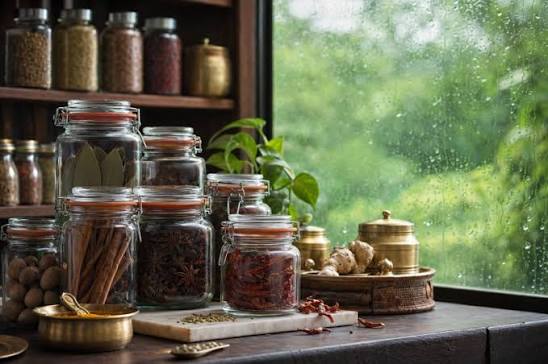
Turmeric. Red chili powder. Cumin. Coriander. Bulk spices from Rawalpindi markets are always cheaper than pre-packaged supermarket versions, but that's only true if you're buying at the right time. Come July, even the market vendors bump up their rates by 20-25%. Supermarket pre-packaged spices go up even more — expect a 30% hike.
Grab a pound each of the basics now. Store them in glass jars, not plastic. Glass keeps spices fresher longer and won't absorb kitchen smells. One batch of spices lasts you three or four months minimum if you're storing them right. You're basically set for the whole summer.
5. Lentils and Dried Beans
Red lentils, yellow lentils, chickpeas, kidney beans. These are the actual backbone of Pakistani home cooking. You use them for quick lunches, emergency dinners, side dishes. Prices creep up in July just like everything else.
Stock up on 2-3 kilograms of your preferred varieties now. Dried legumes are patient. They'll sit in your pantry happily for six months, no problem. And having them on hand means cheap, quick meals when you're exhausted by mid-summer. There's power in having good basics ready.
When and Where to Shop for the Best Prices
Do this shopping NOW. Not next week. Not when you "have time." Now.
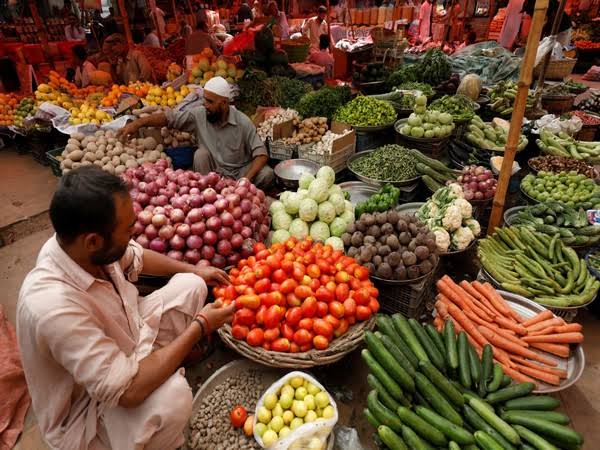
The moment you finish reading this, make a list. Go to your local vegetable market or a proper grocer — not the supermarket where prices are already marked up in anticipation. Better yet, go early morning. Early morning shopping in any market — the Sunday Bazaar, the regular vegetable mandis scattered across Islamabad and Rawalpindi — always gets you better rates before the day's rush and heat kicks in.
Everything needs proper storage: airtight containers for flour and rice, cool dry places away from sunlight, glass jars for spices. Your pantry will thank you in two weeks when prices have jumped 25-30% and you're sitting comfortable with most staples already bought at reasonable rates.
What If You're Short on Time?
I get it. Shopping in the markets takes time. The power cuts mean it's hotter. You've got work, family stuff, all of it. Not everyone has a morning free to navigate vegetable markets or negotiate with vendors.
If you're serious about prepping before july month starting grocery season hits but short on time, online ordering works. You can order these basics through FreshBox and get them delivered to Islamabad and Rawalpindi while you focus on other stuff. It's not the full market experience, but it's smart if your schedule doesn't allow.
That said, if you have even one morning this week, the market shopping experience is genuinely valuable. You get to pick your rice, smell your spices, chat with vendors about what's actually fresh that day. There's something old-school market shopping does that online ordering can't replicate.
The Bottom Line
This isn't paranoia or hoarding. It's being smart. You're going to buy these things anyway. Buying them now at reasonable prices instead of later at inflated ones just makes sense. That 2,000 rupees saved? That's groceries for another week. Or better quality ingredients for cooking. Or money for something else entirely.
July's coming. Every year it does. Be ready this time.
Frequently Asked Questions
Which grocery items should I stock up on before July?
Why do grocery prices rise in July in Pakistan?
How much can I save by pre-stocking groceries before July?
How should I store pre-stocked groceries for summer?
Ready to start eating healthy?
Browse our selection of fresh produce and groceries, delivered to your doorstep in minutes.
Start Shopping
Written by
Faisal ShehzadFaisal Shehzad writes practical, locally-grounded guides on groceries, seasonal produce, nutrition and home cooking for households across Islamabad and Rawalpindi.
View all articles →